
Thomas Jefferson mac and cheese is more than just a comfort food story it’s a fascinating piece of early American culinary history. Long before boxed pasta dinners lined supermarket shelves, the third President of the United States helped introduce a baked macaroni and cheese dish to American tables. The connection between Thomas Jefferson and this beloved recipe is rooted in his travels to Europe, his passion for food innovation, and his influence on American dining culture.
Thomas Jefferson mac and cheese represents a turning point in how Americans experienced pasta. During his diplomatic years in France and exposure to Italian cuisine, Jefferson encountered refined pasta dishes that were largely unknown in the United States at the time. Instead of simply enjoying them abroad, he documented, sketched, and later recreated these recipes at his Virginia estate, Monticello. What began as a European inspired baked pasta dish evolved into one of the most iconic comfort foods in American kitchens today.
Understanding this dish means exploring early American foodways, colonial cooking techniques, imported ingredients, and how Jefferson’s culinary curiosity helped shape American cuisine. In this article, you’ll discover the true history behind Thomas Jefferson mac and cheese, how to recreate an authentic colonial style version at home, and how modern adaptations have transformed it into the creamy favorite we know today.
Curious how to combine creamy cheesecake and sweet cookie dough into one unforgettable treat? Click below to discover the dessert that might become your new favorite Cheesecake Cookie Dough Tacos Your New Favorite Dessert
The Historical Connection Between Thomas Jefferson and Macaroni
The story of Thomas Jefferson mac and cheese begins in Europe during Jefferson’s service as the American Minister to France from 1784 to 1789. While living in Paris, Jefferson developed a deep appreciation for European cuisine, especially dishes from Italy and France. At the time, pasta was not commonly consumed in the United States. Wheat varieties, milling techniques, and culinary traditions in early America were very different from those in southern Europe.
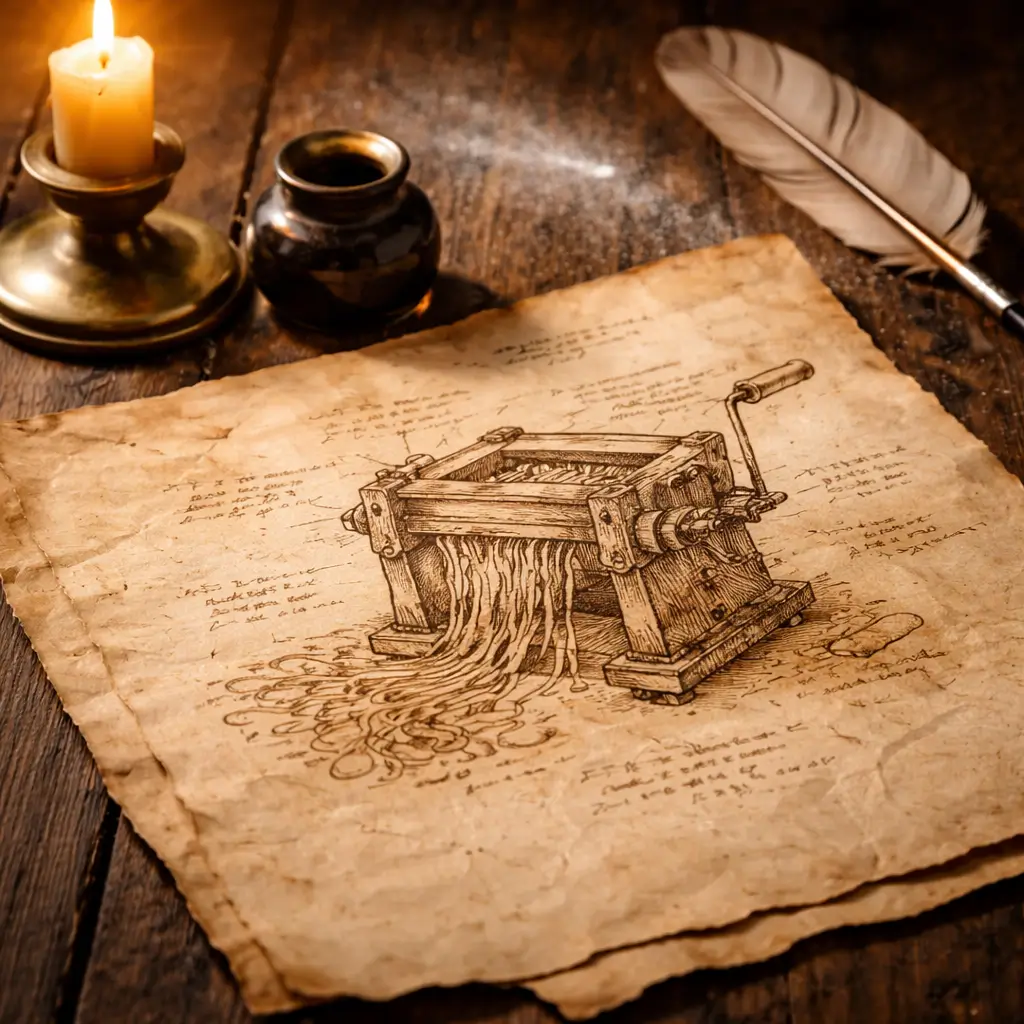
Jefferson encountered macaroni during his travels in northern Italy. He was so intrigued by the pasta making process that he reportedly sketched a pasta machine and sent detailed notes back home. He even arranged for a pasta maker to be shipped to America. This was not a casual interest. Jefferson believed that food was part of cultural refinement and national identity. Bringing macaroni to America aligned with his broader vision of agricultural and culinary advancement.
In 1802, Jefferson served a baked macaroni pie at a state dinner in Washington. Guests described it as a rich dish made with pasta and cheese, baked until golden. This event marked one of the earliest documented appearances of macaroni and cheese in American high society. Over time, Thomas Jefferson mac and cheese became part of American culinary tradition, blending European technique with local ingredients.
For more historical American recipes inspired by early traditions, you can explore curated dishes at lovrecipe.com, where classic comfort foods are reimagined for modern kitchens.
How Pasta Arrived in Early America
When discussing Thomas Jefferson mac and cheese, it is essential to understand how rare pasta was in colonial America. In the late eighteenth century, most Americans relied on cornmeal, rye, and locally milled wheat for bread and porridge. Dried pasta, especially durum wheat macaroni, was not widely produced or available in the United States.
Jefferson first encountered structured pasta culture while traveling beyond France into northern Italy. Italian cooks had already perfected dried semolina pasta, which could be stored for long periods and transported across regions. Jefferson saw both culinary and agricultural potential in this product. He imported cases of macaroni and even invested in bringing specialized equipment back to Virginia. His goal was not simply personal enjoyment but adaptation to American production.
At Monticello, Jefferson worked with enslaved chefs, including James Hemings, who had trained in French culinary techniques. Hemings played a key role in translating European recipes into dishes suitable for American ingredients and cooking methods. Together, they helped establish an early version of macaroni pie that blended Old World influence with New World practicality.
The following table highlights how pasta in Europe differed from early American grain products at the time:
| Feature | European Macaroni | Colonial American Grains |
|---|---|---|
| Primary Wheat | Durum semolina | Soft winter wheat |
| Texture | Firm and structured | Softer and bread focused |
| Preservation | Dried for long storage | Mostly freshly milled |
| Culinary Use | Pasta dishes, baked pies | Bread, porridge, biscuits |
This agricultural and culinary gap explains why Thomas Jefferson mac and cheese stood out as something novel and sophisticated when first served in America.
The Original Monticello Macaroni Pie Recipe
Thomas Jefferson mac and cheese as served at Monticello looked quite different from the creamy stovetop versions many Americans prepare today. Early records from Monticello describe a baked macaroni pie made by layering boiled macaroni with grated cheese and butter before placing it in a hot oven. Thomas Jefferson mac and cheese was structured, slightly firm, and closer to a savory casserole than a saucy dish.
Thomas Jefferson mac and cheese relied on simple ingredients that were available in the late eighteenth and early nineteenth centuries. Recipes from that era typically included macaroni, Parmesan or a similar hard cheese, butter, and sometimes cream. There was no processed cheese or roux based sauce. Instead, Thomas Jefferson mac and cheese achieved richness from generous layers of cheese and dairy baked directly into the pasta.
Thomas Jefferson mac and cheese was prepared in hearth ovens, which required careful temperature control using embers rather than modern thermostats. The dish was placed in a deep baking vessel and covered to prevent scorching, then uncovered near the end to allow the top to brown. Thomas Jefferson mac and cheese would have developed a lightly crisp surface while remaining tender inside.
Thomas Jefferson mac and cheese represented refinement and hospitality at Jefferson’s dinner table. Serving this dish to political guests demonstrated sophistication and global awareness. While modern recipes have evolved, Thomas Jefferson mac and cheese remains rooted in this simple yet elegant baked preparation that blended European technique with American ambition.
Ingredients Then and Now for Authentic Flavor
Thomas Jefferson mac and cheese began with ingredients that reflected late eighteenth century availability rather than modern supermarket abundance. At Monticello, Thomas Jefferson mac and cheese used imported or locally aged hard cheeses, often Parmesan or similar varieties, because softer American cheeses were less common and did not melt the same way.
Thomas Jefferson mac and cheese originally depended on hand cut or imported macaroni made from semolina wheat. Today, American grocery stores offer a wide range of pasta shapes, but traditional elbow macaroni most closely resembles what was served in early versions of Thomas Jefferson mac and cheese. Choosing a high quality durum wheat pasta helps recreate the firmer bite typical of the historical dish.
Thomas Jefferson mac and cheese in its colonial form included butter and occasionally heavy cream for richness. There was no flour based cheese sauce. Modern cooks often prepare a roux with butter and flour to create a creamy texture, but skipping that step produces a dish closer to authentic Thomas Jefferson mac and cheese. Instead, layering pasta with freshly grated cheese and dots of butter allows the oven to do the work.
Thomas Jefferson mac and cheese can be adapted using ingredients readily available in US grocery stores. Aged white cheddar, Parmigiano Reggiano, or even a blend of sharp cheddar and Gruyere can replicate the depth once achieved with imported cheeses. Selecting quality dairy and avoiding pre shredded cheese improves melt and texture when preparing Thomas Jefferson mac and cheese at home.
Step by Step Recipe for Thomas Jefferson Mac and Cheese
Thomas Jefferson mac and cheese can be recreated at home using traditional baking methods that mirror early American technique while remaining practical for modern kitchens. This historically inspired version focuses on layered flavor rather than heavy sauce, giving Thomas Jefferson mac and cheese its distinctive baked texture.
Thomas Jefferson mac and cheese begins with boiling 1 pound of elbow macaroni in well salted water until just tender. Drain the pasta but do not rinse it, since starch helps bind the layers in Thomas Jefferson mac and cheese during baking.
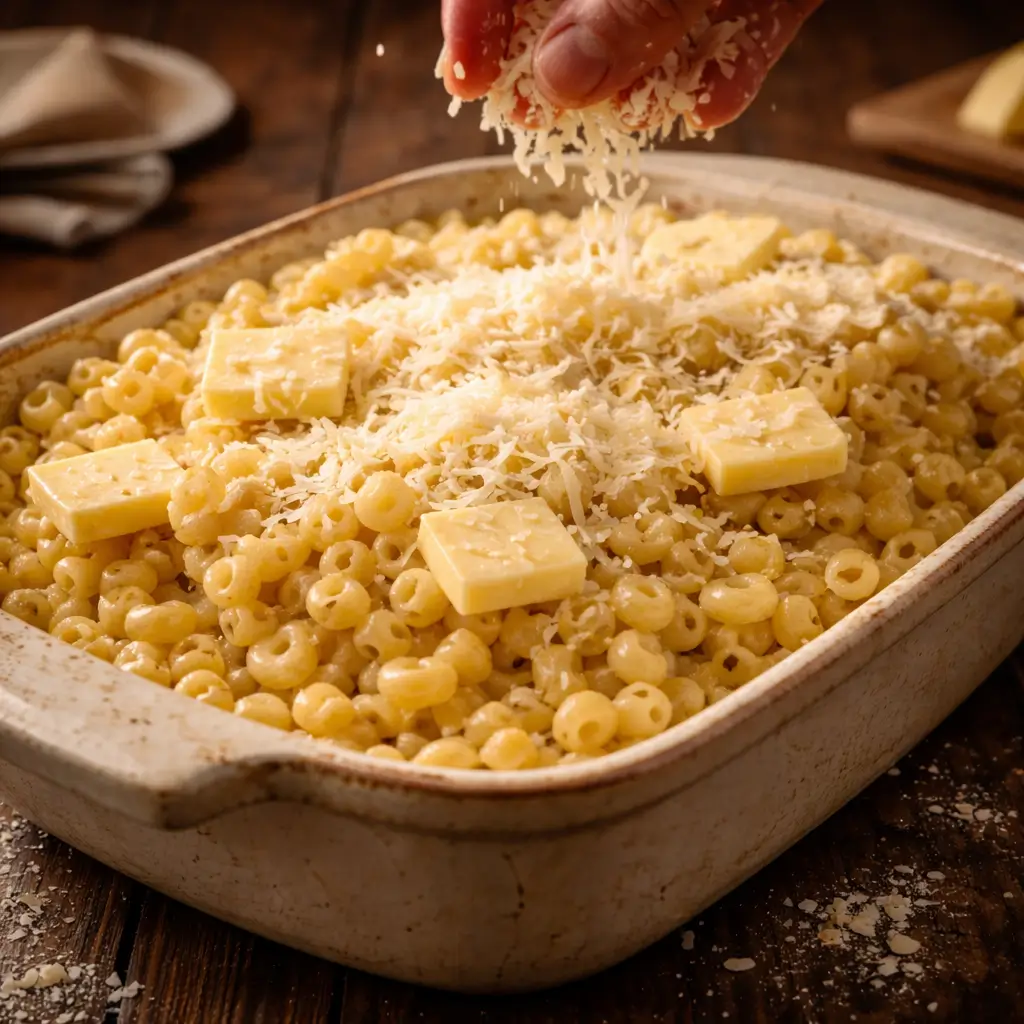
Thomas Jefferson mac and cheese is assembled by buttering a deep baking dish and adding a layer of cooked macaroni followed by a generous handful of freshly grated aged white cheddar and Parmigiano Reggiano. Repeat the layering process until all pasta and cheese are used, then dot the top with 4 tablespoons of sliced butter and pour 1 cup of warm heavy cream evenly over the dish.
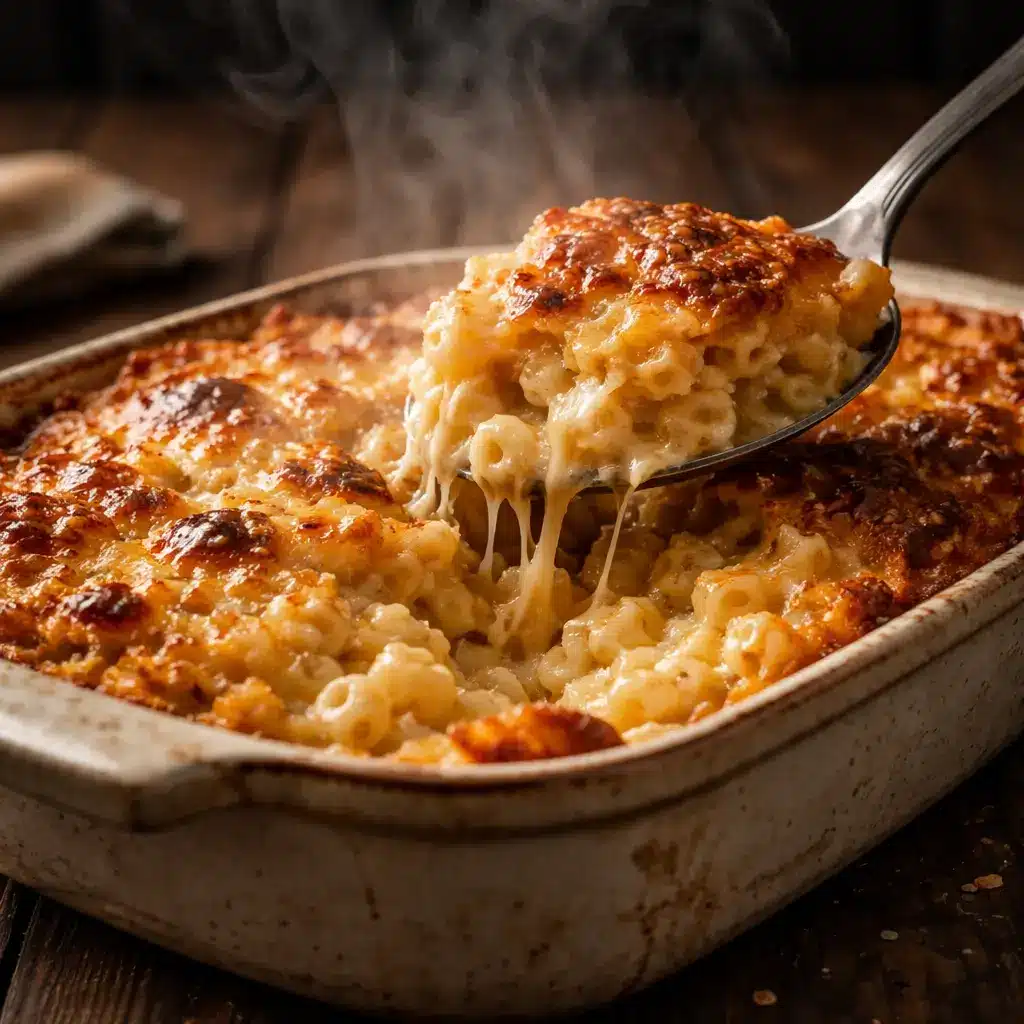
Thomas Jefferson mac and cheese should be baked at 375 degrees Fahrenheit for about 25 to 30 minutes until the top is golden and the edges bubble. Allow the dish to rest for 10 minutes before serving so the layers set properly. Thomas Jefferson mac and cheese develops a lightly crisp surface while maintaining a rich interior that reflects its colonial roots.
Baking Tips for Authentic Colonial Texture
Thomas Jefferson mac and cheese achieves its signature character through baking rather than stovetop melting. To replicate the colonial style, focus on texture control. Use a ceramic or cast iron baking dish, since heavier materials distribute heat more evenly and reduce the risk of over browning the edges. A deep dish allows the layers to steam slightly while still forming a golden top.
When preparing Thomas Jefferson mac and cheese, avoid overcooking the pasta before baking. Slightly undercooked macaroni will finish cooking in the oven as it absorbs cream and melted cheese. This technique prevents a mushy interior and keeps the structure closer to what would have been served at Monticello.
Another important factor in Thomas Jefferson mac and cheese is cheese preparation. Always grate cheese fresh from the block. Pre shredded cheese often contains anti caking agents that interfere with smooth melting. Layer evenly rather than mixing everything together. The layered method creates defined strata that resemble early macaroni pie presentations.
Resting time is equally important. After removing Thomas Jefferson mac and cheese from the oven, allow it to sit for at least 10 minutes. This cooling period helps the dish firm up, making it easier to slice and serve neatly. The result should be creamy but structured, with a balanced ratio of pasta to cheese and a lightly crisp surface.
How Thomas Jefferson Influenced American Cuisine
Thomas Jefferson mac and cheese reflects a broader transformation in early American food culture. Jefferson believed that cuisine was part of national identity, and his exposure to European agriculture and cooking techniques shaped how he approached dining at Monticello and in Washington. By introducing pasta dishes to elite gatherings, he elevated ingredients that were unfamiliar to many Americans at the time.
During Jefferson’s presidency, state dinners became opportunities to showcase refinement. Thomas Jefferson mac and cheese appeared among carefully curated menus that blended French techniques with American ingredients. This fusion style helped normalize dishes that had previously seemed foreign. Over time, pasta became more accessible as American milling improved and imports increased.
Jefferson also encouraged agricultural experimentation. He collected seeds, studied farming methods, and promoted crop diversity. While pasta production did not immediately flourish in early America, the cultural acceptance that followed dishes like Thomas Jefferson mac and cheese laid the groundwork for future growth in wheat processing and commercial pasta manufacturing.
The long term culinary impact can be summarized below:
| Influence Area | Jefferson’s Contribution | Long Term Effect in the US |
|---|---|---|
| Pasta Awareness | Introduced macaroni to elite diners | Gradual adoption in American kitchens |
| Culinary Prestige | Served European style dishes publicly | Elevated perception of global cuisine |
| Agricultural Curiosity | Studied wheat and food production | Encouraged diversification of crops |
| Menu Innovation | Blended French and American cooking | Inspired evolving American comfort foods |
Today, Thomas Jefferson mac and cheese symbolizes the moment when European pasta traditions began integrating into American food history.
Evolution Into the Modern American Comfort Classic
Thomas Jefferson mac and cheese began as a layered baked pasta dish, yet over the nineteenth and twentieth centuries it transformed into one of the most recognizable comfort foods in the United States. As industrial milling improved and commercial pasta production expanded, macaroni became affordable for middle class families. This accessibility helped shift Thomas Jefferson mac and cheese from an elite dinner table novelty to a household staple.
By the late 1800s, American cookbooks began including more detailed instructions for macaroni and cheese, often incorporating milk thickened with flour to create a smoother sauce. This adaptation marked a departure from the original layered style associated with Thomas Jefferson mac and cheese, but it reflected changing tastes and cooking technologies. Gas stoves and controlled ovens made creamy baked casseroles easier to prepare consistently.
The twentieth century introduced boxed macaroni products that further simplified preparation. While convenient versions differ significantly from early recipes, the historical narrative of Thomas Jefferson mac and cheese continues to appear in culinary discussions, food journalism, and educational programs. The dish became symbolic of American comfort food while still carrying its presidential origin story.
Today, chefs across the country reinterpret Thomas Jefferson mac and cheese using artisan cheeses, heritage wheat pasta, and farm fresh dairy. The evolution shows how one historically inspired baked dish can adapt across centuries while maintaining its cultural significance in American cuisine.
Regional Variations Across the United States
Thomas Jefferson mac and cheese may have originated as a baked macaroni pie, but regional American cooking styles have reshaped the dish in distinctive ways. In the South, baked versions often feature sharp cheddar and a firm, sliceable texture that echoes the layered structure of Thomas Jefferson mac and cheese while adding richer dairy and sometimes eggs for structure.
In the Northeast, cooks frequently emphasize aged cheeses such as white cheddar and Gruyere to create a refined flavor profile that aligns more closely with the European roots behind Thomas Jefferson mac and cheese. These versions tend to be less heavy on added ingredients and more focused on balanced cheese flavor and clean texture.
Midwestern interpretations often prioritize creaminess and comfort. Here, Thomas Jefferson mac and cheese may appear with a roux based sauce and mild cheddar, reflecting regional dairy abundance and family style cooking traditions. While these versions differ from the original preparation, they maintain the core pairing of pasta and cheese that defined early recipes.
On the West Coast, modern chefs experiment with organic ingredients, whole wheat pasta, and artisan cheeses when revisiting Thomas Jefferson mac and cheese. Farm to table practices and seasonal additions such as roasted vegetables show how the dish continues to evolve.
Across regions, the common thread remains the same: Thomas Jefferson mac and cheese represents a bridge between European culinary influence and uniquely American adaptation.
Ingredient Substitutions and Modern Upgrades
Thomas Jefferson mac and cheese can be adapted for modern dietary needs without losing its historical character. While the original preparation relied on wheat based pasta and full fat dairy, today’s home cooks have access to a broader range of ingredients that allow flexibility while preserving flavor.
For those seeking a gluten free option, Thomas Jefferson mac and cheese can be prepared with certified gluten free elbow pasta made from rice, corn, or chickpeas. Choose a sturdy variety that holds its shape during baking, since structure is central to the layered style associated with the original dish. Avoid delicate pastas that may break down under heat.
If lactose intolerance is a concern, Thomas Jefferson mac and cheese can be adjusted using lactose free milk and aged cheeses, which naturally contain lower lactose levels. Hard cheeses such as aged cheddar and Parmigiano Reggiano melt well and provide the depth needed to maintain authenticity. Plant based butter alternatives can also be used, though the flavor will shift slightly.
For a richer profile, some cooks enhance Thomas Jefferson mac and cheese with a small amount of Dijon mustard or freshly grated nutmeg. These additions were common in European kitchens during Jefferson’s era and complement the baked cheese layers without overwhelming them. Modern upgrades should enhance rather than dominate, keeping the spirit of Thomas Jefferson mac and cheese rooted in balance and simplicity.
Serving Suggestions and Pairings for a Complete Meal
Thomas Jefferson mac and cheese works beautifully as both a main course and a refined side dish, depending on how it is presented. When served as a centerpiece, Thomas Jefferson mac and cheese pairs well with simple roasted vegetables such as asparagus, green beans, or carrots. The clean flavor of seasonal produce balances the richness of baked pasta and cheese without overwhelming the plate.
For a more historically inspired presentation, Thomas Jefferson mac and cheese can accompany roasted chicken, baked ham, or herb crusted pork. Early American dining often featured multiple hearty dishes served together, and this layered pasta fit naturally into that format. Keeping proteins lightly seasoned ensures the flavor focus remains on the baked macaroni.
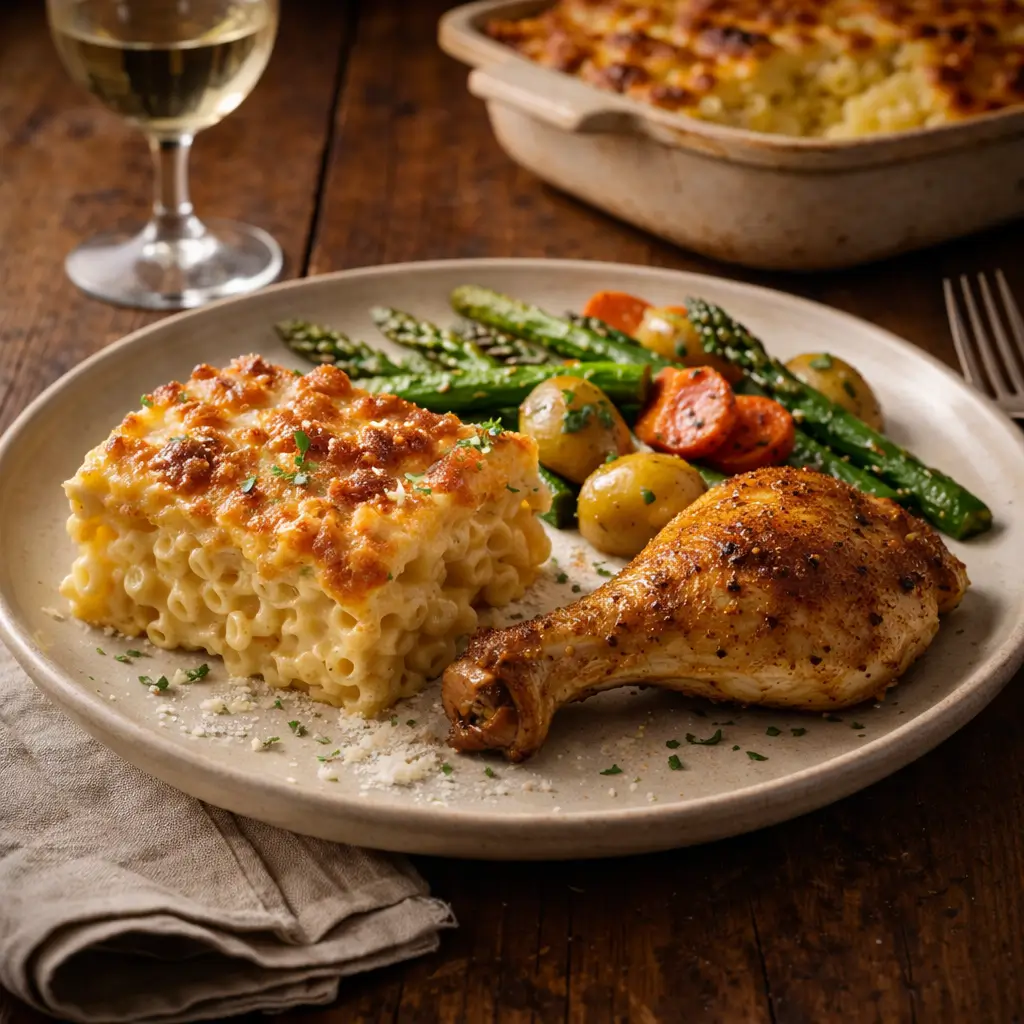
If serving Thomas Jefferson mac and cheese for gatherings or holidays, allow it to rest before slicing into neat squares for plating. Garnish lightly with chopped parsley for color while maintaining authenticity. Avoid heavy breadcrumb toppings if your goal is a colonial style recreation, since the original preparation emphasized cheese rather than crust.
Beverage pairings can also enhance the experience. A crisp white wine such as Chardonnay complements the creamy texture of Thomas Jefferson mac and cheese, while sparkling water with lemon offers a refreshing non alcoholic option. Thoughtful pairings elevate the dish from everyday comfort food to a conversation worthy historical centerpiece.
Conclusion
Thomas Jefferson mac and cheese represents more than a comfort food favorite. It reflects a moment in American history when global influence began shaping national cuisine. By bringing pasta traditions from Europe to Virginia and serving baked macaroni dishes at formal gatherings, Jefferson helped introduce a new culinary experience to the young nation.
Today, recreating Thomas Jefferson mac and cheese offers home cooks a chance to connect with history while enjoying a timeless dish. Whether prepared in its layered colonial form or adapted with modern ingredients, Thomas Jefferson mac and cheese remains a flavorful symbol of cultural exchange and culinary evolution in the United States.
FAQs
1. Did Thomas Jefferson really invent mac and cheese?
Thomas Jefferson mac and cheese was not invented entirely from scratch by Jefferson, but he helped popularize it in the United States. He encountered pasta dishes in Europe and introduced a baked macaroni and cheese style meal to American dinner tables. His documented interest in macaroni and serving it at official dinners contributed to its early visibility in American cuisine.
2. Where did Thomas Jefferson discover macaroni?
Thomas Jefferson mac and cheese traces back to his travels in France and northern Italy during the 1780s. While serving as a diplomat, he studied European food traditions and became fascinated with pasta production. He imported macaroni and even sketched a pasta machine design.
3. What was the original Thomas Jefferson mac and cheese recipe like?
Thomas Jefferson mac and cheese originally resembled a baked macaroni pie made with boiled pasta, butter, cream, and grated cheese layered in a dish. It did not include a flour based cheese sauce like many modern versions.
4. Did Jefferson serve mac and cheese at the White House?
Historical records indicate that Thomas Jefferson mac and cheese was served at a state dinner in 1802. Guests described a rich baked pasta dish that aligns with early macaroni and cheese preparations.
5. What cheese did Jefferson use in his mac and cheese?
Thomas Jefferson mac and cheese likely used imported hard cheeses such as Parmesan or similar aged varieties available during his lifetime. Sharp aged cheeses would have been preferred for flavor and storage stability.
6. How is Thomas Jefferson mac and cheese different from boxed versions?
Thomas Jefferson mac and cheese focused on layering pasta with butter and grated cheese before baking. Boxed versions use processed cheese powders and stovetop preparation, which significantly changes texture and flavor.
7. Can I make Thomas Jefferson mac and cheese without cream?
Thomas Jefferson mac and cheese can be prepared using only butter and cheese for a firmer texture. Cream adds richness but was not always mandatory in early recipes.
8. Why is Thomas Jefferson associated with macaroni in American history?
Thomas Jefferson mac and cheese symbolizes his role in introducing European culinary traditions to the United States. His curiosity about food, agriculture, and global culture helped shape early American dining practices.
Follow us on Pinterest
thomas jefferson mac and cheese history that will surprise you
Ingredients
Method
- Preheat oven to 375°F. Lightly butter a deep 9×13 inch baking dish.
- Bring a large pot of water to a boil. Add kosher salt and cook macaroni until just tender but slightly firm. Drain without rinsing.
- Spread one third of the macaroni into the prepared baking dish.
- Sprinkle a layer of cheddar and Parmigiano Reggiano evenly over the pasta. Add a few slices of butter.
- Repeat layering two more times until all pasta, cheese, and butter are used.
- Pour warm heavy cream evenly over the assembled layers. Season lightly with sea salt and black pepper.
- Bake uncovered for 25 to 30 minutes, until the top is golden brown and the edges are bubbling.
- Remove from oven and allow to rest for 10 minutes before slicing and serving.
Notes
Slightly undercook the pasta before baking to prevent softness.
For a more authentic colonial texture, avoid adding flour or making a roux based sauce.
Letting the dish rest before serving helps it firm up and hold its layered structure.