
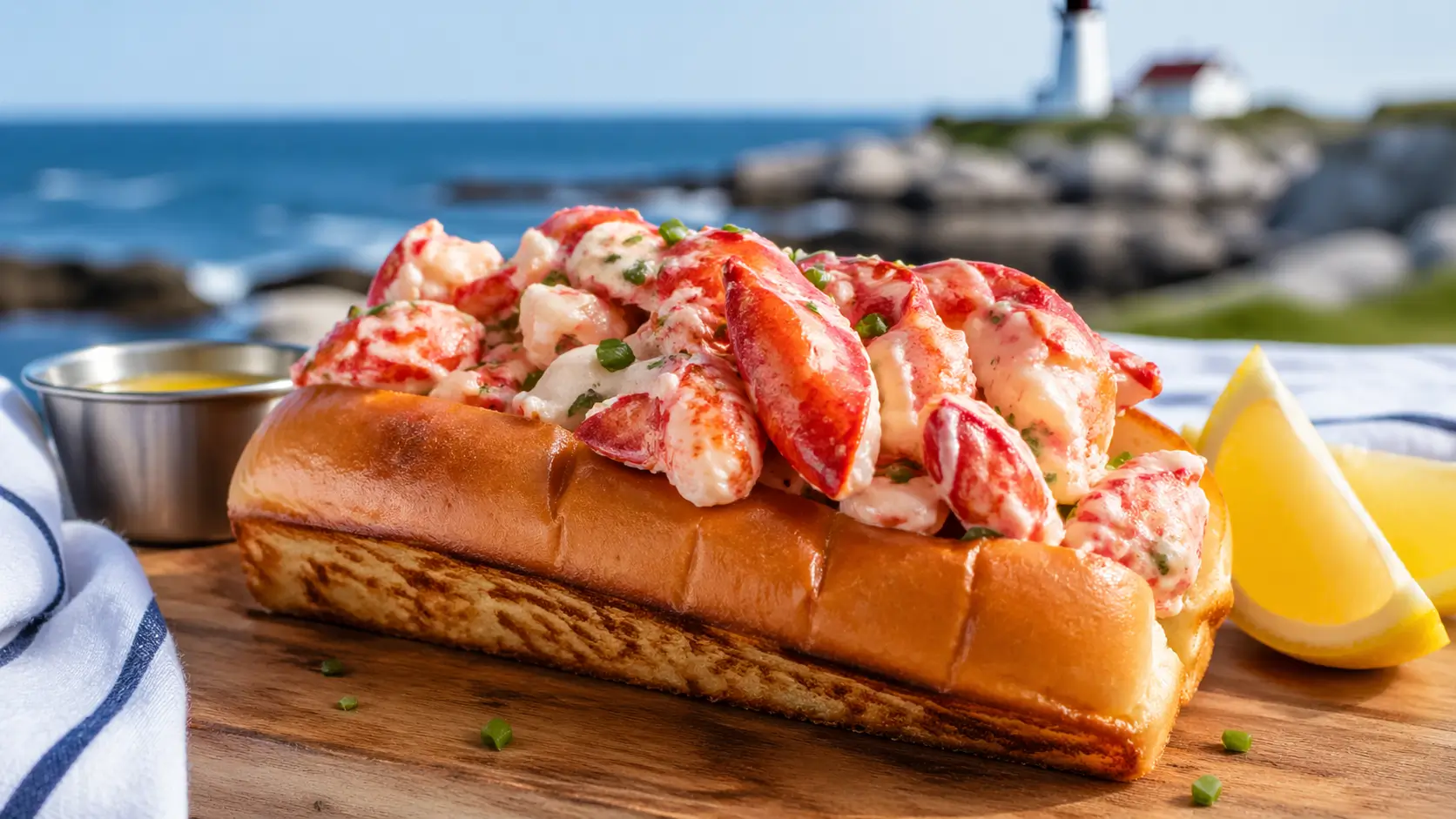
There is something unmistakably special about a Nova Scotia lobster roll recipe. It is not just a sandwich. It represents a coastal tradition shaped by cold Atlantic waters, generations of fishing culture, and a deep respect for letting premium ingredients shine without unnecessary complexity. If you have ever tasted a true East Coast lobster roll, you already know that the difference lies in simplicity, freshness, and balance.
This recipe captures that essence and brings it into your own kitchen with precision and care. Instead of overloading the lobster with heavy sauces or competing flavors, the goal here is to highlight the natural sweetness and delicate texture of the lobster meat. The result is a dish that feels indulgent yet clean, rich yet refreshing.
Understanding the Roots of Nova Scotia Lobster Rolls
Nova Scotia sits along Canada’s eastern coastline, surrounded by the cold waters of the Atlantic Ocean. These waters produce lobster that is known for its firm texture and naturally sweet flavor. Unlike some variations found in other regions, the Nova Scotia approach is more restrained and ingredient focused.
What Makes It Different from Other Lobster Rolls
A Nova Scotia lobster roll recipe stands apart in several key ways:
- It typically uses lightly dressed lobster meat rather than heavily mixed fillings
- The seasoning is minimal, often limited to mayonnaise, lemon, and subtle herbs
- The bun is soft, lightly toasted, and never overpowering
- The lobster remains the clear centerpiece of every bite
This approach ensures that every element works together without overshadowing the star ingredient.
The Importance of Fresh Lobster in This Recipe
At the heart of any successful Nova Scotia lobster roll recipe is the lobster itself. Freshness is not optional. It is essential.
Choosing the Right Lobster
When possible, opt for:
- Live lobster for the freshest flavor
- Cold water lobster, which tends to be sweeter and firmer
- Recently cooked meat that has not been sitting or over handled
If live lobster is not available, high quality frozen lobster can work, but it must be properly thawed and handled with care to preserve texture.
Why Quality Matters
Lobster is delicate. Overcooking, over seasoning, or using low quality meat can quickly ruin the experience. A proper Nova Scotia lobster roll recipe respects this by keeping the preparation clean and controlled.
Balancing Simplicity with Flavor
One of the biggest misconceptions about lobster rolls is that they need complexity. In reality, the opposite is true. The brilliance of a Nova Scotia lobster roll recipe comes from restraint.
Key Flavor Elements
- A light touch of mayonnaise for creaminess
- Fresh lemon juice to brighten the flavor
- A hint of salt to enhance natural sweetness
- Optional celery or herbs for subtle texture and freshness
Each component plays a supporting role. Nothing competes with the lobster.
Why This Recipe Works for Home Cooks
Bringing a coastal classic into your kitchen might seem intimidating, but this Nova Scotia lobster roll recipe is designed to be approachable without sacrificing authenticity.
What You Can Expect
- Straightforward preparation steps
- Minimal cooking techniques required
- Ingredients that are easy to source in most US markets
- Restaurant quality results at home
Even if you have never worked with lobster before, this recipe guides you toward a confident and successful outcome.
Setting the Stage for the Perfect Lobster Roll
Before diving into ingredients and preparation, it is important to understand the philosophy behind this dish. A great Nova Scotia lobster roll recipe is not about reinventing the wheel. It is about honoring tradition while executing each step with care.
- Want a bold, tangy buffalo sauce that’s low in calories and quick to prepare at home? Discover the simple recipe in this guide Easy Low Calorie Buffalo Sauce Recipe You Can Make in Minutes.
Essential Ingredients for a Perfect Nova Scotia Lobster Roll Recipe
Creating an authentic Nova Scotia lobster roll recipe begins with selecting the right ingredients. This is not a dish where shortcuts go unnoticed. Every component plays a critical role, and even small changes can affect the final flavor and texture. The beauty of this recipe lies in its simplicity, but that simplicity demands quality and precision.
Core Ingredients That Define the Recipe
At its foundation, a Nova Scotia lobster roll relies on a short list of ingredients. Each one is carefully chosen to support the lobster rather than compete with it.
Fresh Lobster Meat
The centerpiece of this recipe is, without question, the lobster.
For the best results, use:
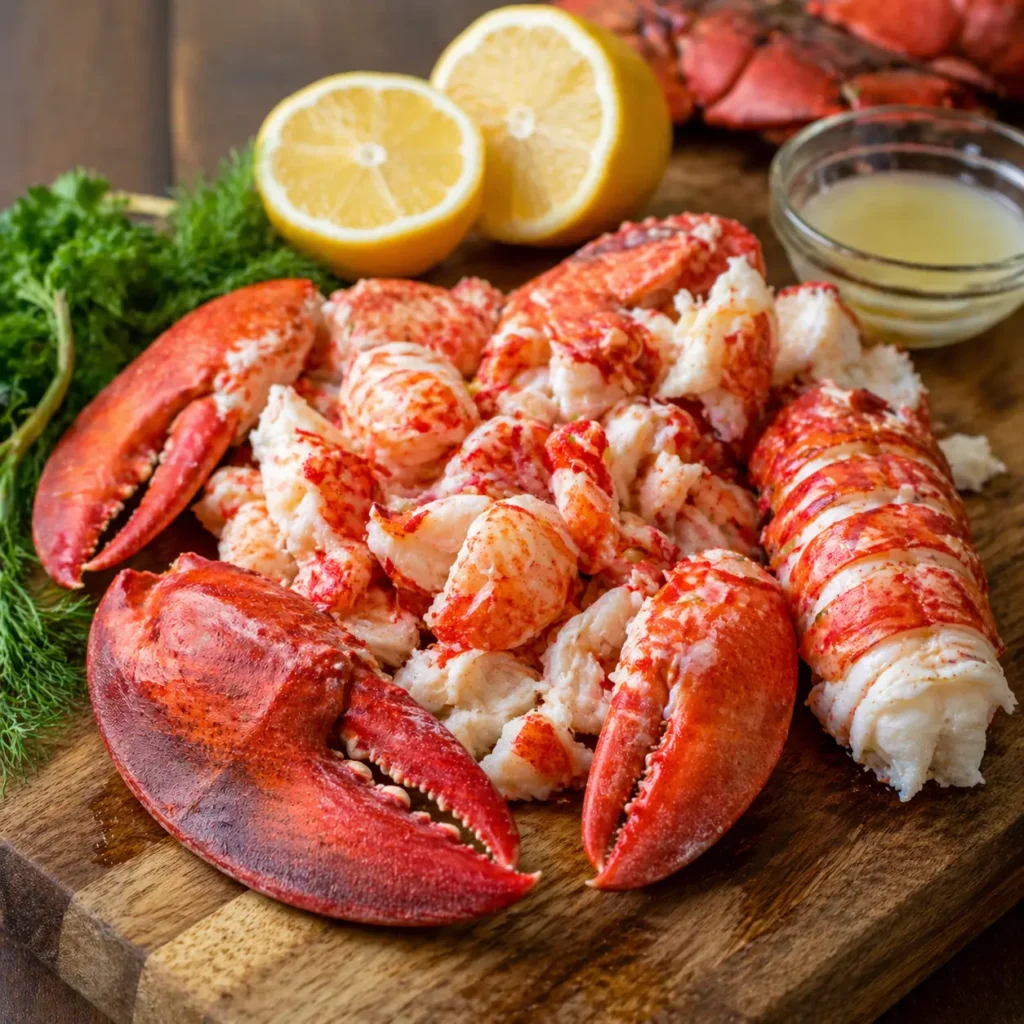
- Cooked lobster meat from claws, knuckles, and tails
- Meat that is chilled but not overly cold
- Large, clean chunks rather than shredded pieces
Claw and knuckle meat offer tenderness and sweetness, while tail meat adds a firmer bite. Combining all three creates the ideal texture balance.
High Quality Mayonnaise
Mayonnaise provides the creamy base that binds the lobster mixture together.
Choose:
- A neutral, high quality mayonnaise
- A product without excessive sweetness or artificial flavor
The goal is to lightly coat the lobster, not drown it. Too much mayonnaise will mask the natural flavor of the seafood.
Fresh Lemon Juice
Lemon juice adds brightness and lifts the entire dish.
Use:
- Freshly squeezed lemon juice only
- A small amount to enhance, not overpower
This subtle acidity balances the richness of both the lobster and the mayonnaise.
Soft Split Top Buns
The bun is more important than many people realize.
Look for:
- Split top hot dog buns, often called New England style buns
- Soft texture with a slightly flat side for toasting
- A mild flavor that does not compete with the filling
These buns provide structure while allowing the lobster to remain the star.
Supporting Ingredients That Enhance Flavor
While the core ingredients define the recipe, a few optional additions can elevate the experience when used carefully.
Finely Diced Celery
Celery introduces a gentle crunch and a touch of freshness.
Use it sparingly to avoid overpowering the lobster. The texture should complement, not dominate.
Fresh Herbs
Common options include:
- Chives for a mild onion note
- Parsley for a clean, herbal finish
These herbs add a layer of complexity without distracting from the main flavor.
Butter for Toasting
Lightly buttering the buns before toasting adds richness and a subtle crisp texture on the outside.
Use real butter for the best flavor and avoid over toasting. The bun should remain soft inside.
Ingredient Quality and Sourcing Tips
A great Nova Scotia lobster roll recipe depends heavily on ingredient quality. Here are practical tips for sourcing the best components in the United States.
Where to Find Lobster
- Seafood markets often carry fresh or recently cooked lobster
- Many grocery stores offer pre cooked lobster meat in the seafood section
- Online seafood suppliers can deliver high quality lobster directly to your door
Always check for freshness, clean smell, and firm texture.
Choosing the Right Bread
New England style buns may not be available everywhere, but they are worth seeking out. If you cannot find them:
- Look for soft hot dog buns with minimal sweetness
- Avoid overly dense or crusty bread
The texture should remain soft and slightly buttery.
Selecting Fresh Produce
Even though this recipe uses minimal vegetables, freshness still matters.
- Choose crisp celery with no softness
- Use bright, fresh herbs without wilting
- Select firm, juicy lemons
These small details make a noticeable difference.
How Ingredient Balance Impacts the Final Result
The success of a Nova Scotia lobster roll recipe is not just about individual ingredients, but how they work together.
Too much mayonnaise can overwhelm the lobster. Too much lemon can make it overly sharp. Too many add ins can distract from the core flavor. The key is balance.
When done correctly, each bite delivers:
- Sweet, tender lobster
- Light creaminess
- A hint of brightness
- Soft, buttery bread
Nothing feels heavy or excessive. Everything feels intentional.
Preparing Your Ingredients Before Cooking
Before moving on to the preparation process, it is important to have everything ready.
Make sure to:
- Chop lobster into large bite sized pieces
- Dice celery very finely if using
- Squeeze fresh lemon juice in advance
- Have buns ready for toasting
This preparation ensures a smooth and efficient cooking process.
Step by Step Method for the Best Nova Scotia Lobster Roll Recipe
Executing a flawless Nova Scotia lobster roll recipe is all about precision, timing, and restraint. The process itself is straightforward, but every step must be handled with care to preserve the lobster’s delicate texture and flavor. This is not a dish that benefits from rushing or overworking the ingredients. Instead, focus on gentle handling and clean technique.
Preparing the Lobster Meat Properly
Before assembling the lobster roll, the lobster meat must be prepared correctly. This step sets the foundation for the entire recipe.
Cutting and Handling the Lobster
Start with fully cooked lobster meat that has been chilled slightly. Avoid using meat that is too cold straight from the refrigerator, as it can dull the flavor.
Follow these steps:
- Place the lobster meat on a clean cutting surface
- Cut into large, bite sized chunks rather than small pieces
- Keep claw and knuckle meat intact when possible for better texture
- Remove any remaining shell fragments carefully
The goal is to maintain generous pieces that showcase the lobster’s natural structure.
Bringing Lobster to the Right Temperature
Let the lobster sit at room temperature for a few minutes before mixing. This helps:
- Enhance its natural sweetness
- Improve how it absorbs the dressing
- Prevent the mixture from becoming overly stiff
Do not leave it out too long. A short rest is enough.
Mixing the Lobster Filling
This is where many people go wrong. Overmixing or overdressing can ruin an otherwise perfect Nova Scotia lobster roll recipe.
Building the Perfect Dressing
In a mixing bowl, combine:
- A small amount of high quality mayonnaise
- Fresh lemon juice
- A pinch of salt
Stir gently until smooth. The dressing should be light and subtle.
Folding in the Lobster
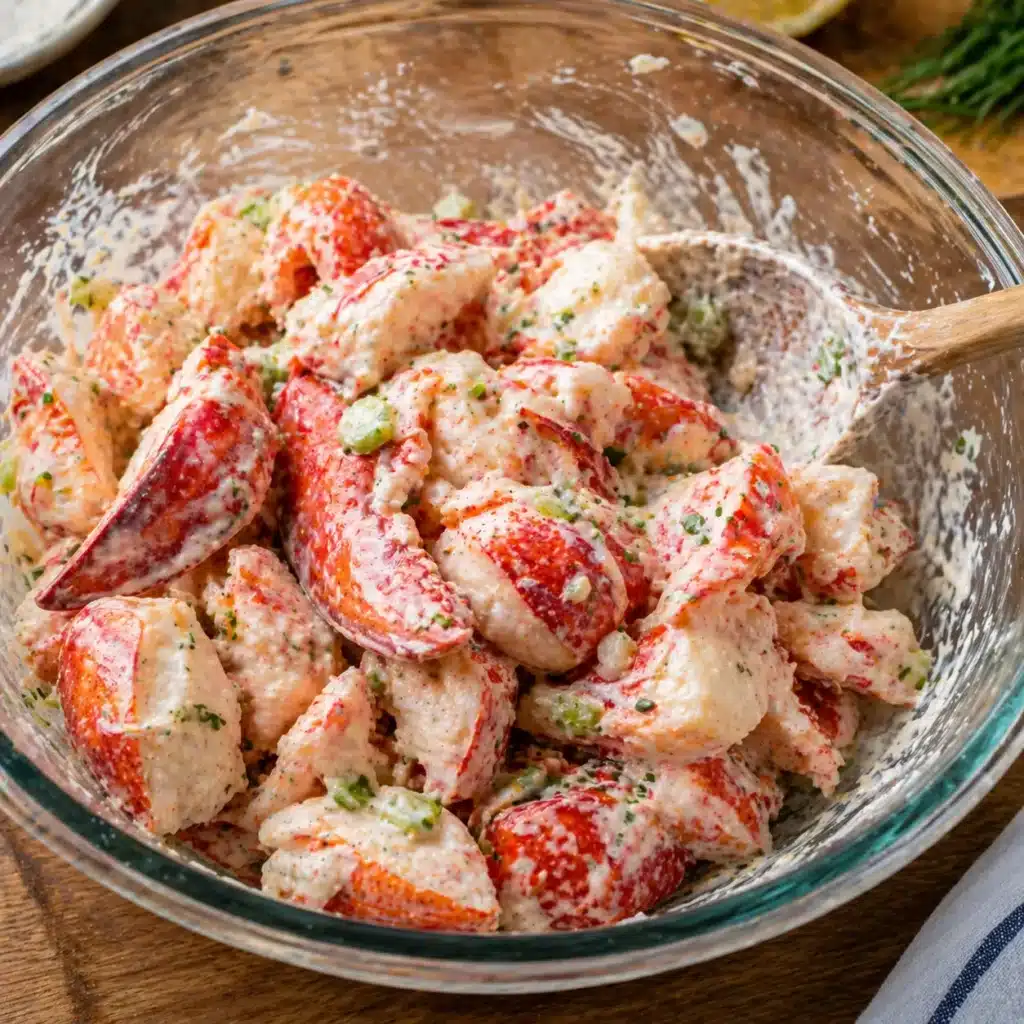
Add the lobster meat to the bowl and gently fold it into the dressing.
Keep these points in mind:
- Use a soft touch to avoid breaking the meat
- Ensure even coating without excess moisture
- Stop mixing as soon as everything is lightly combined
If using celery or herbs, add them at this stage and fold gently.
Preparing and Toasting the Buns
The bun plays a supporting role, but it still requires proper attention.
Buttering the Buns
Lightly spread butter on the outer sides of each bun. This creates a golden surface when toasted and adds a subtle richness.
Toasting to Perfection
Place the buns on a skillet over medium heat.
Toast until:
- The outside is lightly golden
- The interior remains soft and warm
- The bun holds its shape without becoming crisp or brittle
Avoid overheating, as a dry bun can ruin the balance of the dish.
Assembling the Nova Scotia Lobster Roll Recipe
With all components ready, it is time to assemble the lobster rolls.
Filling the Buns
Open each toasted bun gently and fill it with the lobster mixture.
For best results:
- Use a generous portion without overstuffing
- Allow the lobster pieces to sit naturally rather than packing them tightly
- Let some larger chunks remain visible for presentation
The filling should look abundant but not messy.
Final Touches
To finish the lobster roll:
- Add a light squeeze of lemon if desired
- Sprinkle a small amount of fresh herbs on top
- Serve immediately while the bun is still warm
These final touches enhance both flavor and visual appeal.
Timing and Serving Considerations
A Nova Scotia lobster roll recipe is best enjoyed fresh. Timing matters more than you might expect.
When to Serve
Serve the lobster rolls immediately after assembly to ensure:
- The bun remains warm and soft
- The lobster retains its ideal texture
- The flavors stay balanced and vibrant
Letting the rolls sit too long can lead to soggy bread and muted flavors.
Portion Guidelines
Typically, one lobster roll per person works well for a light meal. For a more filling serving, consider pairing with sides rather than increasing the portion size excessively.
Common Mistakes to Avoid
Even with a simple recipe, small mistakes can impact the result.
Be mindful to avoid:
- Using too much mayonnaise
- Overmixing the lobster
- Overtoasting the buns
- Using low quality or overly cold lobster meat
- Adding too many extra ingredients
Keeping the recipe clean and focused is key.
What You Should Expect from the Final Result
When done correctly, your Nova Scotia lobster roll recipe will deliver:
- Tender, juicy lobster in every bite
- A light, creamy coating that enhances without overpowering
- A warm, buttery bun that complements the filling
- A balanced flavor profile that feels fresh and satisfying
This is a dish that feels both simple and luxurious at the same time.
Expert Tips and Flavor Variations for Nova Scotia Lobster Roll Recipe
A well executed Nova Scotia lobster roll recipe already delivers exceptional flavor through simplicity. However, small refinements and thoughtful variations can elevate the experience even further without compromising authenticity. The key is to enhance rather than transform, keeping the lobster at the center of every decision.

Fine Tuning Texture and Flavor Like a Pro
Even with the right ingredients and method, subtle adjustments can make a noticeable difference in the final result.
Controlling Moisture Balance
One of the most common issues with lobster rolls is excess moisture.
To maintain the ideal texture:
- Use just enough mayonnaise to lightly coat the lobster
- Pat lobster meat dry if it releases excess liquid
- Avoid adding watery ingredients that dilute the flavor
A properly balanced mixture should feel creamy but never heavy or soggy.
Achieving the Perfect Lobster Bite
Texture is just as important as flavor in a Nova Scotia lobster roll recipe.
For the best bite:
- Keep lobster pieces large and intact
- Combine claw, knuckle, and tail meat for variety
- Avoid shredding or overcutting
This creates a more satisfying and authentic eating experience.
Temperature Contrast Matters
A defining characteristic of a great lobster roll is the contrast between warm and cool elements.
Aim for:
- Slightly chilled lobster filling
- Warm, freshly toasted bun
This balance enhances both texture and flavor, making each bite more dynamic.
Subtle Flavor Enhancements That Work
While tradition favors simplicity, a few carefully chosen additions can complement the lobster without overpowering it.
Adding a Hint of Butter
Some variations of the Nova Scotia lobster roll recipe incorporate a small amount of melted butter.
You can:
- Lightly drizzle warm butter over the lobster before serving
- Mix a small amount into the dressing for added richness
This creates a deeper, more indulgent flavor while still maintaining balance.
Incorporating a Touch of Mustard
A very small amount of Dijon mustard can add depth.
Use it carefully:
- Mix a tiny amount into the mayonnaise
- Keep the flavor subtle and barely noticeable
The goal is complexity, not dominance.
Using Lemon Zest for Brightness
In addition to juice, a small amount of lemon zest can enhance freshness.
This adds:
- A more pronounced citrus aroma
- A cleaner finish to the dish
Be sure to use it sparingly to avoid bitterness.
Regional and Personal Variations
While the classic version remains the standard, there are a few variations that still respect the spirit of a Nova Scotia lobster roll recipe.
Butter Based Lobster Roll Style
Instead of mayonnaise, some prefer a butter based version.
In this approach:
- Warm lobster meat gently in melted butter
- Skip the mayonnaise entirely
- Serve immediately in a toasted bun
This creates a richer, more decadent version with a different texture profile.
Light Herb Forward Variation
For a fresher twist:
- Increase the use of chives or parsley slightly
- Add a small amount of finely chopped tarragon
This enhances the herbal notes while keeping the lobster flavor intact.
Minimalist Pure Lobster Approach
For those who want the purest experience:
- Use lobster, butter, and a touch of salt only
- Eliminate all other additions
This variation highlights the natural sweetness of the lobster in its most unfiltered form.
Pairing Ideas That Complement the Dish
A Nova Scotia lobster roll recipe shines even more when paired with the right sides and beverages.
Classic Side Options
Consider serving with:
- Lightly salted potato chips
- Simple coleslaw with a mild dressing
- Fresh corn on the cob
These sides add texture and variety without competing with the lobster.
Beverage Pairings
To complete the meal:
- Sparkling water with lemon for a clean pairing
- Light white wine such as Sauvignon Blanc
- Iced tea for a refreshing contrast
Avoid heavy or overly sweet drinks that can overwhelm the delicate flavors.
Making the Recipe Ahead of Time
While lobster rolls are best served fresh, some preparation can be done in advance.
What You Can Prepare Early
- Cook and clean the lobster meat
- Chop ingredients and store them separately
- Prepare the dressing in advance
What Should Be Done Last Minute
- Mixing the lobster with the dressing
- Toasting the buns
- Assembling the rolls
This ensures the best possible texture and flavor.
Elevating Presentation for a Professional Finish
Presentation adds to the overall experience, especially if you are serving guests.
To enhance presentation:
- Use parchment paper wraps for a classic seafood shack look
- Arrange rolls neatly on a serving platter
- Garnish lightly with herbs or lemon wedges
A clean and simple presentation reflects the elegance of the dish itself.
Why These Tips Make a Difference
A Nova Scotia lobster roll recipe is deceptively simple. Because there are so few ingredients, every detail matters more. Small improvements in technique, balance, and presentation can transform a good lobster roll into an exceptional one.
By applying these expert insights, you ensure that your lobster roll not only meets expectations but exceeds them with every bite.
Storage Tips and FAQs for Nova Scotia Lobster Roll Recipe
A well prepared Nova Scotia lobster roll recipe is best enjoyed fresh, but understanding how to store and handle leftovers properly can help you preserve both flavor and texture. Because this dish relies on delicate seafood and minimal ingredients, storage must be handled with care. In this section, you will also find practical answers to common questions about making a Nova Scotia lobster roll recipe at home.
How to Store a Nova Scotia Lobster Roll Recipe Properly
When dealing with seafood, freshness is everything. While a Nova Scotia lobster roll recipe is ideally served immediately, you can still store components safely if needed.
Storing the Lobster Filling
If you have leftover lobster mixture from your Nova Scotia lobster roll recipe:
- Place it in an airtight container
- Store it in the refrigerator immediately
- Keep it chilled at a consistent temperature
For best quality, consume within 1 to 2 days. Beyond that, the texture of the lobster may begin to break down and lose its signature firmness.
Keeping the Buns Fresh
Buns should always be stored separately from the lobster mixture.
- Keep them in a sealed bag at room temperature
- Avoid refrigeration, which can dry them out
- Toast only when ready to serve
Separating components ensures your Nova Scotia lobster roll recipe maintains the right texture when assembled later.
Can You Make Nova Scotia Lobster Roll Recipe Ahead of Time
This is a common question, especially for gatherings or meal prep.
What Works in Advance
You can prepare parts of your Nova Scotia lobster roll recipe ahead of time:
- Cook and clean the lobster
- Chop and portion ingredients
- Mix a light dressing without combining it with the lobster
What Should Be Done Last Minute
For the best results:
- Mix the lobster with the dressing just before serving
- Toast the buns fresh
- Assemble immediately
This approach ensures your Nova Scotia lobster roll recipe retains its signature balance of freshness and texture.
Can You Freeze Lobster Roll Components
Freezing is not recommended for a fully assembled Nova Scotia lobster roll recipe. However, some components can be frozen with limitations.
Freezing Lobster Meat
- Cooked lobster meat can be frozen if properly sealed
- Use airtight freezer bags to prevent freezer burn
- Thaw slowly in the refrigerator before use
Even with proper handling, frozen lobster may lose some of its original texture, which can affect the final quality of your Nova Scotia lobster roll recipe.
Avoid Freezing the Full Mixture
Once mixed with mayonnaise and lemon juice, freezing will negatively impact both texture and flavor. It is best to keep the lobster mixture fresh.
Reheating Considerations
A traditional Nova Scotia lobster roll recipe is not typically reheated, especially if prepared in the classic chilled style.
If Using a Warm Butter Style
If you opted for a butter based Nova Scotia lobster roll recipe:
- Gently warm the lobster over low heat
- Avoid high temperatures that can toughen the meat
- Stir carefully to maintain texture
Always heat just enough to warm through, not cook further.
Common Mistakes When Storing Nova Scotia Lobster Roll Recipe
Avoid these errors to maintain quality:
- Storing lobster rolls fully assembled, which leads to soggy buns
- Leaving lobster at room temperature for too long
- Overchilling the lobster, which dulls its flavor
- Reheating in high heat, causing rubbery texture
Being mindful of these factors helps preserve the integrity of your Nova Scotia lobster roll recipe.
Complete Nova Scotia Lobster Roll Recipe Card and Final Details
A well executed Nova Scotia lobster roll recipe comes down to precision, balance, and respect for ingredients. Now that every step, tip, and variation has been covered, this final section brings everything together into a clear, structured format you can follow easily in your kitchen.
This complete recipe ensures your Nova Scotia lobster roll recipe delivers authentic flavor, proper texture, and consistent results every time.
Final Thoughts on Storage and Practical Use
Mastering a Nova Scotia lobster roll recipe is not only about preparation but also about handling leftovers correctly. While the dish is best fresh, understanding proper storage and timing ensures you can still enjoy high quality results even when planning ahead.
Frequently Asked Questions About Nova Scotia Lobster Roll Recipe
What type of lobster is best for a Nova Scotia lobster roll recipe?
Cold water lobster is ideal due to its sweet flavor and firm texture. It closely matches the traditional profile used in a Nova Scotia lobster roll recipe.
How much lobster do I need per roll?
Plan for about 4 to 6 ounces of lobster meat per roll for a satisfying portion in your Nova Scotia lobster roll recipe.
Can I use store bought lobster meat?
Yes, as long as it is fresh and high quality. This can still produce an excellent Nova Scotia lobster roll recipe when handled properly.
Is it better warm or cold?
A classic Nova Scotia lobster roll recipe is typically served with lightly chilled lobster and a warm bun, though butter based warm versions are also popular.
What can I use instead of mayonnaise?
You can use melted butter for a richer variation, which still works within the style of a Nova Scotia lobster roll recipe.
How do I keep the lobster from becoming rubbery?
Avoid overcooking and excessive reheating. Gentle handling is essential for a successful Nova Scotia lobster roll recipe.

nova scotia lobster roll recipe
Ingredients
Method
- Place the cooked lobster meat on a cutting board and cut into large bite sized pieces. Keep chunks intact for the best texture in your Nova Scotia lobster roll recipe.
- In a mixing bowl, combine mayonnaise, fresh lemon juice, and a pinch of salt. Stir gently until smooth.
- Add the lobster meat to the bowl and fold carefully until lightly coated. Do not overmix to preserve texture.
- If using celery and chives, fold them in gently at this stage.
- Lightly butter the outer sides of each bun.
- Heat a skillet over medium heat and toast the buns until golden on the outside while keeping the inside soft.
- Fill each bun generously with the lobster mixture. Let the lobster sit naturally without pressing it down.
- Serve immediately for the best flavor and texture.
Notes
- Use fresh lobster whenever possible for the best Nova Scotia lobster roll recipe
- Avoid adding too much mayonnaise to keep the lobster flavor dominant
- Serve immediately after assembling for optimal texture
- For a butter version, replace mayonnaise with melted butter