
The orange peel trick recipe is one of the easiest ways to bring deeper flavor into homemade desserts without using expensive ingredients or artificial flavoring. Many home cooks throw away orange peels without realizing they contain fragrant citrus oils that can completely transform cakes, cookies, syrups, and baked treats.
Fresh orange peel carries intense natural aroma because the outer layer contains essential oils packed with bright citrus flavor. When used correctly, the peel adds freshness, balance, and a subtle sweetness that bottled extracts often fail to deliver. This simple kitchen method has become popular among bakers who want desserts to taste fresher and more vibrant.
One reason the orange peel trick recipe works so well is because citrus naturally enhances other ingredients. Vanilla tastes warmer, chocolate becomes richer, and butter based desserts gain a cleaner finish. Even simple recipes such as muffins or sugar cookies can taste bakery quality after adding properly prepared orange peel.
- Want to recreate a bakery style orange pound cake with rich citrus flavor and an authentic homemade taste? Discover the full copycat method in this guide orange pound cake stock’s bakery copycat recipe that tastes authentic.
Why This Recipe Became Popular in American Kitchens
In many American homes, people look for simple cooking tricks that improve flavor without adding extra work. The orange peel trick recipe became popular because it uses an ingredient that most people already have at home. Instead of wasting orange peels, cooks can turn them into a flavorful addition for both sweet and savory dishes.
Social media and food blogs helped spread the popularity of citrus based kitchen techniques, especially during holiday baking season. Many bakers discovered that rubbing orange peel with sugar releases aromatic oils that create deeper flavor in cakes, frostings, and cookies. Others started simmering orange peels into syrups, jams, or tea for a fresh citrus finish.
This recipe also fits modern cooking trends because it reduces food waste while improving taste naturally. People appreciate recipes that feel practical, affordable, and useful in everyday cooking.
What Makes Orange Peel So Powerful in Recipes
Orange peel contains concentrated citrus compounds that provide strong aroma and flavor. The bright outer layer called the zest is the most flavorful part. When heated gently or mixed with sugar, butter, or cream, these oils spread through the entire dessert.
The flavor profile is different from orange juice. Juice adds acidity and sweetness, while peel delivers depth and fragrance. That difference is what makes the orange peel trick recipe especially useful in baking.
Here are a few ways orange peel improves desserts:
- Adds fresh citrus aroma
- Balances rich buttery recipes
- Enhances chocolate flavor
- Gives cakes a cleaner finish
- Creates bakery style flavor naturally
Using fresh peel correctly can make homemade desserts taste more refined without making the recipe complicated.
The Best Types of Oranges for This Recipe
Not every orange produces the same flavor. Some varieties are sweeter while others contain stronger citrus oils. Choosing the right type improves the final result significantly.
Navel oranges are often the best choice because they are sweet, easy to zest, and widely available in the United States. Valencia oranges also work well, especially for syrups and sauces because they have a balanced citrus flavor.
Organic oranges are preferred whenever possible since the peel will be used directly in the recipe. Washing the fruit thoroughly is important to remove wax or residue before zesting.
Freshness also matters. A firm orange with smooth skin usually contains more aromatic oils than older fruit with dry peel.
Common Mistakes People Make With Orange Peel
Many people become disappointed with citrus desserts because they use the peel incorrectly. The biggest mistake is including too much of the white inner layer known as the pith. The pith tastes bitter and can overpower the dessert.
Another mistake is using dried out oranges with weak aroma. Fresh citrus always produces better results. Some cooks also add peel too late in the process, which prevents the oils from fully blending into the recipe.
The best approach is to finely zest only the bright outer layer and mix it into warm ingredients such as sugar or butter. This helps release the oils naturally and spreads the flavor evenly.
How to Use the Orange Peel Trick Recipe the Right Way
Preparing Fresh Orange Peel for Maximum Flavor
The success of any orange peel trick recipe depends on how the peel is prepared before adding it to desserts or baked dishes. Proper preparation helps release the natural citrus oils that make this method so effective. When done correctly, the orange peel trick recipe creates a bright flavor that tastes fresh instead of artificial.
Start by washing the oranges carefully under warm water. Even if the fruit looks clean, the outer skin may contain wax or residue. Dry the oranges completely with a towel before zesting. Moisture can reduce the intensity of the citrus oils and make the peel harder to work with.
Use a fine grater or microplane to remove only the bright orange surface. Avoid digging into the white layer underneath because that part creates bitterness. The fragrant outer layer is what gives the orange peel trick recipe its signature flavor and aroma.
Fresh zest should look soft, slightly moist, and vibrant in color. If the peel appears dry or pale, the oranges may not contain enough natural oils for the best results.
The Famous Sugar and Orange Peel Method
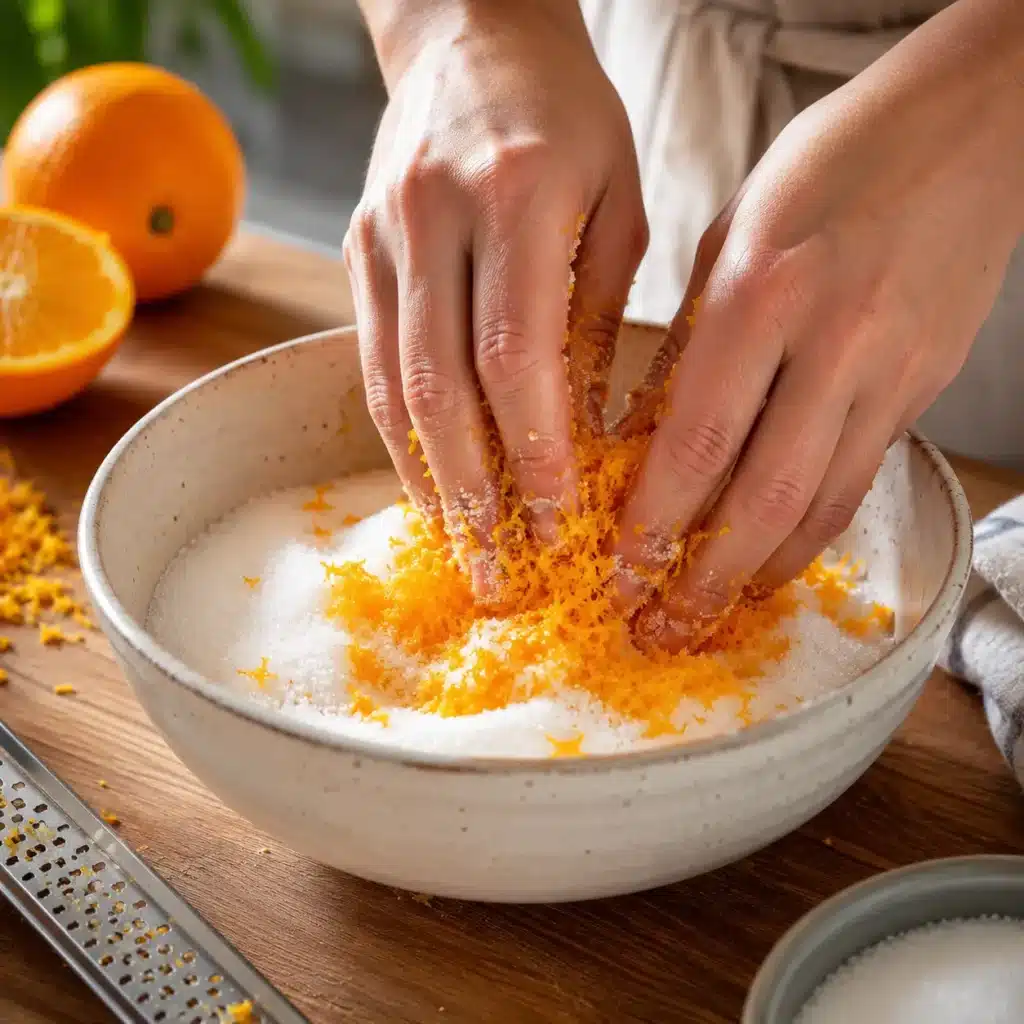
One of the most popular versions of the orange peel trick recipe involves mixing fresh zest directly with sugar. This method is commonly used in bakeries because it creates a stronger citrus flavor throughout cakes, cookies, and pastries.
To do this, place sugar in a bowl and add fresh orange zest. Rub the mixture together gently with your fingers for several minutes. As the oils release, the sugar becomes fragrant and lightly tinted orange. This simple step dramatically improves flavor in desserts.
The sugar absorbs the citrus oils and distributes them evenly through the recipe. Many professional bakers use this technique because it produces better results than simply adding zest at the end.
This orange peel trick recipe works especially well in:
- Sugar cookies
- Pound cakes
- Muffins
- Cheesecake crusts
- Buttercream frosting
- Pancake batter
The flavor becomes smoother, more natural, and deeply aromatic.
Turning the Orange Peel Trick Recipe Into Citrus Syrup
Another effective version of the orange peel trick recipe uses simmered orange peel to create homemade citrus syrup. This syrup can be drizzled over cakes, pancakes, yogurt, ice cream, or breakfast pastries.
To make the syrup, combine orange peels, sugar, and water in a saucepan. Simmer slowly until the liquid thickens slightly and the peels become soft. The slow cooking process extracts flavor from the peel while creating a glossy citrus syrup.
This method creates a rich orange flavor without relying on bottled flavorings. The syrup can also be stored in the refrigerator for several days and used in multiple recipes.
Many people enjoy adding this syrup to:
- Vanilla cake
- French toast
- Homemade lemonade
- Fruit salad
- Tea
- Sparkling water
The orange peel trick recipe becomes even more versatile when used in liquid form because the citrus flavor spreads evenly through drinks and desserts.
Why the Orange Peel Trick Recipe Works Better Than Extracts
Artificial orange extract often tastes sharp or overly sweet. Fresh citrus peel delivers a more balanced flavor because it contains natural oils instead of concentrated synthetic ingredients.
The orange peel trick recipe also adds complexity. Instead of tasting like candy flavoring, desserts gain subtle layers of citrus aroma that develop while baking. This is one reason many experienced bakers prefer fresh zest over bottled products.
Another advantage is texture. Tiny pieces of zest melt into batters and doughs, releasing flavor gradually. This creates a softer citrus profile that blends naturally with butter, vanilla, cream, and chocolate.
Fresh orange peel also contains aromatic compounds that become stronger when heated. During baking, these oils spread through the dessert and create a warm citrus scent that fills the kitchen.
Best Desserts for the Orange Peel Trick Recipe
Some desserts benefit more than others from citrus enhancement. Rich recipes usually pair especially well because orange peel balances sweetness and heaviness.
Popular choices include:
Cakes and Loaf Breads
Orange peel adds freshness to pound cake, banana bread, yogurt cake, and coffee cake. The citrus flavor prevents dense baked goods from tasting too heavy.
Chocolate Desserts
Chocolate and orange are naturally complementary. Adding orange zest to brownies, chocolate cookies, or chocolate mousse creates a more sophisticated flavor.
Creamy Desserts
Cheesecake, custard, pudding, and whipped cream all become brighter with citrus peel. The oils cut through richness and create balance.
Breakfast Baking
Many people use the orange peel trick recipe in pancakes, waffles, cinnamon rolls, and muffins because it adds freshness without making breakfast foods overly sweet.
How Much Orange Peel Should You Use
Using too little zest may not produce noticeable flavor, while too much can overpower the dessert. Most recipes work best with the zest of one medium orange for standard cake or cookie batches.
For stronger citrus desserts, two oranges may be appropriate. However, balance matters. The orange peel trick recipe should enhance flavor, not dominate every bite.
A useful guideline is:
- Cookies: 1 tablespoon zest
- Cakes: 1 to 2 tablespoons zest
- Frosting: 1 teaspoon zest
- Syrup: Peel from 2 oranges
- Muffins: 1 tablespoon zest
Fresh zest is strongest immediately after grating, so it is best used right away rather than stored for long periods.
Smart Baking Techniques That Improve the Orange Peel Trick Recipe
Why Timing Matters in the Orange Peel Trick Recipe
Many people assume they can simply toss orange zest into batter at the last second, but timing plays a major role in the final flavor. A properly made orange peel trick recipe depends on allowing the citrus oils enough time to blend into the ingredients.
When orange peel is mixed early with sugar, butter, or warm liquids, the oils spread evenly through the recipe. This creates a fuller citrus flavor that tastes natural and smooth. Adding zest too late often leaves desserts tasting uneven, with random bursts of citrus instead of balanced flavor.
For cakes and cookies, the best method is adding orange zest during the creaming stage. Mixing zest with butter and sugar helps release the oils immediately. This process improves aroma and gives baked goods a stronger bakery style flavor.
In custards or sauces, orange peel should simmer gently to allow the citrus compounds to infuse into the liquid. High heat can damage delicate oils and create bitterness, so slow cooking usually produces better results.

The Difference Between Orange Zest and Orange Peel
Although many people use the terms interchangeably, there is a slight difference between orange zest and orange peel in cooking.
Zest refers specifically to the thin outer orange layer that contains concentrated citrus oils. This is the most valuable part in the orange peel trick recipe because it provides bright flavor without bitterness.
Orange peel can sometimes refer to the entire skin, including the white pith underneath. The pith contains bitter compounds that can affect desserts negatively if used in large amounts.
For the best orange peel trick recipe results:
- Use only the colorful outer layer
- Avoid thick strips with white pith attached
- Finely grate the zest for even flavor distribution
- Use fresh oranges whenever possible
Learning this distinction helps improve both flavor and texture in homemade desserts.
Baking Temperatures That Protect Citrus Flavor
Heat changes the flavor of orange peel significantly. Too much heat can dull the fresh citrus aroma, while moderate baking temperatures help preserve brightness.
Most orange peel trick recipe desserts bake best between 325 and 350 degrees Fahrenheit. This range allows cakes and cookies to cook evenly while protecting the delicate oils inside the zest.
If desserts bake too long or at very high temperatures, the citrus notes may become weak. This is especially important for recipes with subtle flavor profiles like vanilla cake or sugar cookies.
Here are useful baking tips for citrus desserts:
- Avoid overbaking
- Use light colored baking pans when possible
- Add zest early in mixing
- Store baked goods tightly covered to preserve aroma
- Let cakes cool completely before glazing
These small adjustments help maintain the fresh flavor that makes the orange peel trick recipe stand out.
Pairing Orange Peel With Other Ingredients
One reason the orange peel trick recipe works so well is because citrus complements many classic dessert ingredients. Orange flavor rarely dominates when balanced properly. Instead, it enhances sweetness and creates depth.
Some of the best ingredient combinations include:
Orange and Chocolate
Dark chocolate becomes richer and smoother with citrus notes. Orange peel works beautifully in brownies, chocolate cake, and truffles.
Orange and Vanilla
Vanilla softens citrus sharpness while orange brightens vanilla desserts. This pairing is especially popular in cupcakes and buttercream frosting.
Orange and Cinnamon
Warm spices pair naturally with citrus. Cinnamon rolls, coffee cakes, and holiday cookies benefit from fresh orange zest.
Orange and Almond
Almond flour and almond extract combine beautifully with citrus oils. Many European style cakes use this pairing successfully.
Orange and Honey
Honey provides floral sweetness that complements orange peel in tea cakes, muffins, and breakfast pastries.
Using these combinations carefully can make the orange peel trick recipe feel more refined and layered.
Turning the Orange Peel Trick Recipe Into Candied Citrus Peels
Another creative variation of the orange peel trick recipe involves making candied orange peel. This technique transforms leftover peels into sweet citrus treats that can be added to desserts or eaten alone.
The process involves boiling orange peel strips briefly to remove bitterness, then simmering them in sugar syrup until translucent. After drying, the peels become chewy, glossy, and intensely flavorful.
Candied orange peel can be used in:
- Fruitcake
- Chocolate bark
- Cookie dough
- Holiday desserts
- Ice cream toppings
- Homemade granola
This version of the orange peel trick recipe helps reduce food waste while creating a premium bakery style ingredient at home.
Storage Tips for Fresh Orange Peel
Fresh zest loses aroma over time, so proper storage is important. The best flavor comes from freshly grated peel used immediately. However, short term storage is possible if needed.
For refrigeration:
- Place zest in an airtight container
- Store for up to three days
- Keep away from moisture
For freezing:
- Spread zest on parchment paper first
- Freeze briefly before transferring to a container
- Use within two months for strongest flavor
Frozen zest works surprisingly well in the orange peel trick recipe because the oils remain relatively stable when stored properly.
Signs You Used Too Much Orange Peel
Balance matters in citrus desserts. Too much peel can overwhelm other flavors and create a sharp taste.
Common signs include:
- Bitter aftertaste
- Harsh citrus aroma
- Dry mouthfeel
- Overpowering fragrance
- Loss of sweetness balance
If this happens, pairing the dessert with vanilla glaze, whipped cream, or chocolate can help soften the flavor.
A successful orange peel trick recipe should taste fresh and bright without becoming aggressive. Subtle citrus notes usually create the most enjoyable desserts.
Creative Ways to Use the Orange Peel Trick Recipe Every Day
Easy Breakfast Ideas Using the Orange Peel Trick Recipe
The orange peel trick recipe is not limited to cakes and cookies. Many everyday breakfast foods become more flavorful with a small amount of fresh orange zest. The citrus oils add freshness that helps simple meals taste lighter and more homemade.
One of the easiest methods is mixing orange zest into pancake or waffle batter. The flavor becomes warm and fragrant while cooking, especially when paired with vanilla and butter. Many people also add orange zest to oatmeal with cinnamon and honey for a comforting breakfast.
Greek yogurt bowls benefit from the orange peel trick recipe as well. A little citrus zest mixed with yogurt, berries, and granola creates a fresh flavor without adding extra sugar.
Popular breakfast combinations include:
- Orange zest with blueberry muffins
- Orange peel in cinnamon rolls
- Citrus flavored French toast
- Orange and honey oatmeal
- Orange zest in banana bread
These small additions can make basic breakfast recipes feel more special without requiring complicated ingredients.

Using the Orange Peel Trick Recipe in Drinks
Fresh citrus peel also works beautifully in beverages. The oils inside orange peel release aroma quickly when mixed into warm liquids, making drinks smell and taste fresher.
One simple method involves adding strips of orange peel into tea while it steeps. Black tea, green tea, and herbal blends all pair well with citrus. Coffee drinks can also benefit from subtle orange notes, especially mocha based recipes.
The orange peel trick recipe is commonly used in homemade lemonade and fruit infused water. Instead of relying only on juice, adding peel creates deeper citrus flavor.
Some refreshing drink ideas include:
Citrus Iced Tea
Fresh orange peel gives iced tea a clean flavor that tastes less sugary and more refreshing.
Orange Infused Sparkling Water
A few strips of peel in sparkling water create natural citrus aroma without artificial ingredients.
Homemade Hot Chocolate
Orange zest mixed into hot chocolate creates a rich café style flavor combination.
Fresh Smoothies
Orange peel can brighten berry and banana smoothies when used carefully in small amounts.
Because citrus oils are powerful, only a small quantity is needed in beverages.
Holiday Baking With the Orange Peel Trick Recipe
The orange peel trick recipe becomes especially popular during the holiday season because warm citrus flavor pairs perfectly with festive spices and rich desserts.
Classic holiday recipes often include orange zest in:
- Gingerbread cookies
- Cranberry bread
- Fruitcake
- Spiced loaf cakes
- Holiday muffins
- Cinnamon sugar pastries
The fresh aroma creates a comforting scent that many people associate with homemade holiday baking.
Orange peel also pairs beautifully with cloves, nutmeg, and cinnamon. These combinations create deeper flavor without making desserts overly sweet.
Many bakers prepare extra zest during winter baking season because citrus fruits are usually freshest during colder months in the United States.
Savory Recipes That Benefit From Orange Peel
Although desserts are the most common use, the orange peel trick recipe also works in savory cooking. Citrus oils help brighten heavy sauces, roasted meats, and vegetable dishes.
Small amounts of orange zest can improve:
- Roasted chicken
- Rice dishes
- Salad dressings
- Seafood recipes
- Marinades
- Glazed vegetables
Orange peel works particularly well with garlic, olive oil, herbs, and black pepper. The citrus cuts through richness and creates balance in savory meals.
One simple technique involves mixing orange zest into softened butter with herbs. This flavored butter can then be spread over roasted vegetables or warm bread.
The Science Behind Citrus Aroma
The reason the orange peel trick recipe smells so strong comes from volatile oils inside the peel. These oils evaporate quickly when exposed to warmth, releasing powerful aroma compounds into the air.
Humans often associate citrus scent with freshness and cleanliness, which explains why desserts containing orange peel seem lighter and brighter even when rich ingredients are involved.
The fragrance also affects taste perception. When desserts smell fresh, many people experience them as less heavy and more balanced.
This connection between aroma and flavor is one reason professional bakers focus carefully on zest preparation. Properly handled orange peel improves both scent and taste at the same time.
Common Questions About the Orange Peel Trick Recipe
Can You Use Dried Orange Peel?
Yes, but fresh peel usually produces stronger aroma and better flavor. Dried peel works best in teas, spice blends, and slow cooked recipes.
Should Orange Peel Be Organic?
Organic oranges are preferred because the peel is used directly in food. However, washing conventional oranges carefully can also work well.
Can You Freeze Orange Zest?
Yes. Frozen zest keeps much of its flavor when stored properly in airtight containers.
Is the Orange Peel Trick Recipe Healthy?
Orange peel contains natural oils and plant compounds. It can add flavor without relying heavily on artificial ingredients or excess sugar.
Does Orange Peel Taste Bitter?
Only if too much white pith is included. Proper zesting removes the flavorful outer layer while avoiding bitterness.
Why Home Bakers Love This Technique
The orange peel trick recipe remains popular because it feels practical, affordable, and surprisingly effective. Many baking tricks promise dramatic improvements but require expensive ingredients or complicated steps.
This method is different because it uses something most households already throw away. With just a fresh orange and a grater, homemade desserts can gain brighter flavor and stronger aroma immediately.
Home bakers also appreciate how versatile orange peel is. It works in cakes, cookies, drinks, breakfast foods, sauces, and even savory dishes. A single ingredient can improve dozens of recipes naturally.
The orange peel trick recipe proves that small kitchen techniques often create the biggest difference in flavor.
The Best Homemade Orange Peel Trick Recipe Step by Step
A Simple Citrus Recipe Anyone Can Make
Now that you understand why the orange peel trick recipe works so well, it is time to make a simple version at home. This method is beginner friendly, affordable, and versatile enough for desserts, breakfast recipes, and drinks.
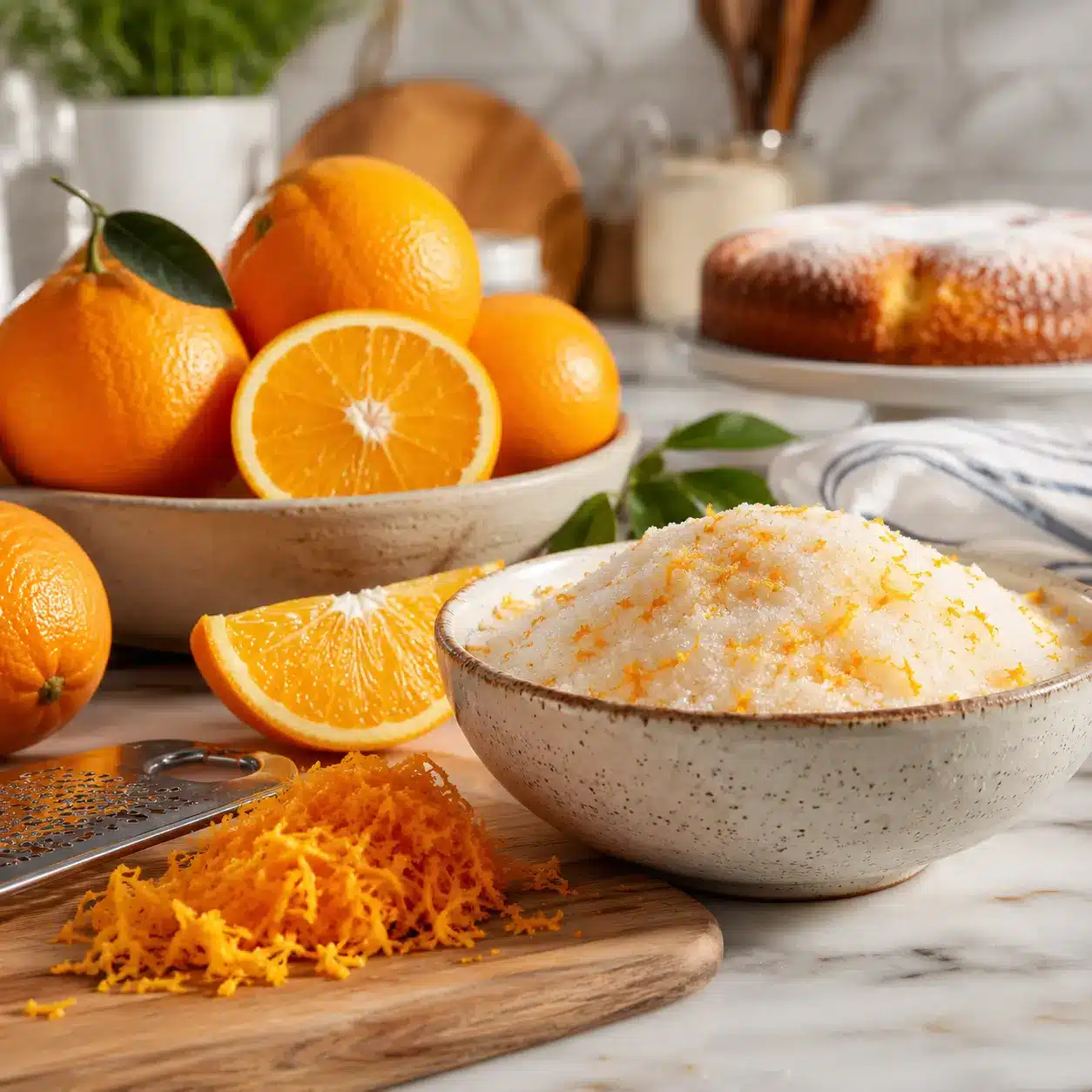
The goal of this orange peel trick recipe is to create fragrant citrus sugar that can instantly improve baked goods. Once prepared, it can be added to cookies, cakes, pancakes, muffins, frostings, and even coffee drinks.
This recipe takes only a few minutes but creates flavor that tastes professionally made.
Ingredients for the Orange Peel Trick Recipe
Citrus Sugar Base
- 2 large fresh oranges
- 1 cup granulated sugar
- 1 teaspoon vanilla extract
Optional Flavor Enhancers
- 1 teaspoon cinnamon
- 1 tablespoon honey
- Pinch of sea salt
Step by Step Instructions
Step 1: Wash the Oranges Carefully
Rinse the oranges under warm water and scrub the outer skin gently. Dry completely with a clean towel. Proper cleaning is important because the peel will be used directly in the recipe.
Step 2: Zest the Oranges
Using a fine grater or microplane, remove only the bright outer orange layer. Avoid the white pith underneath because it can taste bitter.
You should have about 2 tablespoons of fresh zest.
Step 3: Combine Sugar and Orange Zest
Place the sugar in a medium bowl. Add the fresh zest and rub the mixture together with your fingertips for several minutes.
This is the most important step in the orange peel trick recipe because rubbing releases the citrus oils into the sugar. The mixture should become fragrant and slightly moist.
Step 4: Add Vanilla and Optional Ingredients
Mix in the vanilla extract. If desired, add cinnamon, honey, or a small pinch of sea salt for extra depth.
Step 5: Let the Mixture Rest
Allow the citrus sugar to sit for 10 to 15 minutes before using. This resting time helps the orange oils absorb into the sugar fully.
Step 6: Use in Your Favorite Recipes
The finished orange peel trick recipe can now be added to:
- Cookie dough
- Cake batter
- Muffins
- Pancakes
- Frosting
- Whipped cream
- Tea
- Oatmeal
How to Make Orange Peel Syrup From Leftover Peels
After zesting, do not throw away the remaining orange peels. They can still be used to create flavorful citrus syrup.
Ingredients
- Leftover orange peels
- 1 cup water
- 1 cup sugar
Instructions
Combine everything in a saucepan and simmer gently for 20 minutes. Strain the syrup and allow it to cool.
This syrup works beautifully over pancakes, waffles, ice cream, yogurt, and pound cake.
Expert Tips for the Best Orange Peel Trick Recipe
Use Fresh Oranges Only
Fresh citrus contains more aromatic oils than older fruit. Firm oranges with smooth skin usually provide the strongest flavor.
Zest Directly Over the Bowl
This helps capture the citrus oils immediately before they evaporate.
Avoid Overheating
Very high heat can weaken citrus aroma. Moderate baking temperatures preserve flavor better.
Pair Orange Peel With Rich Ingredients
Butter, chocolate, cream, cinnamon, and vanilla all balance citrus beautifully.
Store Properly
Keep leftover citrus sugar in an airtight container for up to one week.
Flavor Variations to Try
The orange peel trick recipe can easily be customized for different desserts and occasions.
Spiced Holiday Version
Add cinnamon, nutmeg, and cloves for festive baking recipes.
Chocolate Orange Version
Mix orange zest into brownie batter or chocolate frosting.
Lemon Orange Blend
Combine orange and lemon zest for brighter citrus flavor.
Honey Citrus Version
Replace some sugar with honey for softer sweetness.
Vanilla Cream Style
Use extra vanilla for warm bakery flavor.
Why This Orange Peel Trick Recipe Works Every Time
This recipe succeeds because it uses natural citrus oils instead of relying on artificial flavoring. The rubbing technique spreads aroma evenly through sugar, creating balanced flavor in every bite.
The orange peel trick recipe also works across many types of cooking. Whether you bake cakes, prepare breakfast foods, or make homemade drinks, fresh orange peel improves flavor naturally and affordably.
Small kitchen techniques often create the biggest difference, and this citrus method proves that simple ingredients can completely transform homemade recipes.
Frequently Asked Questions
Can I use mandarins instead of oranges?
Yes. Mandarins create a sweeter and softer citrus flavor that works well in cookies and cakes.
How long does citrus sugar last?
When stored in an airtight container, it stays fresh for about one week at room temperature.
Can I use brown sugar?
Yes. Brown sugar creates deeper caramel flavor and pairs especially well with cinnamon recipes.
Is orange peel safe to eat?
Yes, when washed properly. Organic oranges are preferred because the peel is used directly.
Can this recipe work in savory dishes?
Absolutely. Orange zest pairs well with chicken, seafood, rice, and salad dressings.
orange peel trick recipe
Ingredients
Method
- Wash and dry the oranges thoroughly.
- Zest only the bright orange outer layer.
- Combine sugar and zest in a bowl.
- Rub together with fingers until fragrant.
- Add vanilla and optional ingredients.
- Let rest for 10 to 15 minutes.
- Use in cakes, cookies, muffins, pancakes, or drinks.