
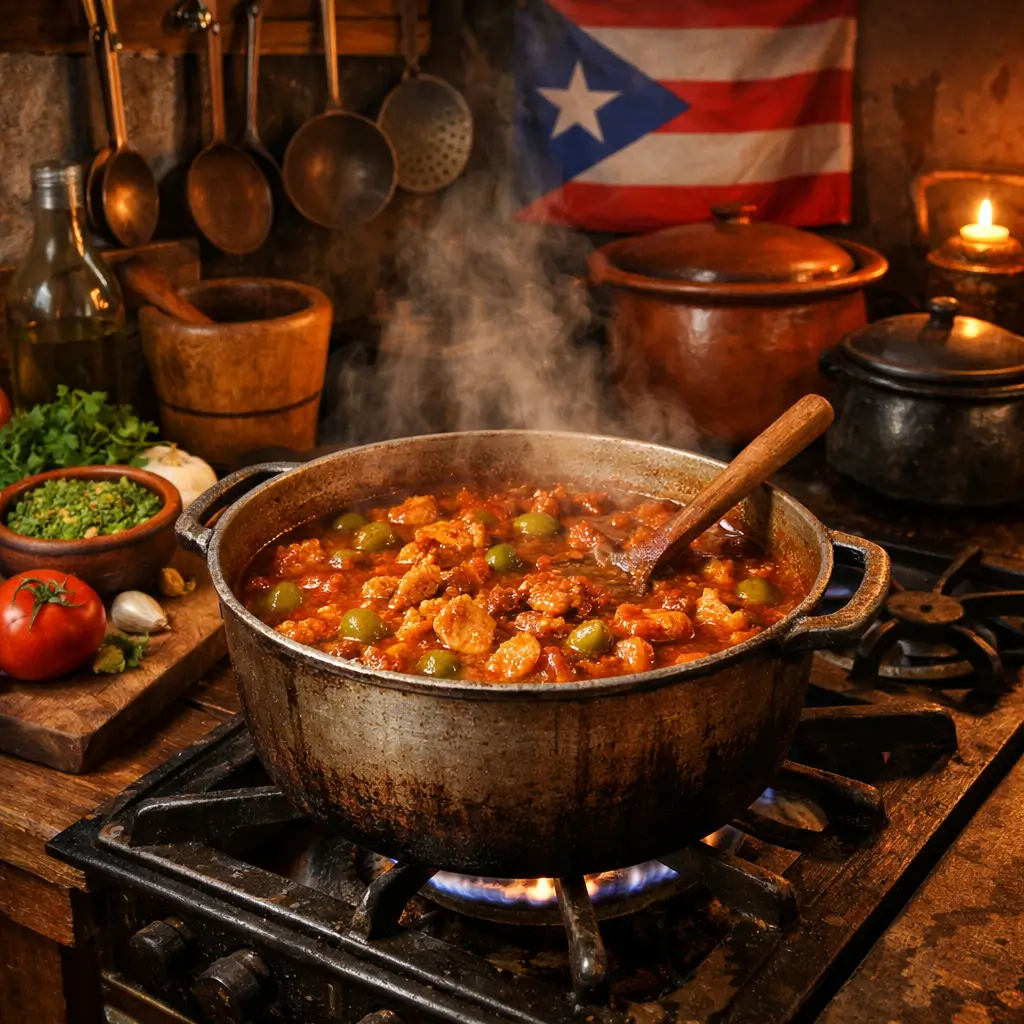
cuajito boricua is one of Puerto Rico’s most traditional comfort dishes, deeply rooted in home cooking, cultural gatherings, and festive celebrations across the island. Known for its rich flavor, hearty texture, and slow simmered depth, this classic tripe stew reflects the resourcefulness and culinary heritage of Puerto Rican cuisine. For many families, cuajito boricua is more than food it’s a connection to tradition, grandparents’ kitchens, and weekend meals shared around the table. In the United States, interest in authentic Puerto Rican recipes has grown, especially among home cooks looking to recreate genuine island flavors using ingredients available in local grocery stores.
cuajito boricua stands out because of its bold seasoning profile and unique preparation method. Made primarily with beef tripe, sofrito, olives, spices, and a savory tomato based broth, the dish offers a tender yet slightly chewy texture that becomes incredibly satisfying when cooked properly. While tripe can feel intimidating to beginners, learning how to clean, prepare, and season it correctly transforms it into a deeply flavorful centerpiece.
Traditionally served at holidays, family parties, or Sunday lunches, cuajito boricua pairs beautifully with white rice and avocado. This guide is designed for US based home cooks who want an authentic, approachable, and culturally respectful explanation of what cuajito boricua is, why it matters, and how to prepare it successfully at home without losing its traditional soul.
Curious why the Peruvian Pan Francés recipe is becoming a favorite among home bakers and what makes it so authentic? Click below to discover the simple technique behind this classic bread Peruvian Pan Francés Recipe Authentic Bread Made Easy
What Is Cuajito Boricua?
cuajito boricua is a traditional Puerto Rican stew made from beef tripe slowly cooked in a seasoned tomato based sauce with sofrito, olives, and warm Caribbean spices. Tripe comes from the stomach lining of a cow, and when prepared correctly, it becomes tender, flavorful, and deeply satisfying. In Puerto Rican kitchens, cuajito boricua is valued for its rich taste and comforting nature rather than speed or simplicity it is a dish meant to be cooked patiently and enjoyed slowly.
What sets cuajito boricua apart from other tripe dishes around the world is its seasoning base. Puerto Rican sofrito, made from culantro, peppers, onions, garlic, and herbs, forms the backbone of the stew. This is combined with tomato sauce, adobo, sazón, bay leaves, and Spanish olives, creating a savory, slightly tangy broth that balances the natural richness of the tripe. The result is bold but not overpowering, with layers of flavor that deepen as the dish simmers.
Texture is a major part of the experience. Properly cooked cuajito boricua should never be rubbery. Instead, the tripe becomes soft with a gentle chew that absorbs the sauce beautifully. This dish is commonly served with white rice, which helps soak up the flavorful broth, and is often accompanied by avocado or tostones.
For many Puerto Rican families, cuajito boricua represents tradition, resilience, and making something special from humble ingredients. It is especially popular at family gatherings, holidays, and weekends, when there is time to cook it slowly and enjoy it together.
Cultural Significance of Cuajito Boricua in Puerto Rican Cuisine
cuajito boricua holds a special place in Puerto Rican food culture because it reflects the island’s history of resourceful, family centered cooking. Dishes like this were born from the need to use every part of the animal, turning affordable ingredients into deeply satisfying meals. Over generations, cuajito boricua evolved from necessity into a beloved traditional dish that symbolizes home, patience, and culinary pride.
In Puerto Rico, cuajito boricua is not everyday fast food. It is usually prepared on weekends, during holidays, or for special family gatherings when there is time to cook slowly. Many people associate the aroma of simmering tripe with childhood memories, grandparents’ kitchens, and Sunday lunches. This emotional connection is one reason the dish remains popular despite modern food trends.
Within the United States, especially in Puerto Rican communities, cuajito boricua continues to serve as a cultural anchor. Preparing it at home helps preserve identity and tradition, especially for younger generations who may not have grown up on the island. Even when ingredients are sourced from US grocery stores, the cooking method and seasoning remain deeply traditional.
Below is a simple overview of when cuajito boricua is traditionally served and why it matters culturally:
| Occasion | Why Cuajito Boricua Is Served |
|---|---|
| Holidays | Celebrates tradition and family togetherness |
| Weekends | Allows time for slow cooking and sharing |
| Family parties | Feeds large groups affordably |
| Cultural events | Preserves Puerto Rican culinary identity |
Cuajito boricua is not just food it’s a story of heritage passed down through generations.
Flavor Profile and Texture of Cuajito Boricua
cuajito boricua is known for its bold, savory flavor and comforting, stew like richness. The taste is built slowly, starting with sofrito, which creates a fragrant base of herbs, peppers, onions, and garlic. As the dish simmers, tomato sauce, olives, spices, and bay leaves blend together, producing a broth that is deeply seasoned, slightly tangy, and unmistakably Puerto Rican. The olives add a subtle briny note that balances the richness of the tripe, while adobo and sazón give the stew warmth without overpowering it.
The texture of cuajito boricua is just as important as the flavor. When cooked correctly, tripe should never be tough or rubbery. Instead, it becomes tender with a gentle chew, similar to slow braised meat but with a unique mouthfeel. This texture allows the tripe to absorb the sauce, making every bite flavorful. Achieving this result requires proper cleaning and enough cooking time, which is why rushing the process often leads to disappointing results.
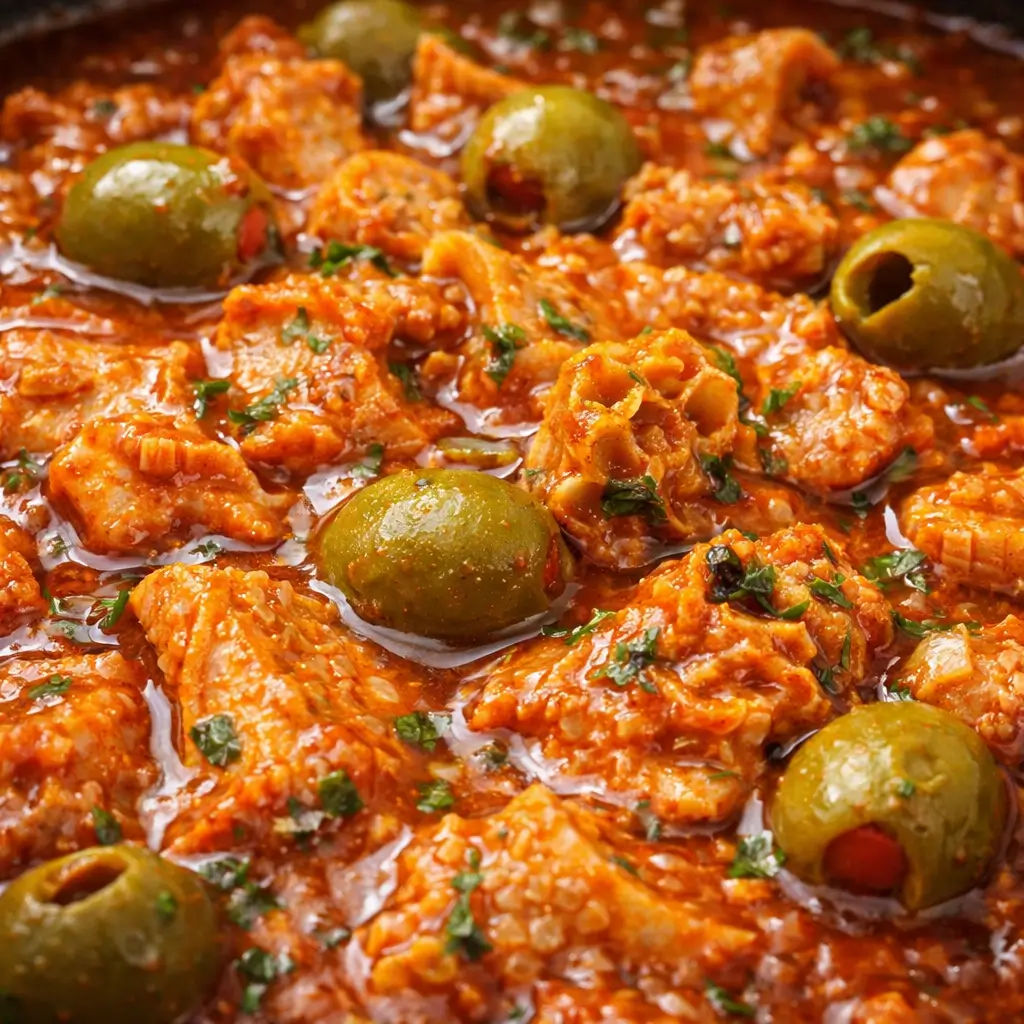
Many first time cooks are surprised by how comforting cuajito boricua tastes once prepared correctly. The long simmer transforms simple ingredients into a dish that feels rich and satisfying without being heavy. When served with white rice, the sauce soaks in beautifully, creating a balanced and filling meal.
Understanding the flavor and texture helps set realistic expectations and builds confidence for home cooks. Cuajito boricua is not about mild flavors or quick results it’s about depth, patience, and honoring tradition through taste.
Ingredients Needed for Authentic Cuajito Boricua
cuajito boricua relies on simple, traditional ingredients that work together to create deep flavor. Most of these items are easy to find in US grocery stores, especially Latin markets. The key is choosing good quality tripe and using authentic Puerto Rican seasonings. Each ingredient plays a specific role, from building the base flavor to enhancing texture and aroma.
Beef tripe is the star of the dish. It is usually sold pre cleaned in US stores, but it still requires additional cleaning at home to remove any strong odors. Sofrito provides the foundation of flavor, while tomato sauce adds richness and body to the stew. Olives, especially Spanish style green olives with pimentos, contribute saltiness and balance. Seasonings like adobo, sazón, bay leaves, and oregano bring warmth and depth.
Below is a breakdown of essential ingredients and their purpose in cuajito boricua:
| Ingredient | Purpose in the Dish |
|---|---|
| Beef tripe | Main protein and texture |
| Sofrito | Flavor base and aroma |
| Tomato sauce | Richness and color |
| Green olives | Salty, tangy balance |
| Adobo seasoning | Savory depth |
| Sazón | Color and seasoning |
| Bay leaves | Subtle herbal note |
| Olive oil | Sautéing and richness |
Using these ingredients correctly ensures the dish stays authentic while remaining accessible for US home cooks. Measuring and balancing flavors is more important than adding extra ingredients. Cuajito boricua shines when simplicity and tradition are respected.
How to Clean and Prepare Tripe Properly
cuajito boricua depends heavily on properly cleaned tripe, and this step is one of the most important parts of the recipe. Even though most beef tripe sold in US grocery stores is pre cleaned and bleached, it still benefits from additional preparation at home. Skipping or rushing this process can result in strong odors or unpleasant texture, which is one of the most common reasons people think they dislike tripe.
Start by rinsing the tripe thoroughly under cold running water. Use your hands to separate the folds and remove any residue. Many Puerto Rican cooks soak the tripe in water with white vinegar or lemon juice for 15 to 30 minutes to neutralize odors. After soaking, rinse it again several times until the water runs clear. This step helps ensure a clean, mild base flavor that will absorb the seasonings properly.
Next, cut the tripe into bite sized pieces. Keeping the pieces uniform helps them cook evenly. Some cooks prefer parboiling the tripe for 10 to 15 minutes before making cuajito boricua. This optional step further tenderizes the tripe and removes excess foam or impurities. If you parboil, drain and rinse the tripe once more before adding it to the stew.
Taking the time to clean and prepare tripe correctly makes a noticeable difference in the final dish. When done properly, cuajito boricua will have a pleasant aroma, tender texture, and clean flavor that highlights the seasoning rather than fighting against it.
Step by Step Cooking Instructions for Cuajito Boricua
cuajito boricua is best prepared slowly, allowing the flavors to build and the tripe to become tender. Once the tripe is properly cleaned and cut, the cooking process becomes straightforward and rewarding. This step by step method reflects traditional Puerto Rican home cooking while remaining practical for US kitchens.
Begin by heating olive oil in a large heavy bottomed pot or Dutch oven over medium heat. Add sofrito and sauté until fragrant, usually about two to three minutes. Stir in tomato sauce, adobo, sazón, oregano, and bay leaves, allowing the seasonings to bloom in the oil. This step creates a deep, flavorful base that defines cuajito boricua.
Next, add the prepared tripe and stir well so it is fully coated with the sauce. Add olives and enough water or broth to cover the tripe. Bring the mixture to a gentle boil, then reduce the heat to low. Cover and simmer for one and a half to two hours, stirring occasionally. The stew should cook slowly, never rapidly, to prevent toughness.
Below is a simple overview of the cooking process:
| Step | Action |
|---|---|
| 1 | Sauté sofrito in olive oil |
| 2 | Add tomato sauce and seasonings |
| 3 | Stir in tripe and olives |
| 4 | Add liquid and bring to a boil |
| 5 | Simmer on low until tender |
Taste and adjust seasoning near the end. When done, the tripe should be tender and the sauce thick and rich.
Traditional Cooking Tips for the Best Results
cuajito boricua rewards patience, and small details make a big difference in the final outcome. One of the most important tips is maintaining a gentle simmer. Cooking the tripe too quickly at high heat can cause it to tighten and become chewy. Low and slow cooking allows the connective tissue to soften, creating the tender texture this dish is known for.
Using a heavy pot with a tight fitting lid helps maintain even heat and prevents excess evaporation. Stir occasionally, but not too often, to avoid breaking down the tripe too much. If the sauce thickens too quickly, add small amounts of water or broth rather than increasing the heat. Cuajito boricua should always cook in liquid to keep the tripe moist.
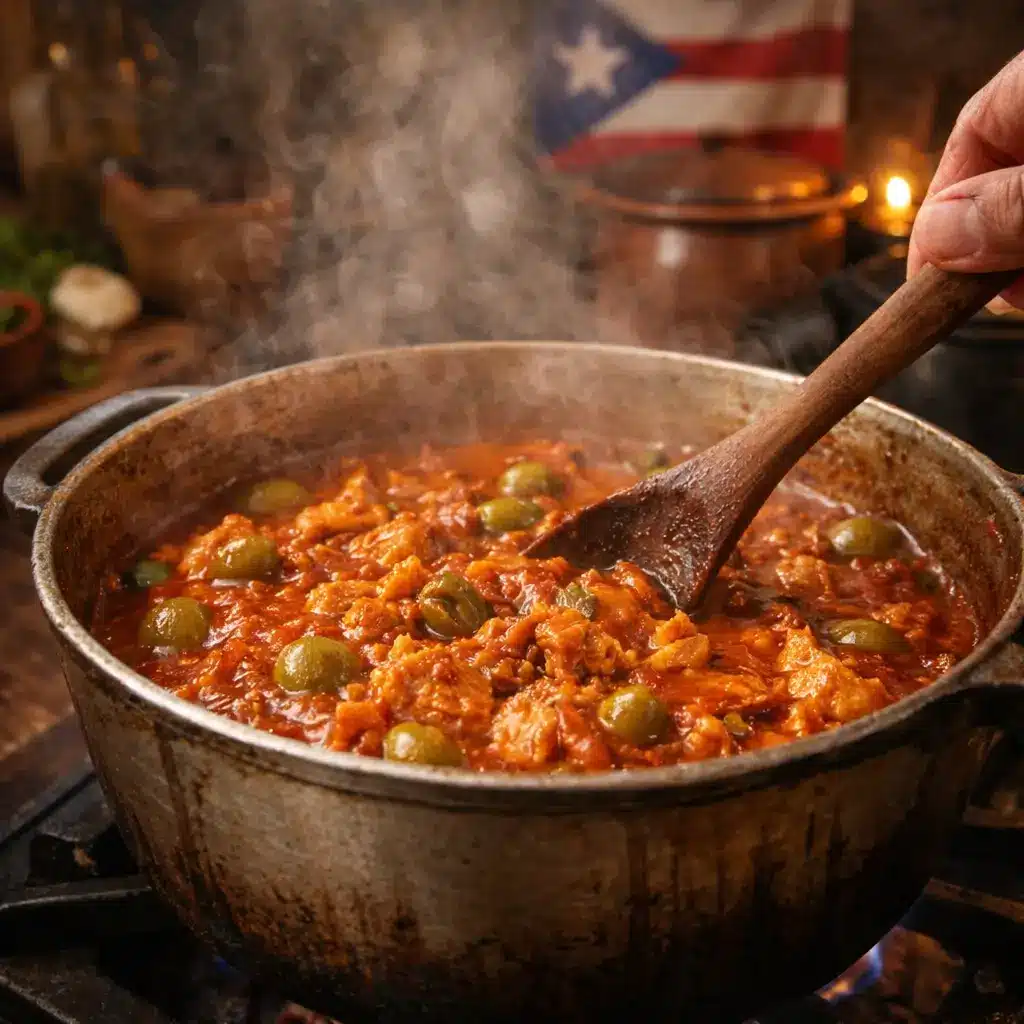
Seasoning should be built gradually. Because olives and adobo are salty, it’s best to taste near the end of cooking before adding extra salt. Many experienced cooks allow the stew to rest for 15 to 20 minutes after cooking. This resting period helps the flavors settle and intensify.
Another traditional tip is to make cuajito boricua a day ahead. Like many stews, it tastes even better the next day after the flavors have had time to meld. Reheat gently on the stove, adding a little water if needed.
These techniques are commonly passed down through generations and help ensure consistent, authentic results that reflect true Puerto Rican home cooking.
Ingredient Substitutions Available in US Stores
cuajito boricua can be prepared authentically in the United States even when certain traditional ingredients are harder to find. While sticking close to classic ingredients is ideal, thoughtful substitutions allow home cooks to maintain flavor and cultural integrity without frustration.
If fresh Puerto Rican sofrito ingredients like culantro are unavailable, store bought sofrito from the Latin foods aisle is a reliable option. Look for brands labeled “Puerto Rican style” rather than generic versions. In the absence of culantro, a mix of cilantro and a small amount of parsley can provide a similar herbal profile. Tomato sauce can be replaced with canned crushed tomatoes if needed, though the sauce may require longer simmering to thicken properly.
Spanish green olives with pimentos are traditional, but plain green olives can work in a pinch. Avoid black olives, as they change the flavor profile significantly. If sazón packets are unavailable, a combination of annatto powder, garlic powder, and ground coriander can help replicate the color and seasoning.
Below is a quick substitution guide for US kitchens:
| Traditional Ingredient | US Friendly Substitute |
|---|---|
| Fresh culantro | Cilantro + parsley |
| Puerto Rican sofrito | Store bought sofrito |
| Sazón packets | Annatto + spices |
| Spanish olives | Green olives |
These substitutions make cuajito boricua accessible without sacrificing its authentic spirit.
Common Mistakes to Avoid When Making Cuajito Boricua
cuajito boricua is a forgiving dish, but there are a few common mistakes that can significantly affect the final result. One of the most frequent errors is under cleaning the tripe. Even pre cleaned tripe needs extra rinsing and soaking. Skipping this step can lead to strong odors and off putting flavors that no amount of seasoning can fix.
Another mistake is cooking the tripe too quickly. High heat may seem like a way to save time, but it often causes the tripe to become tough and rubbery. Cuajito boricua requires a slow simmer so the tripe can soften properly and absorb the sauce. Patience is essential for achieving the correct texture.
Over seasoning early in the process is also common. Ingredients like olives, adobo, and sazón already contain salt. Adding extra salt too soon can result in an overly salty stew. It’s best to wait until the end of cooking to adjust seasoning. Similarly, using too many non traditional ingredients can overpower the dish and take it away from its authentic flavor profile.
Finally, some cooks rush to serve the stew immediately. Allowing cuajito boricua to rest before serving or even making it a day ahead greatly improves flavor. Avoiding these mistakes helps ensure a dish that is tender, balanced, and true to Puerto Rican tradition.
How Cuajito Boricua Is Traditionally Served
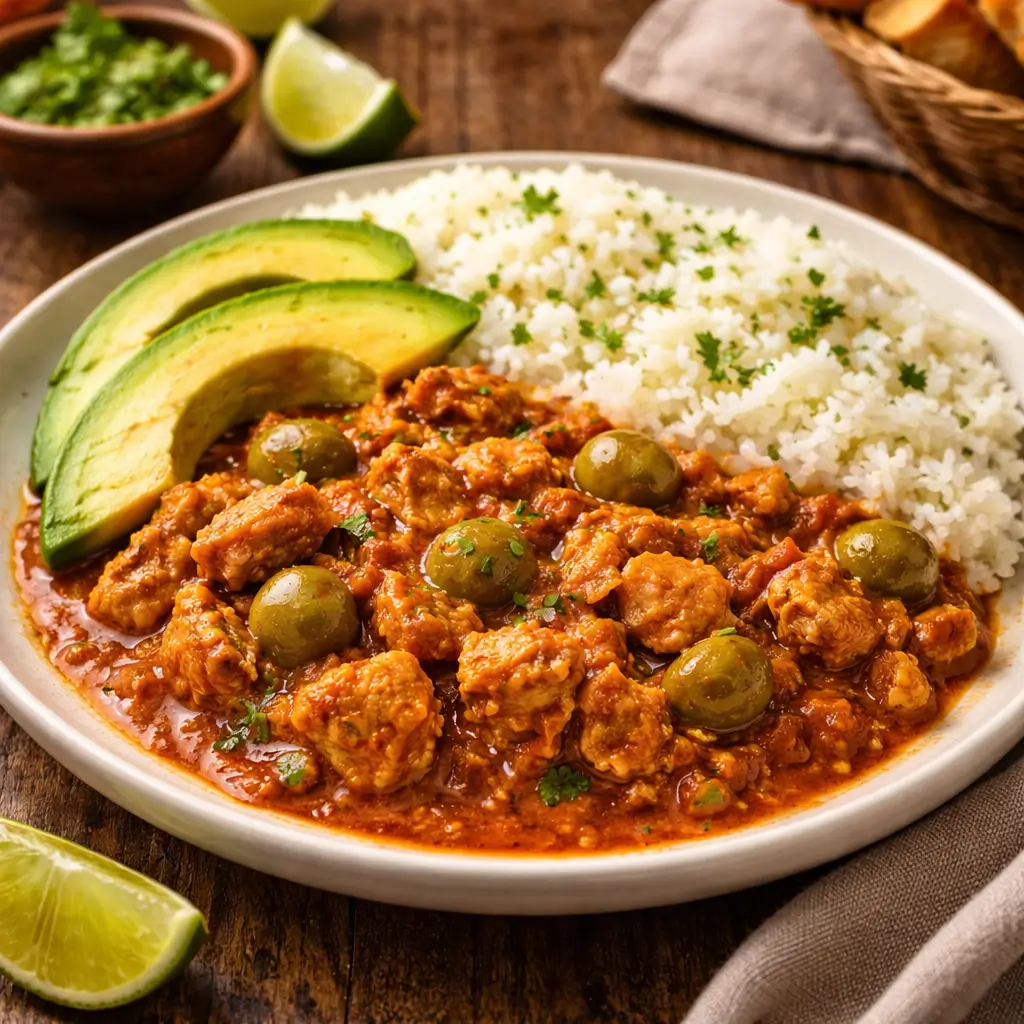
cuajito boricua is traditionally served as a hearty main dish, most often accompanied by simple sides that allow the rich stew to shine. In Puerto Rican households, white rice is the most common pairing. The rice absorbs the flavorful sauce, making each bite satisfying without overpowering the dish. This combination is considered classic and is rarely replaced.
Avocado slices are another traditional accompaniment. Their creamy, mild flavor balances the bold seasoning of the stew and adds freshness to the plate. Some families also serve cuajito boricua with tostones or pan sobao on the side, especially during gatherings where multiple dishes are shared.
Below is a traditional serving guide:
| Side Dish | Purpose |
|---|---|
| White rice | Absorbs sauce and balances flavors |
| Avocado | Adds freshness and creaminess |
| Tostones | Provides texture contrast |
| Pan sobao | Ideal for soaking up sauce |
Cuajito boricua is typically served hot and enjoyed slowly. It’s not rushed food it’s meant for relaxed meals with family. Presentation is usually simple, reflecting the dish’s humble roots. The focus is always on flavor, warmth, and sharing a comforting meal that connects people to tradition.
Storage, Reheating, and Leftover Tips
cuajito boricua stores very well, which is one reason many families intentionally make a large batch. After cooking, allow the stew to cool to room temperature before storing. Transfer it to an airtight container and refrigerate within two hours. When stored properly, cuajito boricua will keep safely in the refrigerator for up to four days while maintaining its flavor and texture.
Reheating should always be done gently. Place the stew in a pot over low to medium heat and add a small amount of water or broth if the sauce has thickened too much. Stir occasionally to prevent sticking and ensure even heating. Avoid high heat, as it can cause the tripe to toughen. Microwaving is possible, but stovetop reheating produces better results and preserves texture.
Cuajito boricua also freezes well. Portion it into freezer safe containers, leaving space for expansion. It can be frozen for up to three months. Thaw overnight in the refrigerator before reheating slowly on the stove.
Leftovers often taste even better the next day as the flavors deepen. This makes cuajito boricua an excellent make ahead dish for busy weeks, family gatherings, or meal planning without sacrificing authenticity.
When and Why Cuajito Boricua Is Still Popular Today
cuajito boricua continues to be popular because it represents comfort, tradition, and cultural identity in a rapidly changing food landscape. In Puerto Rican households, especially within the United States, this dish connects generations by preserving flavors and cooking methods passed down over time. Preparing cuajito boricua at home allows families to maintain a tangible link to their roots, even when living far from the island.
Today, many home cooks are rediscovering traditional recipes that emphasize slow cooking and intentional preparation. Cuajito boricua fits perfectly into this movement. Its long simmering time encourages patience and care, values that are often missing from modern convenience focused meals. The dish also aligns with the growing appreciation for nose to tail cooking, which emphasizes reducing food waste by using all parts of the animal.
Below is a snapshot of why cuajito boricua remains relevant:
| Reason | Cultural Importance |
|---|---|
| Tradition | Preserves Puerto Rican heritage |
| Comfort | Offers warmth and familiarity |
| Affordability | Uses budget friendly ingredients |
| Flavor | Delivers deep, slow cooked taste |
Whether served at holidays, family reunions, or weekend meals, cuajito boricua remains a symbol of resilience and pride. Its continued popularity proves that authentic, culturally rooted dishes will always have a place at the table.
Advanced Tips and Mistakes Even Experienced Cooks Make
cuajito boricua may seem straightforward once you’ve made it a few times, but even experienced cooks can overlook small details that affect the final dish. One advanced tip is paying attention to liquid levels throughout cooking. Too much liquid can dilute the flavor, while too little can cause the stew to dry out or burn. The sauce should be thick but still spoonable, clinging gently to the tripe.
Another common mistake is underestimating resting time. Experienced cooks know that cuajito boricua benefits from sitting off the heat before serving. Allowing the stew to rest for at least 15 minutes helps the flavors settle and improves overall balance. Some cooks skip this step and miss out on a deeper, more cohesive taste.
Using the wrong pot is another issue. Thin pots heat unevenly and can scorch the bottom, which introduces bitterness. A heavy bottomed pot or Dutch oven provides consistent heat and better results. Also, resist the urge to constantly stir. Overstirring can break down the tripe and affect texture.
Finally, experienced cooks sometimes over customize the recipe. Adding non traditional spices, vegetables, or meats can overpower the dish and take it away from its cultural roots. Cuajito boricua shines when its simplicity is respected. Mastery comes from refining technique, not adding complexity.
Conclusion
Cuajito boricua is more than a recipe it is a reflection of Puerto Rican history, tradition, and home cooking. This dish transforms humble ingredients into a rich, comforting meal through patience, proper technique, and respect for cultural roots. Learning how to clean tripe, build flavor with sofrito, and cook slowly allows home cooks in the United States to experience authentic Puerto Rican cuisine in their own kitchens.
Whether served at holidays, family gatherings, or quiet weekend meals, cuajito boricua brings warmth and connection to the table. By following traditional methods and avoiding common mistakes, anyone can prepare a flavorful, tender stew that honors its origins. Cuajito boricua continues to endure because it represents resilience, community, and the power of food to preserve identity across generations.
FAQs
Frequently Asked Questions About Cuajito Boricua
1. What is cuajito boricua made of?
Cuajito boricua is made primarily with beef tripe cooked slowly in a tomato based sauce with sofrito, olives, adobo, sazón, and bay leaves. The combination creates a rich, savory stew that is deeply rooted in Puerto Rican cuisine and tradition.
2. Does cuajito boricua have a strong smell?
When prepared correctly, cuajito boricua should not have a strong or unpleasant smell. Properly cleaning and soaking the tripe before cooking removes odors and allows the seasonings to shine.
3. Is cuajito boricua hard to make at home?
Cuajito boricua is not difficult, but it does require patience. The steps are simple, and the key is slow cooking and proper preparation rather than advanced cooking skills.
4. How long does cuajito boricua take to cook?
Most recipes take about two hours of simmering time. This allows the tripe to become tender and absorb the flavors of the sauce.
5. Can I make cuajito boricua in advance?
Yes, cuajito boricua is ideal for making ahead. Many people believe it tastes even better the next day after the flavors have fully developed.
6. Is cuajito boricua spicy?
Cuajito boricua is savory, not spicy. The seasoning is flavorful but mild, making it suitable for most palates.
7. Where can I buy tripe in the US?
Tripe is commonly available at Latin grocery stores, international markets, and some larger US supermarkets, usually in the meat section.
8. Can I freeze cuajito boricua?
Yes, it freezes well for up to three months when stored in airtight containers.
9. What do you serve with cuajito boricua?
White rice and avocado are the most traditional sides, helping balance the rich stew.
10. Is cuajito boricua traditional Puerto Rican food?
Yes, cuajito boricua is a classic Puerto Rican dish with deep cultural and family significance.
Follow us on Pinterest
cuajito boricua rich & authentic island comfort food
Ingredients
Method
- Rinse and soak tripe with vinegar or lemon, then rinse again.
- Heat olive oil in a heavy pot and sauté sofrito until fragrant.
- Add tomato sauce, seasonings, bay leaves, and olives.
- Stir in tripe until coated.
- Add liquid, bring to a boil, then simmer covered on low for 2 hours.
- Adjust seasoning and rest before serving.
Notes
- Clean the tripe very well before cooking. Rinse with water and a little vinegar or lemon to reduce strong odors.
- Pre-cook until tender tripe needs slow simmering to become soft. Rushing this step can leave it chewy.
- Season generously. Traditional flavors include garlic, oregano, sofrito, and bay leaves for a rich taste.
- Low and slow is key. Let the stew simmer gently so the flavors blend beautifully.
- Adjust the thickness by adding a little broth if it becomes too thick while cooking.
- Taste before serving and adjust salt and spices as needed.
- Even better the next day! Like many stews, cuajito tastes richer after resting overnight.
- Serve hot with white rice, tostones, or crusty bread for a comforting meal.