
peruvian pan frances recipe searches are usually driven by home bakers who want to recreate the light, crusty bread that appears on breakfast tables and sandwich shops all across Peru. Pan francés is not French bread in the traditional European sense; instead, it is Peru’s own everyday white bread, known for its thin, crackly crust and soft, airy interior. It is affordable, simple, and deeply tied to daily life, often eaten fresh in the morning with butter, jam, or used to make classic sandwiches. Learning how to bake it at home allows you to enjoy that same bakery fresh experience using ingredients easily found in the United States.
peruvian pan frances recipe guides should focus on technique rather than complexity, because the magic of this bread comes from proper fermentation, shaping, and baking temperature not from fancy ingredients. In Peru, pan francés is typically made with flour, water, yeast, salt, and a small amount of sugar or fat, then baked hot to achieve its signature texture. This article is designed to walk you through everything step by step, even if you are a beginner baker.
You will learn what makes this bread authentic, how it differs from baguettes or rolls, and how to adapt the process to a standard U.S. home oven. By the end, you will have a reliable method for baking pan francés that tastes authentic, stores well, and works perfectly for breakfast, sandwiches, or alongside meals.
What Is Pan Francés in Peru?
Peruvian pan francés is the most common everyday bread found in bakeries across Peru, despite its misleading name. Unlike traditional French baguettes, this bread is smaller, softer inside, and baked to be eaten the same day it is made. Locals often buy it fresh every morning, sometimes still warm, and enjoy it at breakfast or as the base for sandwiches throughout the day. Understanding what pan francés truly is helps explain why the recipe focuses on simplicity and technique rather than rich ingredients.
The defining characteristics of pan francés are its thin, lightly crisp crust and fluffy, airy crumb. The dough is typically lean, meaning it uses very little fat and relies on proper fermentation to develop flavor and structure. In Peru, bakeries often use high heat ovens, which create fast oven spring and that signature crackly exterior. At home, this effect can be replicated with a hot oven and steam during baking.
Another important aspect of a peruvian pan frances recipe is texture. The bread should be easy to tear apart, not chewy like a baguette or dense like dinner rolls. This makes it ideal for popular Peruvian sandwiches such as pan con pollo or pan con jamón. Its neutral flavor also pairs well with sweet toppings like butter and fruit preserves or savory fillings like cheese and eggs.
Because pan francés is meant to be accessible, the ingredients are basic and affordable. This makes it perfect for home bakers in the United States who want authentic results without specialty flours or equipment. Once you understand its purpose and characteristics, baking it correctly becomes much easier and more rewarding.
Ingredients for an Authentic Peruvian Pan Francés Recipe
A successful peruvian pan frances recipe depends on using the right basic ingredients in the correct proportions. One reason this bread is so popular in Peru is because it is made from pantry staples that are inexpensive and easy to find. When baked correctly, these simple ingredients create a loaf with a crisp crust and soft interior that defines authentic pan francés.
In Peru, most bakeries use standard white wheat flour with moderate protein. For home bakers in the United States, all purpose flour works extremely well and produces results closest to what you would find in a Peruvian bakery. Bread flour can also be used, but it may result in a slightly chewier crumb, which is less traditional for a peruvian pan frances recipe. Yeast provides lift and structure, while salt enhances flavor and strengthens the dough. A small amount of sugar helps feed the yeast and promotes light browning, even though the bread itself should not taste sweet.
Water temperature matters more than many beginners realize. Lukewarm water helps activate yeast without killing it, ensuring proper fermentation. Some recipes include a small amount of vegetable oil or shortening, which is common in Peruvian bakeries to keep the crumb soft. This step is optional but recommended for beginners aiming for authentic texture.
Below is a clear ingredient breakdown designed for U.S. kitchens while staying true to a traditional peruvian pan frances recipe.
| Ingredient | Amount | Purpose |
|---|---|---|
| All purpose flour | 4 cups | Structure and crumb |
| Warm water | 1 ½ cups | Hydration and yeast activation |
| Active dry yeast | 2 ¼ tsp | Leavening |
| Sugar | 1 tbsp | Yeast activation |
| Salt | 1 ½ tsp | Flavor and dough strength |
| Vegetable oil | 1 tbsp | Soft interior texture |
Using these ingredients correctly sets the foundation for perfect pan francés at home.
Step by Step Dough Preparation
Making an authentic peruvian pan frances recipe starts with proper dough preparation, which determines the final texture and flavor of the bread. This process is simple, but attention to detail is essential to achieve the soft crumb and light crust that pan francés is known for in Peru. Even beginner bakers can succeed by following each step carefully.
Begin by activating the yeast. In a large mixing bowl, combine the warm water and sugar, then sprinkle the yeast over the top. Let it rest for about 5 to 10 minutes until the mixture becomes foamy. This step confirms that the yeast is alive and ready, which is critical for any peruvian pan frances recipe to rise correctly. If the mixture does not foam, the yeast may be expired or the water too hot or cold.
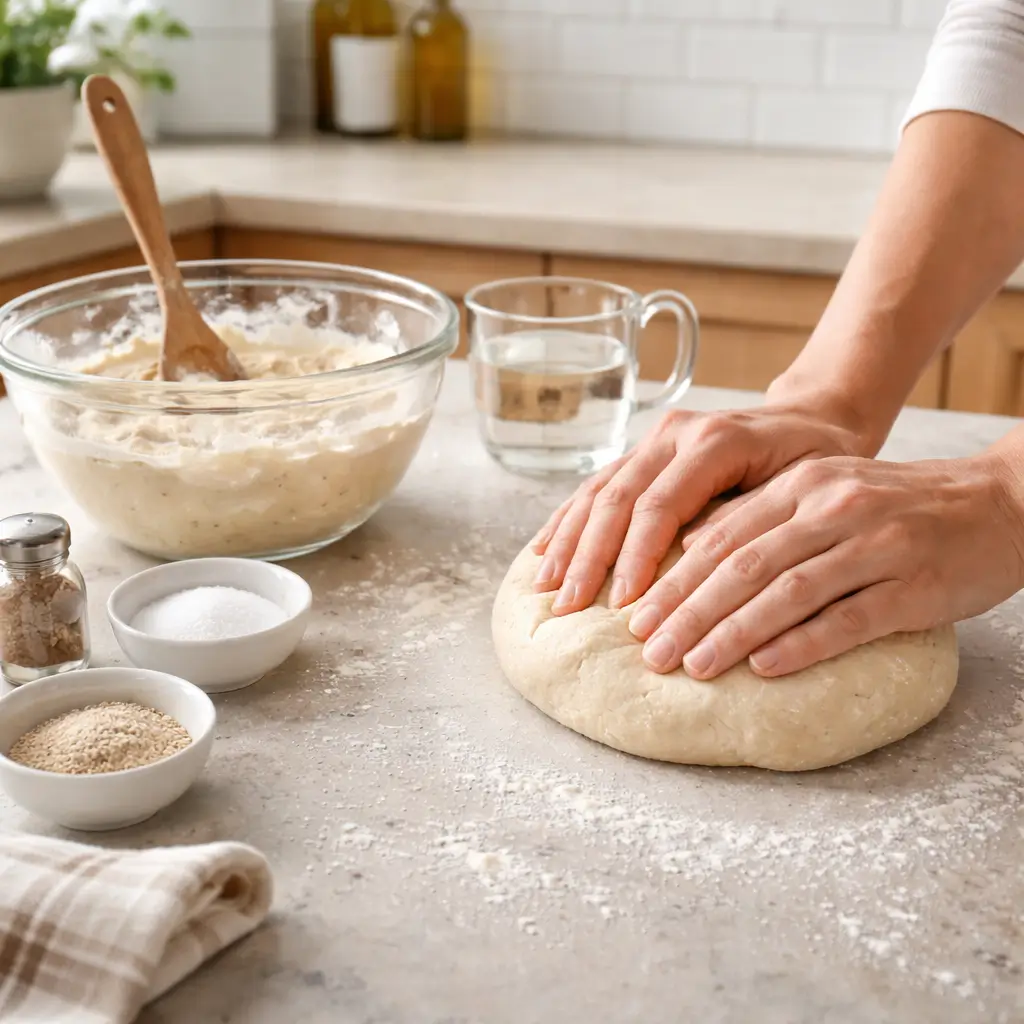
Next, add the flour and salt to the bowl, followed by the vegetable oil if using. Mix until a shaggy dough forms, then transfer it to a clean surface. Knead the dough for 8 to 10 minutes, using the heel of your hand to push it forward and folding it back repeatedly. The dough should become smooth, elastic, and slightly tacky but not sticky. Proper kneading helps create the airy interior that defines a traditional peruvian pan frances recipe.
Once kneaded, shape the dough into a ball and place it in a lightly oiled bowl. Cover it with a clean kitchen towel or plastic wrap. Let it rise in a warm, draft free area for about 60 to 90 minutes, or until doubled in size. This first rise develops flavor and structure, setting the stage for perfectly baked pan francés.
Shaping and Second Rise for Pan Francés
Shaping is a critical step in any peruvian pan frances recipe because it directly affects the bread’s final appearance, crumb structure, and how evenly it bakes. After the dough has doubled in size during the first rise, gently punch it down to release excess gas without overworking it. This keeps the interior light and prevents large air pockets that can distort the shape.
Divide the dough into equal portions, usually 6 to 8 pieces depending on the size you want. Traditional pan francés rolls are small to medium in size, perfect for individual servings. Take each piece and flatten it slightly, then roll it tightly into a short log or oval shape. Pinch the seam closed on the bottom to maintain tension on the surface. This surface tension helps the dough rise upward instead of spreading outward, which is essential for a proper peruvian pan frances recipe result.
Place the shaped dough pieces seam side down on a baking sheet lined with parchment paper. Leave enough space between each piece so they can expand during the second rise. Lightly cover them with a towel and let them rise again for 30 to 45 minutes. During this time, the dough should puff up noticeably but still spring back slightly when gently pressed.
Right before baking, use a sharp knife or razor blade to make a shallow slash across the top of each roll. This allows controlled expansion in the oven and contributes to the classic look of pan francés. Proper shaping and resting ensure your peruvian pan frances recipe bakes evenly with a soft interior and light crust.
Baking Instructions for a Perfect Crust
Baking is where a peruvian pan frances recipe truly comes to life. The goal is to create a thin, lightly crisp crust while keeping the inside soft and airy. To achieve this at home, oven temperature and steam are more important than baking time alone. Start by preheating your oven to 425°F at least 30 minutes before baking so the heat is consistent and strong.
Place an empty metal pan or oven safe skillet on the lower rack while the oven heats. This will be used to create steam, which is essential for a proper peruvian pan frances recipe crust. Once the shaped rolls have finished their second rise and are slashed on top, place the baking sheet on the middle rack. Carefully pour one cup of hot water into the empty pan below and immediately close the oven door. The steam helps the dough expand rapidly, giving the bread its light texture and glossy finish.
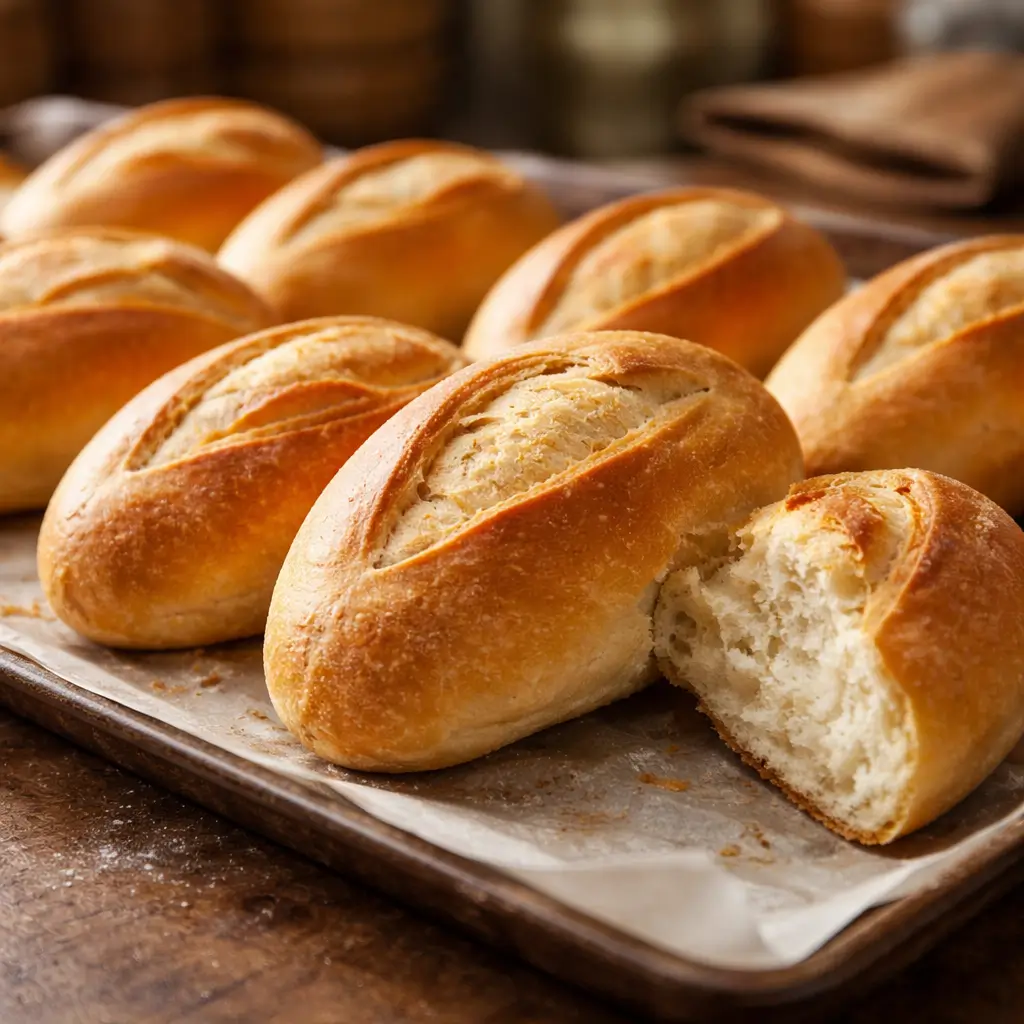
Bake the pan francés for 15 to 18 minutes, rotating the tray halfway through for even browning. The bread should be lightly golden, not dark or overly crisp. Avoid overbaking, as this can dry out the interior and make the crust too hard, which is not traditional for a peruvian pan frances recipe. When tapped on the bottom, the rolls should sound hollow, indicating they are fully baked.
Remove the bread from the oven and transfer it to a wire rack to cool slightly. Letting the rolls rest for at least 10 minutes allows the crumb to set while maintaining softness. Freshly baked pan francés is best enjoyed warm the same day for the most authentic experience.
How to Serve Peruvian Pan Francés
A well made peruvian pan frances recipe is valued not only for how it bakes, but also for how versatile it is at the table. In Peru, pan francés is eaten throughout the day, but it is especially popular for breakfast and simple meals. Its mild flavor and soft interior make it an ideal base for both sweet and savory toppings, which is why it remains a household staple.
For breakfast, a fresh peruvian pan frances recipe is often split open and spread with butter, jam, or manjar blanco. Many families pair it with coffee, hot chocolate, or milk. Because the crumb is soft, the bread absorbs spreads easily without falling apart. At lunchtime, pan francés is commonly used for sandwiches filled with ham, cheese, eggs, or shredded chicken. The thin crust provides structure without overpowering the filling, which is a key reason this bread is preferred over denser rolls.
Pan francés also works well as a side for soups and stews. When baked using a proper peruvian pan frances recipe, the bread can be torn and dipped without becoming overly soggy. For U.S. home cooks, this makes it a great alternative to dinner rolls or sandwich buns.
Below are common serving ideas and when they are typically enjoyed:
| Serving Style | Typical Time | Popular Pairings |
|---|---|---|
| Butter & jam | Breakfast | Coffee, milk |
| Ham & cheese sandwich | Lunch | Fruit, juice |
| Egg sandwich | Breakfast/brunch | Coffee |
| Side for soup | Dinner | Chicken or beef soup |
No matter how it’s served, a fresh peruvian pan frances recipe delivers comfort and authenticity in every bite.
Ingredient Substitutions for U.S. Kitchens
One advantage of a peruvian pan frances recipe is how adaptable it is for home bakers in the United States. While traditional Peruvian bakeries use locally milled flour and commercial ovens, you can still achieve authentic results using common U.S. grocery store ingredients. Understanding smart substitutions helps maintain the correct texture and flavor without compromising authenticity.
Flour is the most important substitution to get right. All purpose flour sold in the U.S. is the best match for a classic peruvian pan frances recipe because it produces a soft crumb. If you only have bread flour, you can still use it, but reduce kneading time slightly to avoid a chewy texture. Avoid whole wheat flour unless blending it with white flour, as 100% whole wheat changes the bread’s structure and taste significantly.
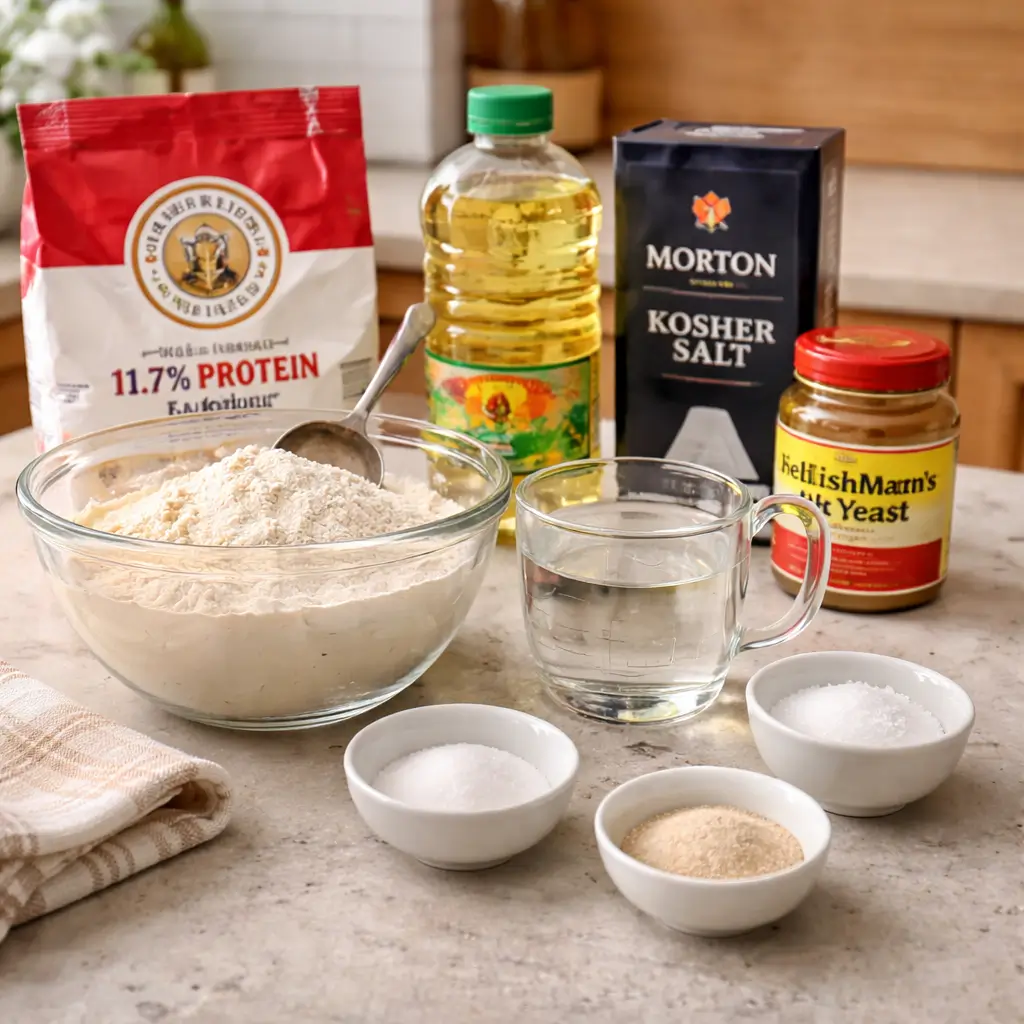
Yeast substitutions are also simple. Active dry yeast and instant yeast both work well in a peruvian pan frances recipe. If using instant yeast, you can skip the proofing step and mix it directly with dry ingredients, though proofing still helps beginners confirm yeast activity. Sugar can be replaced with honey in equal amounts, but keep it minimal so the bread does not turn sweet.
Vegetable oil is traditional, but neutral oils like canola or sunflower oil work perfectly. Butter can be used in small amounts, but it will slightly change the crumb and flavor. For dairy free diets, stick with oil based fats, which are closer to bakery style pan francés.
Even water quality matters. If your tap water is heavily chlorinated, filtered water may improve yeast performance. With these substitutions, your peruvian pan frances recipe stays authentic while fitting seamlessly into a U.S. kitchen.
Common Mistakes to Avoid When Making Pan Francés
Even though a peruvian pan frances recipe uses simple ingredients, small mistakes can significantly affect the final result. Many home bakers assume bread failed because of the recipe, when in reality the issue is usually technique. Understanding these common errors will help you consistently bake pan francés with the correct texture and flavor.
One frequent mistake in a peruvian pan frances recipe is using water that is too hot. Yeast is sensitive, and water over 120°F can kill it instantly, preventing the dough from rising. Always aim for lukewarm water that feels warm but not hot to the touch. Another common problem is adding too much flour during kneading. While the dough should not be sticky, adding excess flour leads to dense, dry bread instead of the soft crumb pan francés is known for.
Overproofing is another issue that affects many peruvian pan frances recipe attempts. If the dough rises too long during the first or second rise, it can collapse in the oven, resulting in flat bread with poor structure. The dough should double in size, not triple. Timing matters more than the clock watch the dough, not the minutes.
Baking temperature mistakes are also common. A low oven temperature prevents proper oven spring and crust development. A peruvian pan frances recipe requires high heat at the start, along with steam, to mimic bakery conditions. Skipping steam often results in a dull, tough crust.
Finally, slicing the bread too soon can ruin texture. Letting pan francés rest briefly after baking allows moisture to redistribute. Avoiding these mistakes ensures your peruvian pan frances recipe produces authentic, bakery style results every time.
Storage, Freshness, and Reheating Tips
A peruvian pan frances recipe is best enjoyed fresh, ideally the same day it is baked, just as it is in Peru. Because this bread is made with a lean dough and minimal fat, it naturally dries out faster than enriched breads. Understanding how to store and reheat it properly helps you preserve its soft interior and light crust for as long as possible.
For short term storage, keep pan francés at room temperature in a paper bag or loosely wrapped in a clean kitchen towel. Avoid airtight plastic bags on the first day, as they trap moisture and soften the crust too much. If you follow a proper peruvian pan frances recipe, the bread should stay pleasant for up to 24 hours when stored correctly at room temperature.
If you need to store it longer, freezing is the best option. Once the bread has cooled completely, wrap each roll tightly in plastic wrap and place them in a freezer safe bag. Frozen pan francés can last up to two months without significant quality loss. This method works especially well if you bake a larger batch using a peruvian pan frances recipe and want fresh bread on demand.
Reheating is simple and effective. Place frozen or day old pan francés in a 350°F oven for 5 to 8 minutes. This revives the crust slightly while warming the interior. Avoid microwaving, as it makes the bread rubbery. With proper storage and reheating, your peruvian pan frances recipe remains enjoyable beyond the day it’s baked.
Nutrition and Portion Planning
Understanding the nutritional profile of a peruvian pan frances recipe helps home bakers plan portions and fit this bread into everyday meals. Pan francés is a simple, lean bread made without heavy fats or dairy, which keeps it relatively moderate in calories compared to enriched rolls or brioche style breads. In Peru, it is commonly eaten in small portions, often one roll per serving.
A standard roll made from a traditional peruvian pan frances recipe provides carbohydrates for energy, a small amount of protein from wheat flour, and minimal fat. Because it is not sweetened heavily, it works well for both savory and sweet meals without causing sugar spikes associated with pastries. For U.S. households focused on balanced eating, pan francés can easily be paired with protein rich fillings like eggs, chicken, or cheese to create a satisfying meal.
Portion control matters, especially if pan francés is eaten daily. Keeping the rolls small and pairing them with nutrient dense foods makes this bread a practical option rather than an indulgence. Below is a general nutritional estimate for one medium roll made using a classic peruvian pan frances recipe.
| Nutrient | Approx. Amount per Roll |
|---|---|
| Calories | 160–180 |
| Carbohydrates | 32–35 g |
| Protein | 5–6 g |
| Fat | 2–3 g |
| Fiber | 1–2 g |
These values may vary depending on ingredient choices and size, but they provide a realistic baseline. When enjoyed mindfully, a peruvian pan frances recipe fits comfortably into a balanced U.S. diet.
Why Pan Francés Is So Popular in Peru
The popularity of a peruvian pan frances recipe goes far beyond taste; it is rooted in culture, affordability, and daily routine. In Peru, pan francés is not considered a specialty bread but a daily essential. Bakeries produce it fresh every morning, and families often buy it by the bag to last through breakfast and lunch. Its simplicity makes it accessible to people from all backgrounds, which is a key reason it has remained a staple for generations.
Another reason the peruvian pan frances recipe is so widely loved is its versatility. The neutral flavor allows it to pair equally well with sweet or savory foods. From butter and jam at breakfast to hearty sandwiches filled with eggs, chicken, or ham, pan francés adapts easily to different meals without overpowering other flavors. This flexibility makes it more practical than heavily seasoned or dense breads.
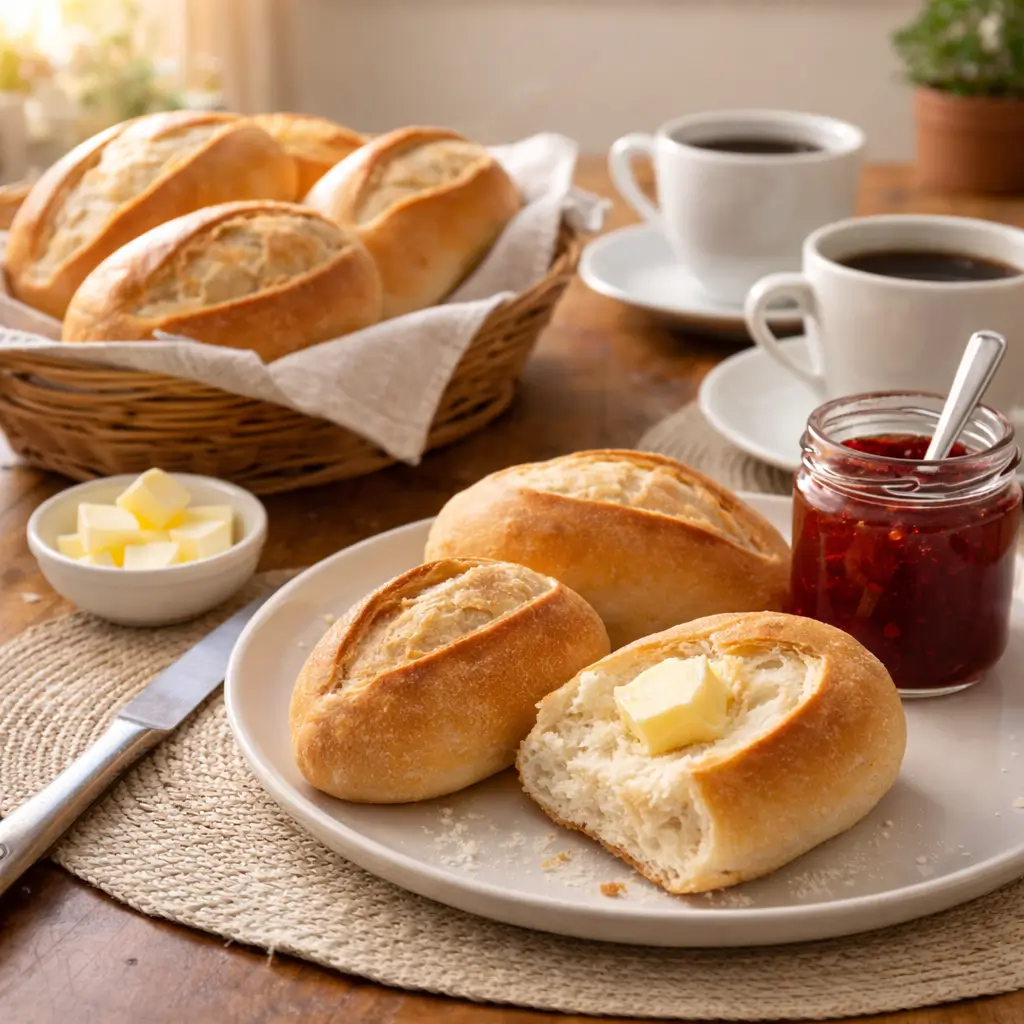
Texture also plays an important role. A well made peruvian pan frances recipe produces bread that is soft enough for children and older adults, yet sturdy enough for fillings. Unlike crusty European baguettes, pan francés is easy to bite into, which suits everyday eating rather than formal meals.
Finally, tradition matters. Many Peruvians grow up eating pan francés daily, creating strong emotional ties to its aroma and taste. Baking it at home using an authentic peruvian pan frances recipe allows U.S. home bakers to experience a meaningful part of Peruvian food culture while enjoying fresh, comforting bread made from simple ingredients.
Variations and Flavor Adjustments
A traditional peruvian pan frances recipe is intentionally simple, but small variations are sometimes used to suit different tastes or baking environments. In Peru, bakeries may adjust hydration, shaping, or size depending on local preference, while still keeping the bread recognizable as pan francés. At home, these variations allow flexibility without losing authenticity.
One common variation of a peruvian pan frances recipe is adjusting size. Smaller rolls are popular for breakfast, while slightly larger ones work better for sandwiches. The dough itself remains the same; only the portioning changes. Another mild adjustment involves adding a tiny amount of extra oil, which can make the crumb softer for those who prefer a more tender bite. This is especially useful in drier U.S. climates where bread can lose moisture quickly.
Some home bakers lightly dust the exterior with flour before baking to enhance visual appeal, though traditional pan francés is usually baked without heavy flour on the crust. You can also experiment with baking time by one or two minutes to fine tune crust color, but avoid dark browning, as it strays from the classic peruvian pan frances recipe texture.
It is important to avoid heavy additions like herbs, cheese, or sugar if authenticity is your goal. These ingredients turn the bread into something else entirely. The strength of a peruvian pan frances recipe lies in restraint. Mastering the basic version first ensures you understand the dough, fermentation, and baking process before making any subtle personal adjustments.
Advanced Tips and Expert Mistakes to Avoid
Perfecting a peruvian pan frances recipe often comes down to small technical details that experienced bakers learn over time. One advanced tip is controlling dough hydration. Slightly wetter dough creates a lighter crumb, but too much water makes shaping difficult. Aim for a dough that feels soft and elastic, not stiff. This balance is essential for achieving the classic texture expected from a proper peruvian pan frances recipe.
Another expert tip involves fermentation temperature. Dough that rises too quickly in a very warm environment can develop poor flavor and weak structure. Slower fermentation, even by placing the dough in a slightly cooler area, improves taste and crumb quality. Many professional bakers rely on this technique to elevate a basic peruvian pan frances recipe without adding extra ingredients.
A common advanced mistake is overworking the dough during shaping. Excessive handling deflates the dough and results in dense bread. Gentle shaping preserves the air bubbles formed during fermentation. Similarly, cutting deep slashes can cause the bread to spread instead of rising upward, which affects the final look of a peruvian pan frances recipe.
Finally, avoid skipping oven steam. Many home bakers underestimate its importance. Steam during the first minutes of baking allows proper expansion and crust formation. Without it, even a well prepared peruvian pan frances recipe can turn out dull and tough. Mastering these advanced details ensures consistent, bakery quality results at home.
Conclusion
A well made peruvian pan frances recipe captures the heart of everyday Peruvian baking by combining simplicity, technique, and tradition. This bread is not about complex ingredients or long preparation times, but about understanding dough handling, fermentation, and proper baking conditions. When made correctly, pan francés delivers a soft, airy crumb with a light crust that works beautifully for breakfast, sandwiches, or as a side to meals.
By following the step by step process, avoiding common mistakes, and using ingredients readily available in the United States, anyone can successfully bake authentic pan francés at home. This peruvian pan frances recipe is especially rewarding because it teaches foundational bread skills while producing a result that feels comforting and practical. Whether you are new to bread baking or refining your technique, mastering pan francés adds a versatile and culturally rich recipe to your kitchen. With practice, this bread can easily become part of your regular routine, just as it is in Peru.
FAQs
1. What is the difference between Peruvian pan francés and French bread?
A peruvian pan frances recipe produces bread that is much softer and smaller than traditional French baguettes. While French bread is crusty and chewy, pan francés has a thin, lightly crisp crust and a fluffy interior. It is meant for daily consumption, especially breakfast and simple sandwiches, rather than formal meals.
2. Can I make a peruvian pan frances recipe without oil?
Yes, you can omit oil from a peruvian pan frances recipe, but the crumb may be slightly drier. A small amount of oil helps keep the interior soft, which is common in Peruvian bakeries. Beginners usually get better results with oil included.
3. Is all purpose flour best for a peruvian pan frances recipe?
Yes. All purpose flour gives the closest texture to traditional pan francés. Bread flour can be used, but it may make the bread chewier, which is less authentic for a peruvian pan frances recipe.
4. Why didn’t my pan francés rise properly?
Common reasons include inactive yeast, water that was too hot, or insufficient proofing time. A successful peruvian pan frances recipe depends heavily on yeast activity and proper fermentation.
5. Can I bake peruvian pan francés in a convection oven?
Yes, but reduce the temperature by about 25°F. Convection ovens bake faster, so watch closely to avoid overbaking your peruvian pan frances recipe.
6. How long does pan francés stay fresh?
Pan francés is best eaten the same day. A peruvian pan frances recipe is designed for freshness, but it can be reheated the next day in the oven.
7. Can I freeze pan francés?
Absolutely. Freezing works well for a peruvian pan frances recipe. Wrap tightly and reheat in the oven for best results.
8. Is sugar required in a peruvian pan frances recipe?
Only a small amount is used to feed the yeast. The bread itself should not taste sweet.
9. Can I make pan francés dough ahead of time?
Yes, you can refrigerate the dough after the first rise. This can even improve flavor in a peruvian pan frances recipe.
10. What meals pair best with pan francés?
Breakfast spreads, egg sandwiches, ham and cheese, and soups all pair perfectly with a peruvian pan frances recipe.
Follow us on Pinterest
peruvian pan frances recipe authentic bread made easy
Ingredients
Method
- Activate yeast in warm water and sugar for 5–10 minutes.
- Add flour, salt, and oil; mix until dough forms.
- Knead dough for 8–10 minutes until smooth.
- Let rise until doubled in size.
- Shape into rolls and rest again.
- Bake at 425°F with steam for 15–18 minutes.
Notes
- Use bread flour if possible for a lighter texture and better chew. All purpose flour works, but the rolls may be softer.
- Knead the dough well (about 8–10 minutes) until smooth and elastic to avoid dense bread.
- Make sure the water is warm, not hot hot water can kill the yeast.
- Let the dough rise fully until doubled in size for fluffy rolls.
- Create steam in the oven by placing a small pan of water inside. This helps form the classic crispy crust.
- Score the tops with a sharp knife before baking so the bread expands properly.
- Cool for at least 15 minutes before eating to finish the baking process inside.
- Best enjoyed fresh, especially with butter, cheese, or sandwiches.