
pulhia tea is gaining attention among tea lovers in the United States as people search for unique, cultural, and wellness focused beverages beyond traditional green or black tea. This growing interest comes from curiosity about its origins, how it’s made, and whether it offers health or lifestyle benefits similar to other herbal or regional teas. As Americans explore global tea traditions, this lesser known tea has started appearing in online searches, food blogs, and home brewing conversations.
pulhia tea is often searched by people who want a clear explanation of what it actually is, where it comes from, and how it tastes before deciding whether to try it. Some are looking for natural drinks with calming or digestive properties, while others are simply tea enthusiasts eager to discover something new. Because information online can be scattered or unclear, users want a single, reliable guide that explains the tea’s background, ingredients, preparation methods, and how it compares to more familiar options like herbal infusions or spiced teas.
What Is Pulhia Tea?
pulhia tea is best described as a traditional, regionally inspired tea that blends herbal elements with cultural preparation methods rather than a mass produced commercial tea. In most discussions, pulhia tea refers to a brewed drink made from plant based ingredients that are either gently dried or lightly fermented, giving it a naturally aromatic and soothing profile. Unlike mainstream teas such as black or green tea, pulhia tea is often prepared in small batches and consumed for comfort, digestion, or daily balance rather than caffeine stimulation.
Historically, pulhia tea is associated with home style preparation, where ingredients are selected based on availability and seasonal freshness. This is one reason why definitions of pulhia tea can vary slightly depending on who is describing it. Some versions lean more herbal, while others include subtle spices or roots to enhance flavor and warmth. What stays consistent is that pulhia tea is typically caffeine free or very low in caffeine, making it appealing to people who want a calming drink in the evening or between meals.
In the US, pulhia tea has become a search topic largely because people are looking for alternatives to sugary drinks and highly processed beverages. Search intent shows users want clarity: what it is, how it tastes, and whether it offers practical benefits. Understanding what pulhia tea represents is the foundation for deciding whether to try it, brew it at home, or include it as part of a daily wellness routine.
Curious whether matcha is actually coffee and what makes it different? Click below to learn the key facts everyone should know before choosing their next drink Is Matcha a Coffee? What You Need to Know First
Origins and Cultural Background
pulhia tea originates from local, home based brewing traditions rather than formal tea estates, which is why its background is often explained through cultural practice instead of written records. Many references to pulhia tea describe it as a household beverage passed down through families, where preparation methods evolved based on climate, available plants, and daily needs. Unlike export driven teas, it was never standardized, allowing communities to adapt flavors and ingredients naturally over time. This flexible origin is a key reason people today search for its meaning and authenticity, especially those interested in traditional drinks with a personal, handcrafted identity.
Interest in pulhia tea has increased in the US as consumers look for beverages connected to heritage, wellness, and mindful consumption rather than mass production. When people research pulhia tea, they are often comparing it to herbal infusions, regional tonics, or traditional remedies used across cultures. This curiosity reflects a broader trend toward understanding where drinks come from and how they fit into a balanced lifestyle. Learning about its origins helps set expectations around flavor, preparation, and purpose before trying it at home.
Traditional Context Comparison
| Aspect | Home Brewed Traditions | Commercial Tea Production |
|---|---|---|
| Preparation method | Small batch, manual | Industrial, standardized |
| Ingredient sourcing | Local and seasonal | Large scale farming |
| Cultural role | Family or community | Retail and export focused |
| Flavor consistency | Varies by household | Uniform taste profiles |
Flavor Profile and Taste Experience
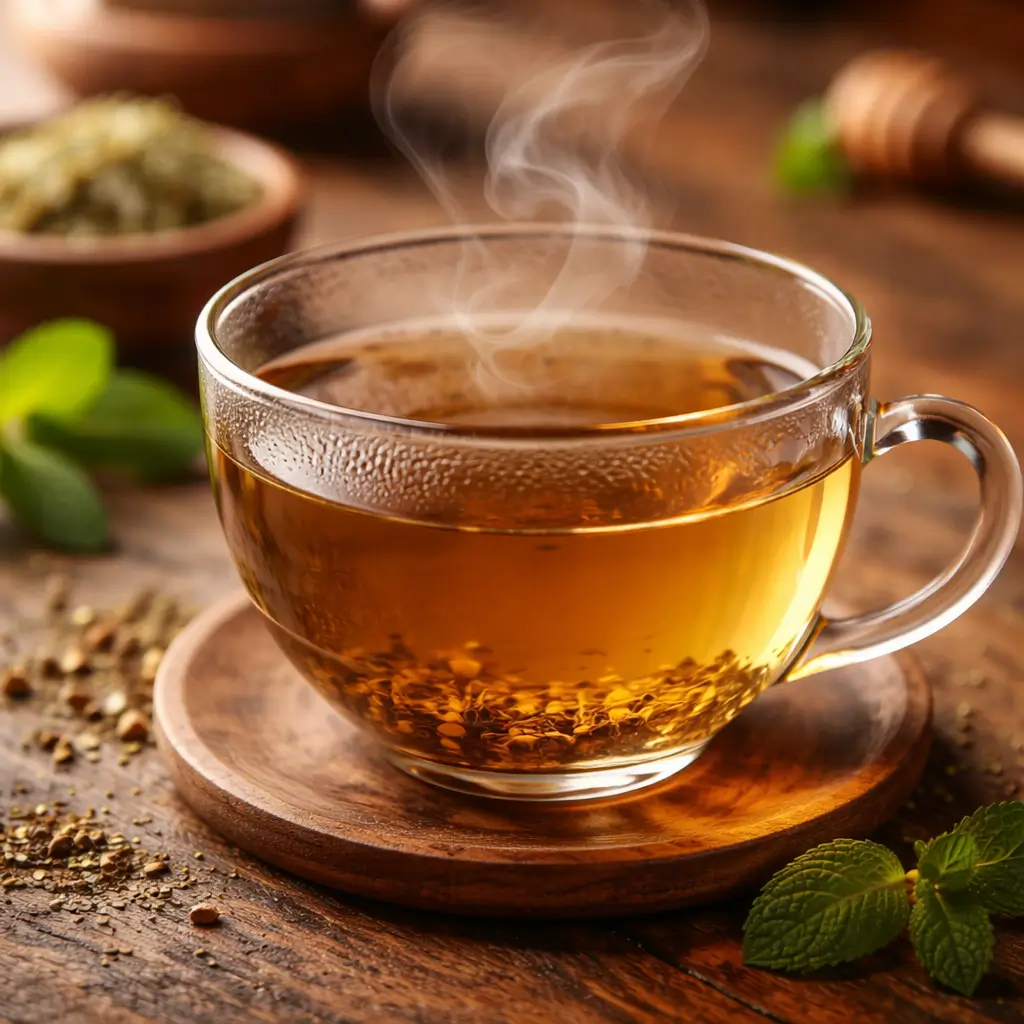
pulhia tea is often described as smooth, earthy, and lightly aromatic, making it appealing to people who prefer gentle flavors over strong bitterness. The taste of pulhia tea tends to be subtle rather than sharp, with mild herbal notes that can feel calming and grounding. Depending on the ingredients used, some versions may carry a faint sweetness, while others lean toward a warm, plant forward flavor that pairs well with quiet moments or meals.
When brewed correctly, pulhia tea delivers a clean finish that doesn’t linger heavily on the palate. Many people compare the experience of drinking pulhia tea to other herbal infusions, but with a slightly deeper body and more rounded mouthfeel. This makes it suitable for sipping throughout the day without overwhelming the senses. Because it usually lacks strong tannins, it’s unlikely to cause the dryness often associated with black tea.
Another reason pulhia tea attracts attention is its versatility in taste depending on brewing style. Longer steeping can bring out deeper herbal notes, while shorter steeping keeps pulhia tea lighter and more refreshing. This flexibility allows drinkers to customize the flavor to their preference, which aligns well with US consumers who value personalization in food and drink choices.
Ingredients and Potential Health Benefits
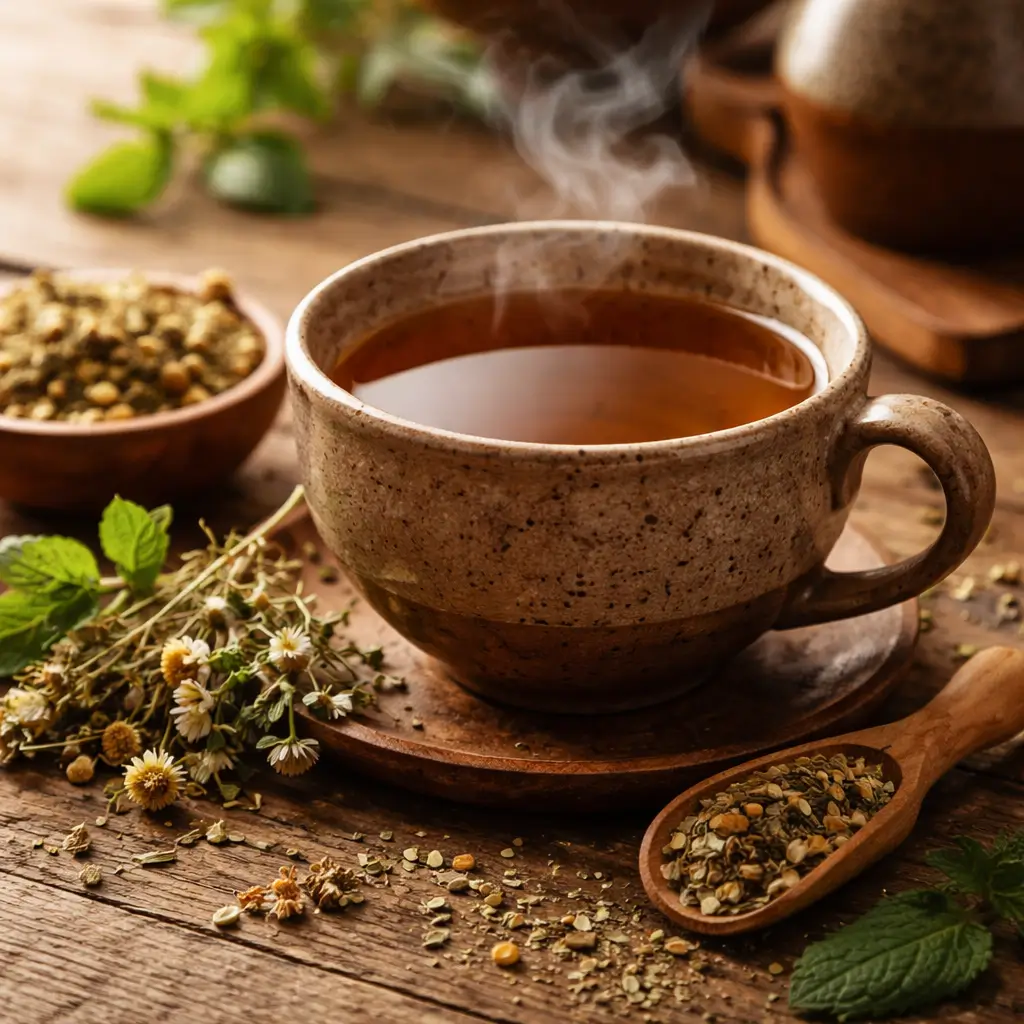
pulhia tea is typically made using simple, plant based ingredients that focus on balance rather than intensity. The base of pulhia tea often includes dried leaves, roots, or flowers selected for their mild flavor and natural aroma. Some traditional variations add gentle spices or botanicals to support digestion or relaxation, but the ingredient list is usually short and easy to recognize. This simplicity is one reason many US consumers are drawn to it when searching for cleaner beverage options.
From a wellness perspective, pulhia tea is commonly associated with hydration, calmness, and digestive comfort. While pulhia tea should not be viewed as a medical treatment, many people drink it as part of a routine focused on reducing caffeine intake and supporting mindful habits. Its lack of added sugar and low acidity make it suitable for people who want a soothing drink without energy spikes or crashes.
Below is a general overview of commonly used components and their traditionally associated benefits. Actual benefits can vary based on preparation and individual response.
| Ingredient Type | Common Use in Tea | Traditionally Associated Benefit |
|---|---|---|
| Dried herbal leaves | Flavor base | Calm, gentle digestion support |
| Roots or bark | Depth and warmth | Grounding sensation |
| Light spices | Aroma enhancement | Digestive comfort |
| Flowers (optional) | Mild sweetness | Relaxation and aroma |
How Pulhia Tea Compares to Other Popular Teas
pulhia tea stands apart from common options like green, black, or chai tea because it is not centered on caffeine or strong tannins. While green and black teas are derived from the Camellia sinensis plant and are often consumed for energy, pulhia tea is usually chosen for calmness and balance. Its lighter body and herbal nature make it more comparable to herbal infusions, yet it often has a fuller, more rounded taste than many single herb teas found in stores.
When compared to spiced or flavored teas, pulhia tea is typically less intense and less sweet, which appeals to people who want a neutral, everyday drink. Unlike chai, it usually does not rely on milk or heavy spices, and unlike mint or chamomile, pulhia tea can offer more depth without overpowering the palate. This makes it a flexible option for US tea drinkers who want variety without committing to bold or polarizing flavors.
How to Prepare Pulhia Tea at Home
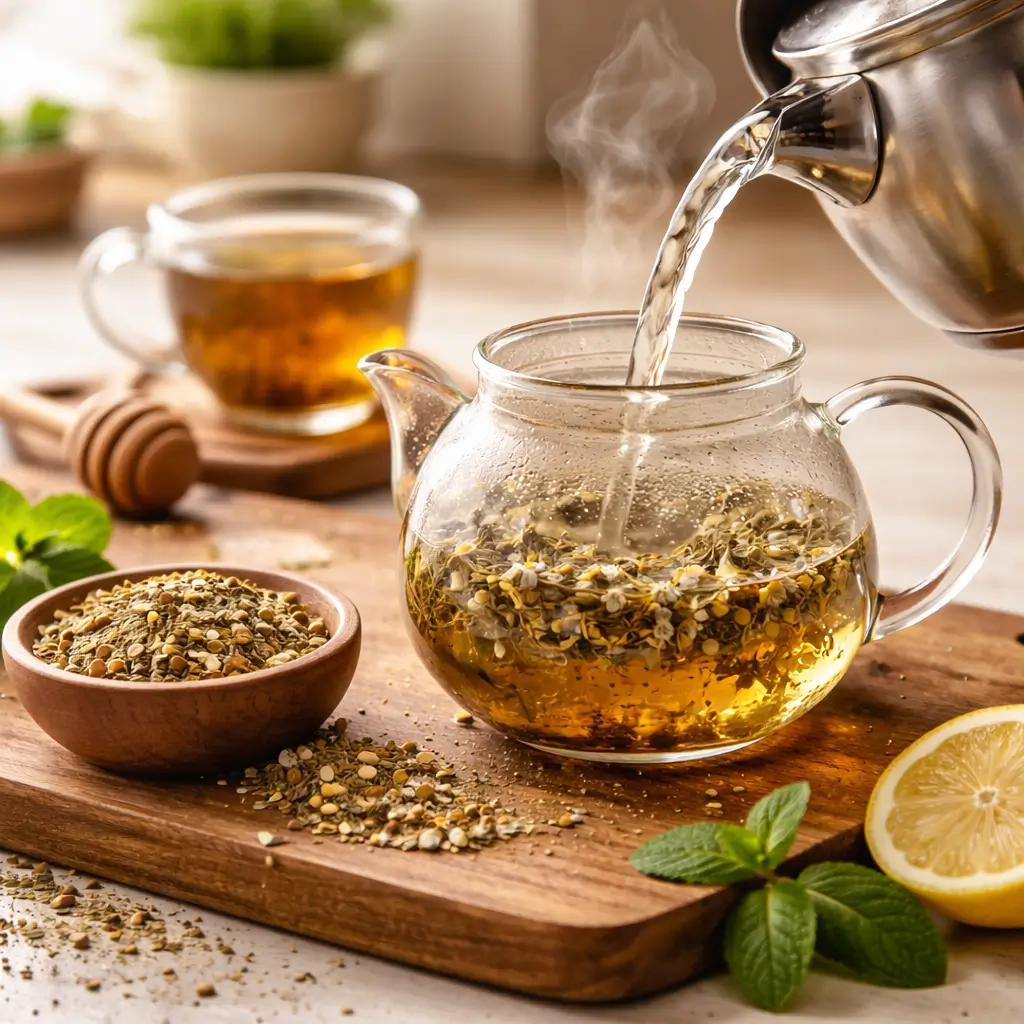
pulhia tea can be prepared at home with minimal equipment, which makes pulhia tea appealing to people who enjoy simple, hands on brewing methods. Most home preparations start with dried herbal ingredients placed in hot water and allowed to steep slowly, rather than being boiled aggressively. Using filtered water and a clean teapot or saucepan helps preserve the natural aroma and keeps the flavor balanced and smooth.
To get the best results, pulhia tea should be brewed with attention to temperature and time, since pulhia tea can become muted if steeped too briefly or overly earthy if steeped too long. A gentle simmer or hot water steep is usually enough to extract flavor without overpowering the drink. Straining before serving ensures a clean cup, and the tea can be enjoyed plain or with mild natural additions depending on preference.
Basic Home Brewing Guide
| Step | Action | Tip for Best Flavor |
|---|---|---|
| 1 | Heat water (not boiling hard) | Ideal range: 190–205°F |
| 2 | Add dried tea ingredients | Use 1–2 tsp per cup |
| 3 | Steep for 5–10 minutes | Adjust for strength preference |
| 4 | Strain and serve | Drink warm for best aroma |
Brewing Tips and Popular Variations
pulhia tea responds well to small adjustments in brewing, which allows pulhia tea drinkers to customize each cup based on taste and routine. One helpful tip is to start with a lighter steep and gradually increase time rather than overbrewing from the beginning. This approach helps preserve the tea’s natural smoothness and prevents the herbal notes from becoming too strong or dull. Using fresh, good quality dried ingredients also plays a major role in achieving a clean, balanced flavor.
Many people enjoy experimenting with pulhia tea by adding gentle variations that don’t overpower its core profile. For example, a small slice of fresh ginger can add warmth, while a touch of lemon peel can brighten the cup without turning pulhia tea acidic. Some prefer a slightly sweeter version using a small amount of honey, especially when drinking it in the evening. These variations work best when kept minimal so the tea remains soothing and easy to drink.
Another important tip is consistency. Preparing pulhia tea the same way for several days helps you understand how your body and palate respond to it. Once familiar, you can fine tune ingredient amounts or steeping time to suit your preferences, making pulhia tea a reliable part of your daily or weekly routine.
Common Mistakes to Avoid When Making Pulhia Tea
pulhia tea is simple to prepare, but a few common mistakes can prevent pulhia tea from tasting its best. One frequent issue is using water that is too hot or boiling aggressively, which can flatten the delicate herbal notes. Unlike black tea, this tea benefits from gentler heat that allows flavors to develop slowly and evenly. Overusing ingredients is another mistake, as adding too much can make the tea taste heavy instead of smooth.
Another problem people encounter with pulhia tea is rushing the process. Steeping for too short a time may result in a weak, watery cup, while oversteeping can dull the aroma and make pulhia tea feel overly earthy. Timing matters, and small adjustments of one or two minutes can significantly improve flavor. It’s also important to strain the tea properly, as leaving plant material in the cup can continue extraction and alter the taste.
Finally, storage mistakes can reduce the quality of pulhia tea before it’s even brewed. Exposure to moisture, heat, or strong odors can affect both flavor and aroma. Keeping pulhia tea ingredients in airtight containers, away from direct sunlight, helps maintain freshness and ensures each cup tastes as intended.
Best Time to Drink and Daily Use
pulhia tea fits easily into daily routines because it is usually gentle, low in caffeine, and easy on the stomach. Many people in the US prefer drinking it in the morning as a light start to the day or in the evening as a calming alternative to coffee or sugary drinks. Its mild nature makes it suitable for regular consumption without the jittery effects associated with stronger teas.
For wellness focused routines, pulhia tea is often enjoyed after meals to support digestion or during moments of rest to encourage relaxation. Some drinkers include it as part of a mindful habit, such as reading, journaling, or winding down before bed. Because it does not typically interfere with sleep, it works well as an evening beverage.
Consistency matters more than quantity when adding pulhia tea to your lifestyle. Drinking one to two cups a day is usually enough to enjoy its flavor and routine based benefits without overthinking the process. As with any beverage, listening to how your body responds helps determine the best timing and frequency.
Where to Find Ingredients and How to Store Them
Finding ingredients for pulhia tea in the United States is usually easier than people expect, especially as interest in herbal and global teas continues to grow. Many natural food stores, wellness shops, and international grocery markets carry dried herbs or botanical blends that align with traditional preparations. Online specialty tea retailers are another reliable option, offering clearly labeled products and sourcing details that help buyers make informed choices.
Proper storage is essential to maintain freshness and flavor when making pulhia tea at home. Ingredients should be kept in airtight containers, away from moisture, heat, and direct sunlight. Glass jars with tight lids or food grade metal tins work well for long term storage. Avoid placing them near spices or coffee, as strong odors can transfer and affect taste.
Ingredient Sourcing and Storage Guide
| Aspect | Best Practice | Why It Matters |
|---|---|---|
| Where to buy | Natural stores or trusted online shops | Better quality and freshness |
| Container type | Airtight glass or metal containers | Prevents moisture and odor exposure |
| Storage location | Cool, dark pantry | Preserves aroma and potency |
| Shelf life check | Replace if aroma fades | Ensures consistent flavor |
Who Should Try It and Who Should Be Careful
pulhia tea is well suited for people who want a gentle, everyday beverage without heavy caffeine or artificial ingredients. Many US consumers exploring mindful living, hydration habits, or lighter evening drinks find it appealing because it fits naturally into slower routines. It can be especially attractive to those who enjoy herbal infusions but want something with a bit more depth than single ingredient teas.
Some individuals may want to approach pulhia tea with a bit of awareness, particularly if they are sensitive to certain herbs or botanicals. Because ingredient blends can vary depending on how it is prepared or sourced, reading labels and starting with small amounts is a smart practice. Anyone who is pregnant, nursing, or managing a medical condition should treat it like any herbal beverage and consult a healthcare professional if unsure.
From a lifestyle perspective, pulhia tea works best for people who value consistency over quick effects. It’s not designed for an energy boost or dramatic results, but rather for calm enjoyment and routine. Understanding who it’s for helps set realistic expectations and leads to a better overall experience.

How to Choose Quality and Set Expectations
pulhia tea quality depends largely on the freshness and handling of the ingredients rather than branding or packaging. When choosing materials, look for dried herbs or blends that have a clear aroma, consistent color, and no signs of moisture or dust. Reputable sellers usually provide sourcing information and storage guidance, which helps ensure you’re starting with ingredients that will brew a clean, balanced cup.
Setting realistic expectations with pulhia tea is just as important as selecting good ingredients. This is not a drink meant to deliver instant energy or dramatic effects. Instead, it offers a subtle, steady experience that becomes more noticeable when enjoyed regularly as part of a routine. Many first time drinkers appreciate it more after a few servings, once they become familiar with its gentle flavor and rhythm.
From a user experience perspective, pulhia tea works best when approached with curiosity rather than comparison. Trying to measure it against strong black teas or sweetened beverages can lead to disappointment. When viewed on its own terms as a calming, simple drink it tends to meet expectations more naturally and becomes easier to appreciate over time.
Advanced Tips and Mistakes to Avoid
For those who drink pulhia tea regularly, small refinements can noticeably improve the experience. One advanced tip is to track steeping time and ingredient amounts for a few days to find the exact balance that suits your taste. Using a kitchen thermometer for water temperature can also help maintain consistency, especially if you notice variations from cup to cup. These details matter more with subtle beverages, where minor changes can affect aroma and mouthfeel.
A common advanced mistake with pulhia tea is overcomplicating it. Adding too many herbs, sweeteners, or spices can mask its natural character and make the drink feel muddled. Another issue is constantly changing preparation methods, which makes it hard to understand what actually improves the flavor. Sticking to one method long enough to evaluate results leads to better outcomes and less wasted ingredients.
Finally, expectations can become a mistake when drinking pulhia tea. Treating it like a supplement or quick solution often leads to disappointment. It’s best enjoyed as a habit based beverage that supports calm moments rather than dramatic results. Approaching it with patience and simplicity helps align the experience with what this tea is designed to offer.
Conclusion
Pulhia tea appeals to people in the United States who are looking for a simple, calming beverage that fits naturally into everyday life. It stands out because it focuses on balance, gentle flavor, and routine rather than caffeine or intensity. Understanding what pulhia tea is, how it’s prepared, and what to expect from it helps set realistic expectations and improves the overall experience. When brewed thoughtfully and enjoyed consistently, it can become a comforting alternative to more stimulating drinks.
Whether you’re exploring global tea traditions, reducing caffeine, or just curious about new flavors, pulhia tea offers a low pressure way to expand your options. By choosing quality ingredients, avoiding common mistakes, and approaching it with patience, you can decide if this tea deserves a place in your daily routine.
Frequently Asked Questions
1. What exactly is pulhia tea?
Pulhia tea is a traditionally inspired herbal style tea made from plant based ingredients rather than standard tea leaves. It is usually prepared in small batches and valued for its mild flavor and calming qualities. People searching for it are often looking for a natural, low caffeine beverage that fits into daily routines without strong bitterness or heavy processing.
2. Does pulhia tea contain caffeine?
Most preparations of pulhia tea are naturally caffeine free or extremely low in caffeine. This makes it appealing for people who want to reduce caffeine intake or enjoy a warm drink later in the day. However, caffeine content can vary slightly depending on the specific ingredients used, so checking sources is recommended.
3. What does pulhia tea taste like?
The flavor is generally smooth, earthy, and lightly herbal. It is not bitter or sharp, and it doesn’t usually have strong sweetness. Many people describe it as soothing and balanced, making it suitable for regular drinking without overwhelming the palate.
4. Is pulhia tea good for digestion?
Many people drink pulhia tea after meals because herbal ingredients are traditionally associated with digestive comfort. While it’s not a medical treatment, it can be part of a calming routine that supports hydration and gentle digestion when paired with a balanced diet.
5. Can I drink pulhia tea every day?
Yes, most people can drink it daily in moderate amounts. One to two cups a day is common. Because it’s usually gentle and low in caffeine, it fits well into daily habits, but personal tolerance should always be considered.
6. How do I make pulhia tea at home?
It is typically made by steeping dried herbal ingredients in hot (not aggressively boiling) water for several minutes, then straining. The process is simple and flexible, allowing you to adjust strength, time, and flavor additions based on preference.
7. Where can I buy ingredients in the US?
Ingredients can often be found at natural food stores, wellness shops, international grocery stores, or online tea retailers. Look for fresh, well labeled products and avoid ingredients that smell stale or appear damp.
8. Can I add sweeteners or flavors?
Yes, mild additions like honey, lemon peel, or ginger are common. It’s best to keep additions minimal so they don’t overpower the tea’s natural profile. Start small and adjust gradually.
9. Are there any side effects?
Side effects are uncommon, but reactions depend on individual sensitivity and specific ingredients. Anyone who is pregnant, nursing, or managing health conditions should consult a healthcare professional before adding new herbal drinks.
10. How is pulhia tea different from herbal tea?
Pulhia tea is similar to herbal tea but is often tied to specific cultural preparation methods and ingredient combinations. It’s less standardized, which gives it a more personal, tradition based character.
Follow us on Pinterest
pulhia tea origins, benefits, flavor, and how to make it
Ingredients
Method
- Heat filtered water until just below a rolling boil.
- Place the dried herbal blend into a teapot or heat safe cup.
- Pour the hot water over the herbs.
- Cover and steep for 5 to 10 minutes, depending on desired strength.
- Strain the tea into a cup.
- Add honey or lemon peel if desired, then serve warm.
Notes
- Rooted in traditional practices: Pulhia tea is typically linked to folk preparation methods where herbs and natural flavors were used to promote comfort and relaxation.
- Homemade culture: It is commonly prepared fresh at home, especially during cooler months or when a gentle, warm drink is desired.
- Wellness-focused: Many people enjoy it as part of a balanced lifestyle because herbal teas are often chosen for hydration and calmness.
- Evolving recipes: Modern versions sometimes include ingredients like lemon, ginger, or honey to enhance flavor.