
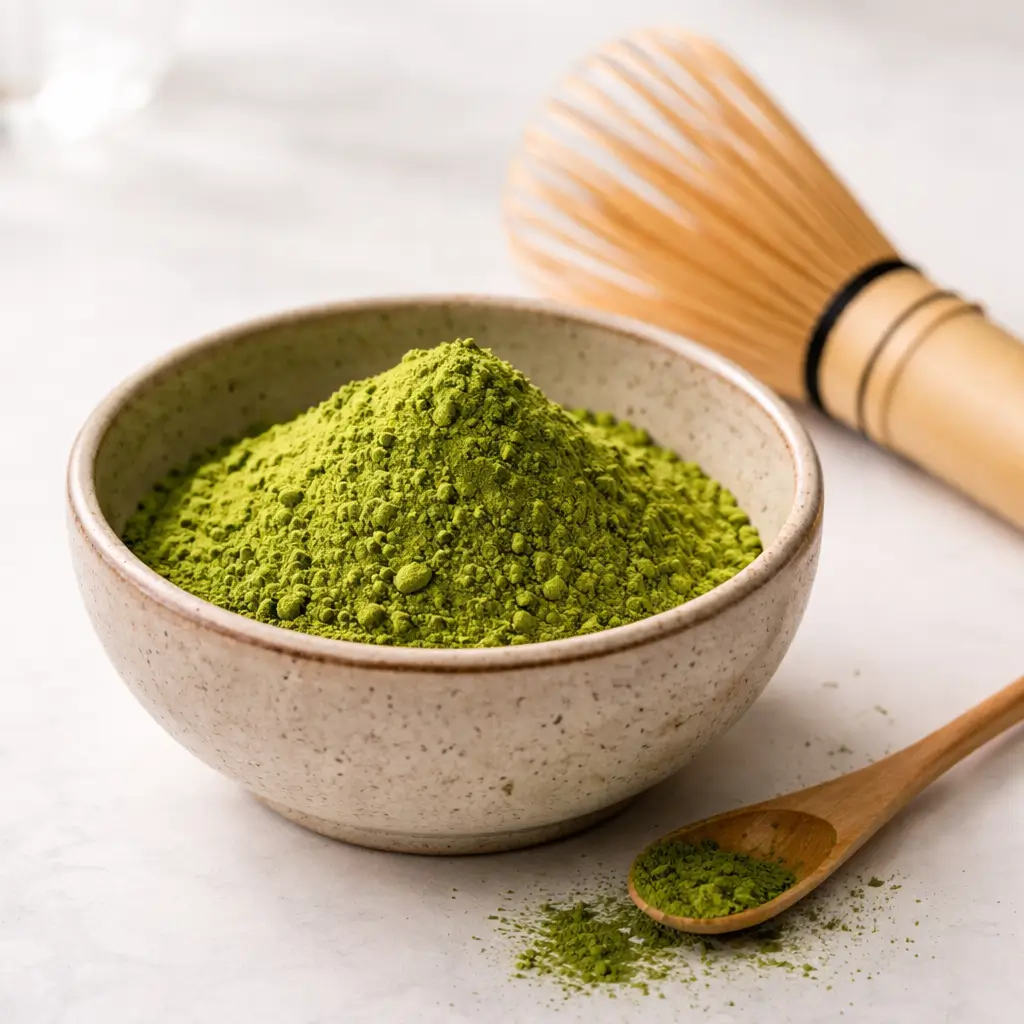
is matcha a coffee is a common question among US consumers who are exploring healthier caffeine options or looking for an alternative to their daily cup of joe. The short answer is no matcha is not coffee but the confusion is understandable. Both drinks provide caffeine, improve alertness, and are often part of morning routines. However, matcha comes from finely ground green tea leaves, while coffee is brewed from roasted coffee beans. Understanding this difference is essential for choosing the drink that best fits your lifestyle, taste preferences, and wellness goals.
is matcha a coffee also reflects a deeper curiosity about how these beverages compare in real life use. People want to know how matcha and coffee differ in energy effects, caffeine strength, flavor, preparation, and health benefits. Some are switching from coffee to matcha to avoid jitters, while others are curious if matcha can truly replace coffee’s bold kick.
This article is designed to clearly answer whether matcha is considered coffee, explain why they’re often confused, and break down what sets them apart in a simple, practical way. By the end, you’ll know exactly when matcha makes more sense than coffee and when coffee is still the better choice.
Curious how to bake authentic Peruvian pan francés with a perfectly crisp crust and soft interior? Click below to discover the simple method that makes this traditional bread easy at home Peruvian Pan Francés Recipe Authentic Bread Made Easy
What Matcha Really Is (and Why It’s Not Coffee)
is matcha a coffee can only be answered accurately once you understand what matcha actually is. Matcha is a type of green tea made from shade grown tea leaves that are carefully harvested, dried, and ground into a fine powder. Unlike traditional green tea, where leaves are steeped and discarded, matcha is consumed whole by whisking the powder into hot water or milk. This means you ingest the entire leaf, which significantly affects its nutritional profile and how caffeine is absorbed by the body.
is matcha a coffee becomes clearer when you look at the source plant. Matcha comes from the Camellia sinensis tea plant, while coffee is made from roasted coffee beans derived from Coffea plants. These are completely different botanical sources. Matcha is not brewed like coffee, does not involve roasting beans, and does not undergo fermentation. Its production process focuses on preserving chlorophyll, amino acids, and antioxidants, giving matcha its vibrant green color and earthy flavor.
Another key difference is cultural and historical use. Matcha has been consumed for centuries in Japanese tea ceremonies and wellness traditions, while coffee evolved as a roasted beverage known for its strong bitterness and fast caffeine hit. Even though both drinks contain caffeine and can improve focus, matcha is classified as tea not coffee. Understanding this distinction helps eliminate confusion and sets the foundation for comparing how matcha and coffee truly differ in everyday use.
Matcha vs Coffee Ingredients, Source, and Processing
is matcha a coffee becomes even easier to answer when you compare how each drink is made from the ground up. While both are popular caffeinated beverages in the US, their ingredients and processing methods are completely different. Matcha starts as young green tea leaves that are shade grown to increase chlorophyll and amino acids. These leaves are steamed, dried, and stone ground into a fine powder. Coffee, on the other hand, comes from coffee cherries. The beans are fermented, dried, roasted at high temperatures, and then ground before brewing.
is matcha a coffee is often asked because both are consumed hot, mixed with milk, or used in lattes. But similarity in consumption does not equal classification. Matcha remains a tea product in every sense botanical, nutritional, and culinary while coffee is its own distinct category. The processing alone creates major differences in flavor, acidity, and how each drink affects the body.
Below is a simple comparison to clearly show why matcha is not coffee:
| Feature | Matcha | Coffee |
|---|---|---|
| Source plant | Camellia sinensis (tea plant) | Coffea plant |
| Form | Finely ground green tea powder | Ground roasted coffee beans |
| Processing | Steamed, dried, stone ground | Fermented, roasted, ground |
| Classification | Green tea | Coffee |
| Natural color | Bright green | Dark brown |
This comparison highlights why matcha cannot be considered coffee, even though both provide caffeine. Understanding the ingredient and processing differences helps consumers make informed choices based on digestion, taste, and long term health preferences rather than just caffeine content.
Caffeine Content How Matcha and Coffee Really Compare
is matcha a coffee is often asked because both drinks contain caffeine, but the amount and how it affects your body are very different. On average, a standard cup of coffee contains about 90–120 mg of caffeine, depending on the bean and brewing method. Matcha typically contains 60–70 mg of caffeine per serving. While coffee usually delivers more caffeine upfront, matcha provides a more controlled experience.
is matcha a coffee becomes less confusing when you look at how caffeine works in each drink. Matcha contains L theanine, a naturally occurring amino acid that slows the absorption of caffeine. This results in steady, sustained energy without the sharp spike and crash many people experience with coffee. Coffee lacks L theanine, which is why its caffeine often hits faster and stronger, sometimes leading to jitters, anxiety, or an afternoon crash.
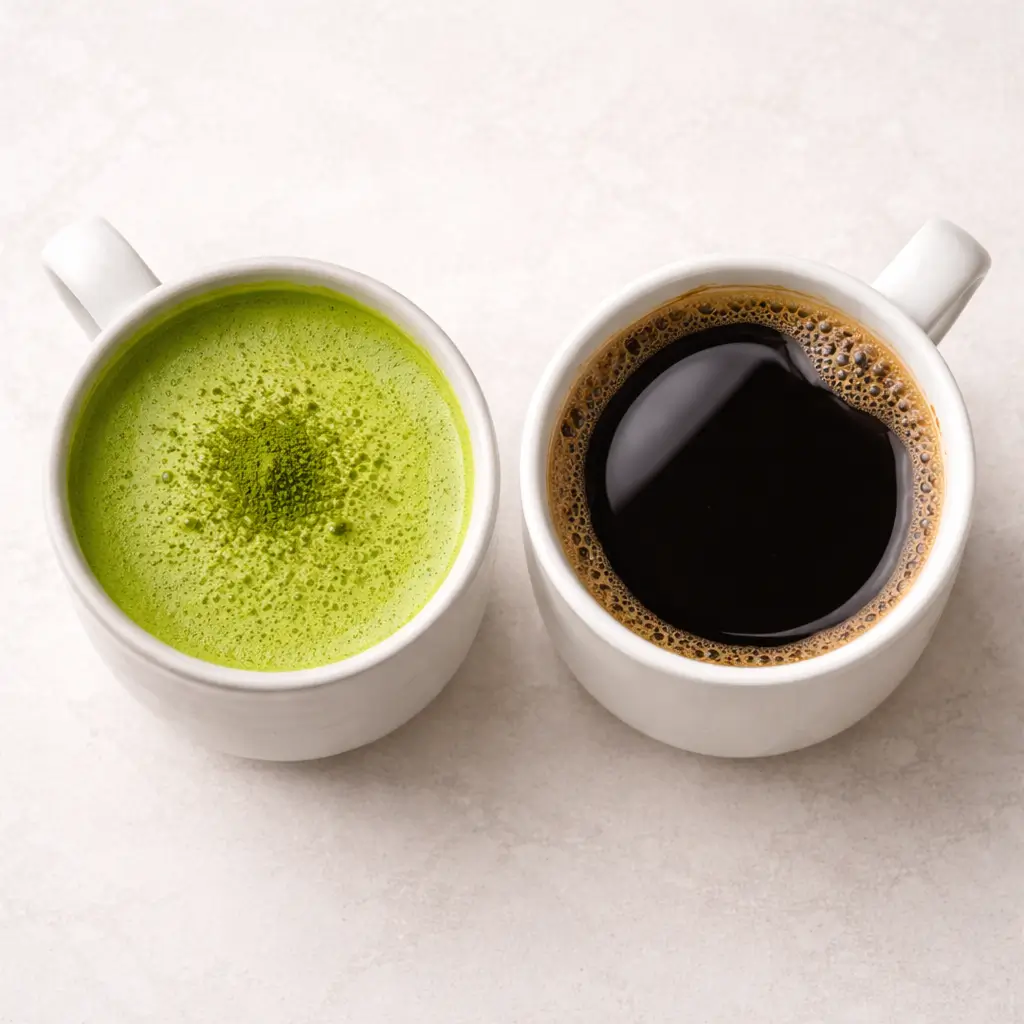
Another factor is consumption style. Because matcha is consumed as a whole leaf powder, the caffeine is released gradually during digestion. Coffee is brewed and strained, delivering caffeine quickly into the bloodstream. This difference matters for people sensitive to caffeine or those looking for long lasting focus rather than instant stimulation.
So while both beverages contain caffeine, matcha offers a smoother energy profile. This distinction reinforces why matcha is not coffee and why many people choose matcha as a coffee alternative rather than a replacement in the same category.
Energy Effects and Focus Why Matcha Feels Different
is matcha a coffee is a question many people ask after noticing that the energy from matcha feels different from coffee. While both can improve alertness and concentration, the way they affect the brain and body is not the same. Coffee delivers a rapid caffeine surge that can boost energy quickly, but it often fades just as fast. Matcha, by contrast, promotes calm focus and sustained mental clarity.
is matcha a coffee becomes easier to answer when you understand the role of L theanine in matcha. This amino acid works with caffeine to create what many experts describe as “alert calmness.” Instead of racing thoughts or jittery energy, matcha supports steady focus, making it popular among students, professionals, and creatives. Coffee does not contain L theanine, which is why its effects can feel more intense and less controlled, especially for caffeine sensitive individuals.
Another difference is how long the energy lasts. Coffee energy typically peaks within 30–60 minutes and may lead to a noticeable crash later. Matcha energy builds more slowly and can last several hours without a sharp drop. This makes matcha a preferred option for long work sessions, studying, or afternoon productivity without disrupting sleep.
These differences explain why matcha is often chosen as a coffee alternative but not classified as coffee. The energy experience alone shows that matcha and coffee serve different needs, even though both contain caffeine.
Taste, Flavor Profile, and Drinking Experience
is matcha a coffee is sometimes asked because both drinks can be served hot, iced, or as lattes, but their taste profiles are very different. Coffee is known for its bold, bitter, and sometimes acidic flavor, which can vary based on roast level and origin. Matcha has an earthy, grassy, and slightly sweet taste with a smooth, creamy mouthfeel when prepared correctly.
is matcha a coffee becomes less confusing once you experience the flavor difference firsthand. Matcha’s taste comes from chlorophyll and amino acids developed during shade growing. High quality matcha is naturally less bitter and more umami rich, while lower quality matcha can taste astringent. Coffee bitterness, on the other hand, is a result of roasting and brewing methods, not natural leaf compounds.
Another major difference is texture. Matcha is whisked into liquid, not filtered out, which gives it a velvety consistency. Coffee is brewed and strained, resulting in a thinner liquid. Many people enjoy matcha lattes with milk or plant based alternatives because the creamy texture complements matcha’s mild sweetness. Coffee lattes rely on milk to soften bitterness rather than enhance natural flavors.
Because of these flavor and texture differences, matcha appeals to people who prefer smoother, less acidic drinks. This sensory contrast further confirms that matcha is not coffee, even though both are popular daily beverages.
Health Benefits of Matcha vs Coffee
is matcha a coffee is often asked by health conscious readers comparing benefits beyond caffeine. While both drinks offer antioxidants and mental alertness, matcha provides a broader range of wellness benefits due to how it’s consumed. Because you ingest the entire tea leaf, matcha delivers higher levels of antioxidants, particularly catechins like EGCG, which are linked to heart health and reduced inflammation.
is matcha a coffee becomes clearer when comparing how each beverage affects digestion and stress. Matcha is naturally lower in acidity, making it gentler on the stomach. Coffee’s acidity can trigger digestive discomfort, acid reflux, or stomach irritation for some people. Matcha also supports calm focus and stress balance due to L theanine, while coffee may increase cortisol levels when consumed in excess.
Below is a health focused comparison that highlights why matcha is not coffee and why some people prefer it:
| Health Factor | Matcha | Coffee |
|---|---|---|
| Antioxidant content | Very high (EGCG rich) | Moderate |
| Acidity level | Low | High |
| Stress response | Calming and focused | Can increase anxiety |
| Digestive impact | Gentle on stomach | May cause irritation |
| Energy duration | Long lasting | Short term spike |
Both drinks can fit into a healthy lifestyle, but matcha is often chosen for long term wellness and balanced energy. This health profile further reinforces that matcha is a tea with unique benefits not a type of coffee.
Why People Commonly Confuse Matcha With Coffee
is matcha a coffee is frequently searched because both beverages play a similar role in daily routines, especially in the US. People drink matcha and coffee for energy, focus, and productivity, often in the morning or during work hours. Cafés also contribute to the confusion by offering matcha lattes right alongside coffee drinks, using similar cups, sizes, and preparation styles.
is matcha a coffee also becomes confusing due to caffeine expectations. Many people assume that any drink providing a noticeable energy boost must be coffee. Since matcha contains caffeine and improves alertness, it’s easy to misclassify it as a type of coffee, especially for those unfamiliar with tea varieties. Marketing terms like “coffee alternative” further blur the lines, even though alternative does not mean equivalent.
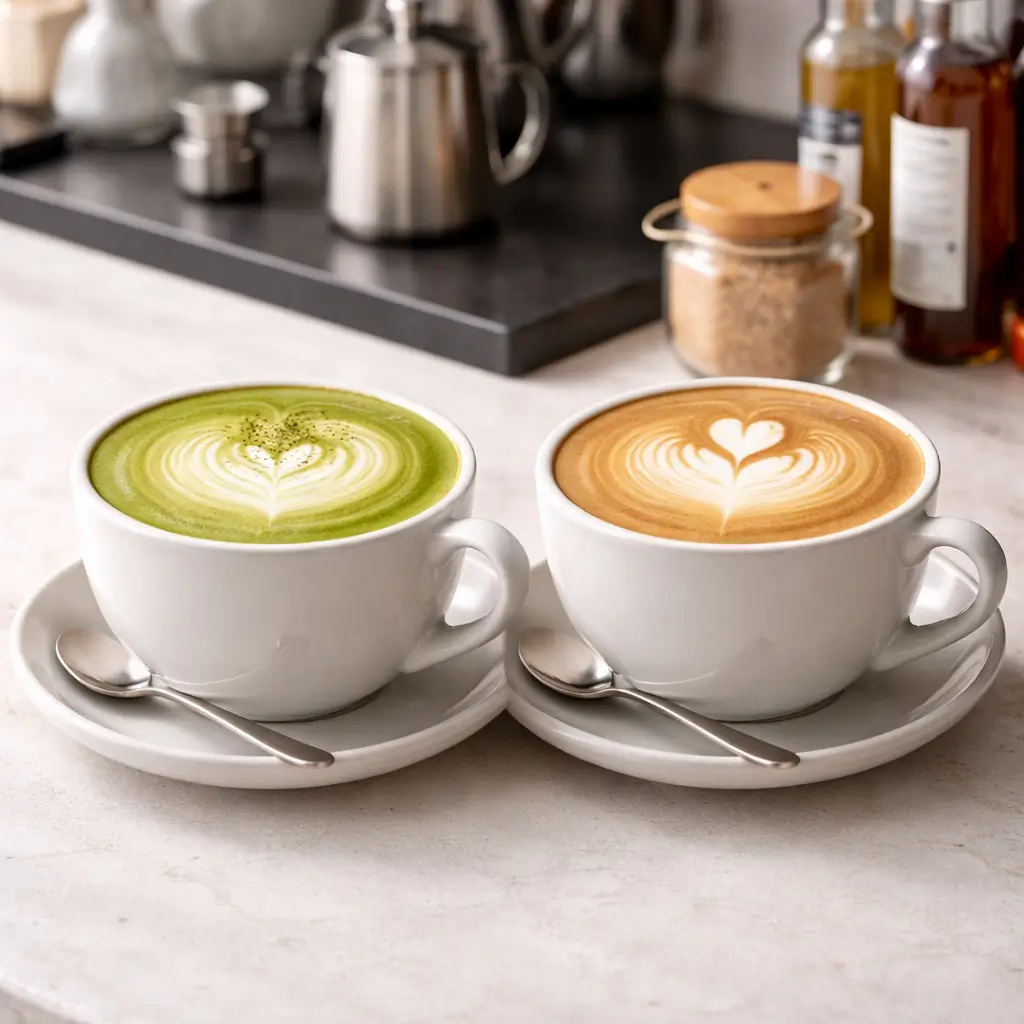
Another reason for confusion is modern consumption trends. Matcha is now used in espresso style drinks, iced beverages, and flavored lattes that visually resemble coffee. Without understanding the ingredients, consumers may assume matcha is simply green colored coffee or a coffee based blend. In reality, matcha contains no coffee beans, no roasting process, and no coffee compounds.
Understanding these lifestyle and marketing factors helps explain why people ask if matcha is a coffee. The confusion is practical, not factual. Once you understand the source, processing, and effects, it becomes clear that matcha is a tea that serves a similar purpose but it is not coffee.
Who Should Choose Matcha Instead of Coffee
is matcha a coffee is an important question for people deciding which drink best fits their body and lifestyle. While coffee works well for those who want a fast, strong caffeine boost, matcha is often better for individuals seeking balanced energy and long term focus. People who experience jitters, anxiety, or crashes from coffee frequently find matcha to be a gentler option.
is matcha a coffee also matters for those with digestive sensitivity. Matcha’s low acidity makes it easier on the stomach, especially for people who struggle with acid reflux or irritation from coffee. Because matcha releases caffeine slowly, it is less likely to spike cortisol levels, which can be beneficial for individuals managing stress or hormonal balance.
Matcha may also appeal to people focused on overall wellness. Its high antioxidant content supports heart health, metabolism, and immune function. Students, remote workers, and professionals often prefer matcha for sustained concentration without overstimulation. It’s also a popular choice for afternoon energy because it’s less likely to disrupt sleep compared to coffee consumed later in the day.
Coffee, on the other hand, may still be ideal for early mornings, endurance tasks, or those who enjoy bold flavors and immediate stimulation. Knowing that matcha is not coffee helps consumers choose intentionally. Rather than replacing coffee entirely, many people use matcha strategically when calm focus and steady energy are the priority.
Preparation Differences Matcha vs Coffee at Home
is matcha a coffee becomes very clear when you look at how each drink is prepared. Coffee is typically brewed using drip machines, French presses, pour over methods, or espresso machines. The process involves extracting flavor and caffeine from ground coffee beans using hot water, then discarding the grounds. Matcha preparation is completely different and reinforces that matcha is not coffee in any form.
is matcha a coffee is often assumed because matcha lattes look similar to coffee lattes, but the preparation tells a different story. Matcha is made by whisking finely ground green tea powder directly into hot water or milk. There is no brewing, filtering, or extraction. You consume the entire tea leaf, which changes how nutrients and caffeine are absorbed.
Another difference is equipment. Coffee usually requires machines, filters, grinders, or pods. Matcha preparation is simple and traditional, often using a bamboo whisk, a bowl, and hot water. Even modern matcha drinks still rely on mixing rather than brewing.
Below is a simple comparison of preparation styles:
| Preparation Aspect | Matcha | Coffee |
|---|---|---|
| Method | Whisked into liquid | Brewed and filtered |
| Equipment | Bowl, whisk, spoon | Machine, grinder, filter |
| Grounds consumed | Yes (whole leaf) | No |
| Prep time | 2–3 minutes | 3–10 minutes |
These preparation differences further confirm that matcha is not coffee, even though both are daily caffeine drinks.
Is Matcha a Coffee From a Nutritional Standpoint?
is matcha a coffee is a question that can also be answered clearly by looking at nutrition. From a nutritional standpoint, matcha is not coffee at all. Matcha is a powdered green tea that delivers vitamins, minerals, antioxidants, and plant compounds that coffee simply does not contain. Coffee provides caffeine and some antioxidants, but its nutritional profile is far more limited.
is matcha a coffee becomes an easy “no” when you compare nutrients per serving. Matcha contains chlorophyll, catechins, EGCG, L theanine, and small amounts of vitamin C, vitamin A, potassium, and iron. Because you consume the entire leaf, these nutrients are absorbed directly. Coffee, by contrast, is brewed and filtered, which removes most plant material and fiber.
Another key difference is how nutrients affect the body. Matcha supports metabolism, immune health, and cellular protection due to its high antioxidant density. Coffee mainly stimulates the nervous system through caffeine. While coffee does offer some antioxidant benefits, it lacks the amino acids and phytonutrients that define matcha.
When people ask is matcha a coffee, nutrition alone proves the answer is no. Matcha functions more like a functional wellness beverage, while coffee is primarily a stimulant drink. This nutritional gap is one of the strongest reasons matcha cannot be classified as coffee in any context.
Is Matcha a Coffee According to Experts and Nutritionists?
is matcha a coffee is a question that nutritionists, dietitians, and beverage experts answer very clearly and the answer is consistently no. Experts agree that matcha is not coffee because it does not come from coffee beans, does not go through roasting, and does not share coffee’s chemical structure. From an expert perspective, matcha belongs entirely in the tea category.
is matcha a coffee is often addressed by nutrition professionals when clients ask for coffee alternatives. Experts explain that while matcha and coffee both contain caffeine, caffeine alone does not define coffee. Matcha contains L theanine, chlorophyll, and catechins, which change how caffeine behaves in the body. Coffee does not contain these compounds, making its stimulation more abrupt and shorter lasting.
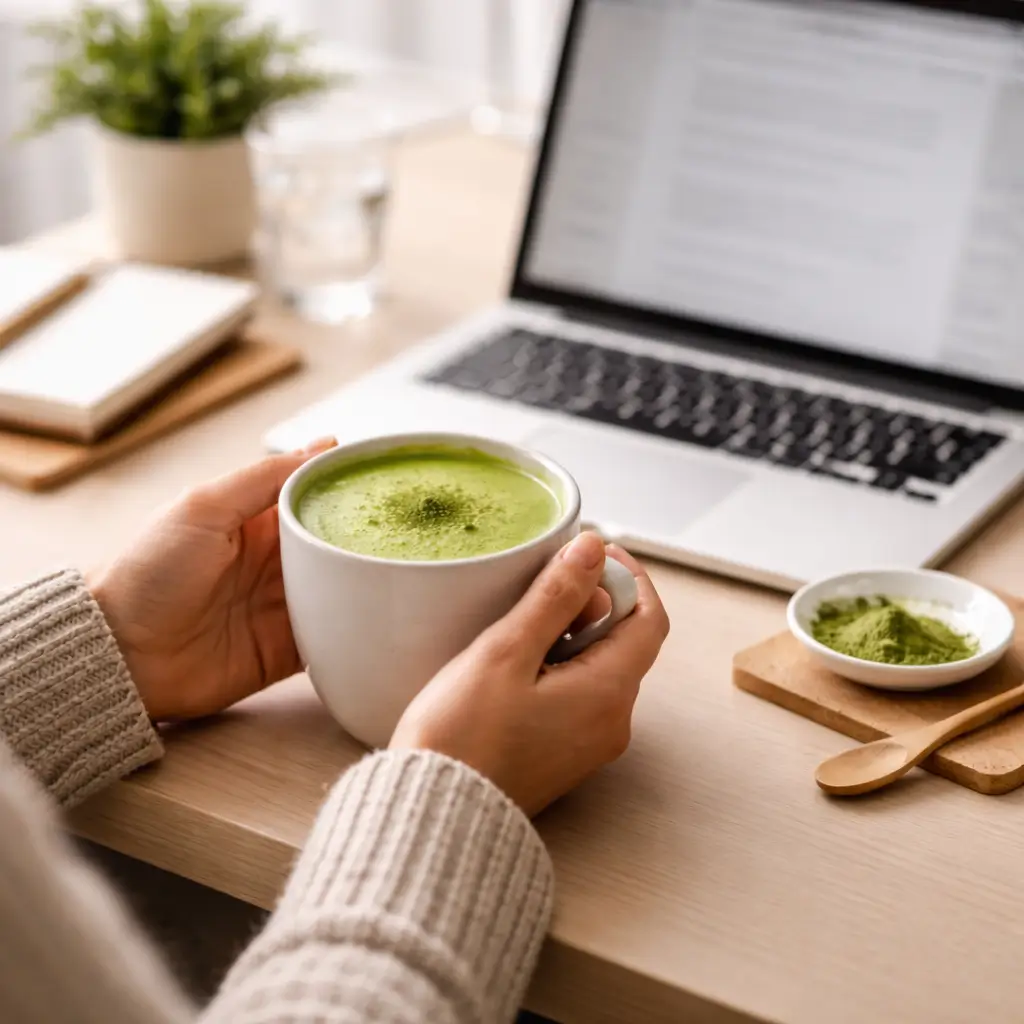
is matcha a coffee is also discussed in wellness and functional nutrition spaces. Many experts recommend matcha instead of coffee for people dealing with anxiety, adrenal fatigue, blood sugar spikes, or digestive issues. Coffee may worsen these conditions, while matcha supports calm focus and metabolic balance.
When experts are asked is matcha a coffee, they emphasize classification, not usage. Matcha may replace coffee in a routine, but scientifically and nutritionally, matcha is a powdered green tea. Expert consensus confirms that matcha should never be labeled or considered coffee.
Is Matcha a Coffee When You Compare Daily Use and Lifestyle Fit?
is matcha a coffee is often asked by people deciding which drink better fits their daily routine. When you compare lifestyle use, the answer to is matcha a coffee is still no, but the comparison helps people choose correctly. Coffee is commonly used for fast mornings, long commutes, or immediate stimulation. Matcha, by contrast, is used for sustained focus, mindful routines, and balanced energy throughout the day.
is matcha a coffee also comes up when people plan when to drink caffeine. Coffee is usually consumed early because its strong caffeine spike can interfere with sleep if taken later. Matcha is often consumed in the morning or afternoon because its slow release caffeine is less disruptive. This difference alone shows why is matcha a coffee is the wrong classification even if both are part of daily habits.
Another lifestyle factor is stress and productivity. People who rely on coffee multiple times a day often experience crashes. Matcha users typically report smoother productivity. This is why wellness focused consumers ask is matcha a coffee before switching.
Below is a simple daily use comparison:
| Lifestyle Factor | Matcha | Coffee |
|---|---|---|
| Best time to drink | Morning or afternoon | Early morning |
| Energy pattern | Steady and calm | Fast and intense |
| Stress impact | Low | Can be high |
| Routine style | Mindful and flexible | Fast paced |
So when people ask is matcha a coffee, daily lifestyle comparison makes the answer clear. Matcha may replace coffee in routine, but it is not coffee by definition or function.
Common Mistakes and Misconceptions About “Is Matcha a Coffee”
is matcha a coffee is often misunderstood because of several common mistakes people make when comparing the two drinks. One major misconception is believing that any caffeinated beverage must be coffee. This assumption leads many to incorrectly label matcha as coffee simply because it provides energy. In reality, caffeine does not define coffee, and this misunderstanding fuels the repeated question is matcha a coffee across search engines.
is matcha a coffee is also confused because of café menus and modern branding. When people see matcha lattes listed next to espresso drinks, they assume matcha must be a type of coffee. This is a presentation mistake, not a classification. Matcha contains no coffee beans, no roasting process, and no coffee compounds. Assuming similarity based on appearance alone is one of the biggest errors.
Another mistake is thinking matcha and coffee affect the body the same way. Many people expect matcha to deliver the same instant jolt as coffee. When it doesn’t, they assume something is wrong. In truth, matcha’s slower energy release is intentional and natural. This difference is exactly why is matcha a coffee has a clear answer: no.
Finally, some believe matcha is “healthier coffee.” This framing is inaccurate. Matcha is not coffee at all it is green tea. Understanding these misconceptions helps users stop asking is matcha a coffee and start choosing the right drink with confidence.
Conclusion
is matcha a coffee is a question that deserves a clear, confident answer, and that answer is no. Matcha is not coffee by source, processing, nutrition, or classification. Matcha comes from green tea leaves, while coffee comes from roasted coffee beans. Although both contain caffeine and are part of daily routines, their effects, preparation methods, and health benefits are very different.
Understanding is matcha a coffee helps consumers make better choices based on their energy needs, digestion, stress levels, and lifestyle. Matcha offers calm, sustained focus with antioxidants and amino acids, while coffee provides fast, intense stimulation. One is not better than the other they simply serve different purposes.
If you’ve been asking is matcha a coffee, the confusion likely comes from modern café culture and caffeine expectations. Once you understand the facts, the distinction becomes simple. Matcha may replace coffee in your routine, but it will never be coffee itself.
Frequently Asked Questions (FAQs)
1. is matcha a coffee or a type of green tea?
is matcha a coffee is a very common question, but matcha is not coffee at all. Matcha is a powdered form of green tea made from the Camellia sinensis plant. Coffee comes from roasted coffee beans, while matcha comes from tea leaves that are steamed, dried, and ground. Even though both contain caffeine, matcha is always classified as tea, not coffee.
2. is matcha a coffee because it has caffeine?
is matcha a coffee just because it contains caffeine? No. Caffeine alone does not define coffee. Many teas, including matcha, naturally contain caffeine. Matcha’s caffeine comes from tea leaves and is absorbed slowly due to L theanine, while coffee caffeine is absorbed quickly. This key difference confirms matcha is not coffee.
3. is matcha a coffee alternative or a replacement?
is matcha a coffee replacement? Matcha is best described as a coffee alternative, not coffee itself. Many people replace coffee with matcha for smoother energy and fewer jitters. However, replacing coffee in a routine does not mean matcha becomes coffee. They remain completely different beverages.
4. is matcha a coffee drink when served as a latte?
is matcha a coffee when it’s called a matcha latte? No. A matcha latte contains matcha powder and milk, not espresso or coffee beans. The latte style causes confusion, but the base ingredient is still green tea, not coffee.
5. is matcha a coffee in cafes and coffee shops?
is matcha a coffee in coffee shops? Even when sold in cafes, matcha is still tea. Coffee shops sell many non coffee drinks, including tea and hot chocolate. Being sold alongside coffee does not change matcha’s classification.
6. is matcha a coffee from a health perspective?
is matcha a coffee nutritionally? No. Matcha offers antioxidants, L theanine, and chlorophyll that coffee does not provide. Coffee mainly offers caffeine and some antioxidants, while matcha supports calm focus and overall wellness.
7. is matcha a coffee if it boosts energy like coffee?
is matcha a coffee because it boosts energy? Energy effects can be similar, but the source and experience are different. Matcha provides steady energy, while coffee provides fast stimulation. Similar effects do not mean the drinks are the same.
8. is matcha a coffee for people sensitive to caffeine?
is matcha a coffee for caffeine sensitive people? No, and that’s why many choose it. Matcha’s slow caffeine release is gentler than coffee, making it a better option for those who experience jitters from coffee.
9. is matcha a coffee used in the morning like coffee?
is matcha a coffee because people drink it in the morning? Morning use does not define coffee. Matcha is often consumed in the morning or afternoon, but it remains tea regardless of timing.
10. is matcha a coffee according to experts?
is matcha a coffee according to experts? No. Nutritionists and beverage experts consistently classify matcha as green tea. There is no scientific or culinary definition that considers matcha to be coffee.
Follow us on Pinterest