
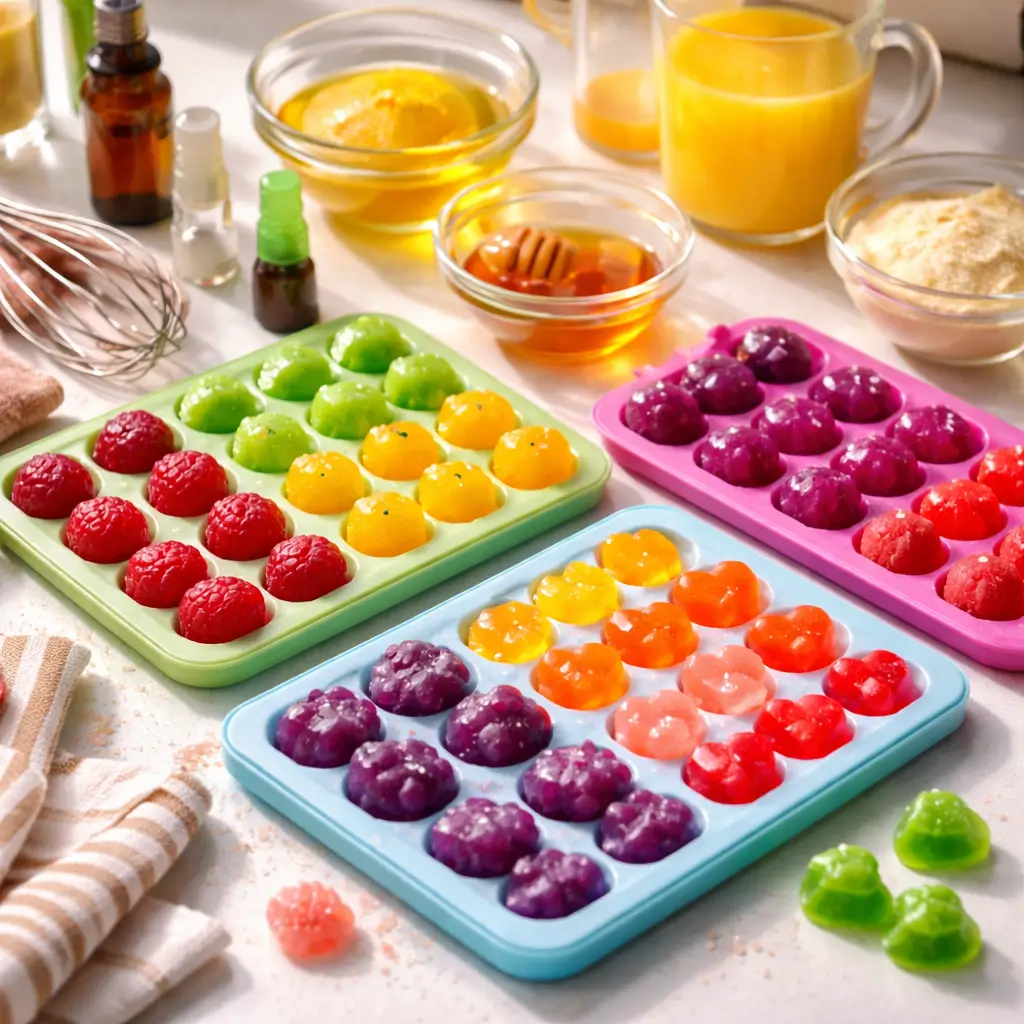
Cannabis candy recipes have become one of the most popular ways for adults in the United States to enjoy cannabis infused edibles in a controlled and flavorful form. Instead of smoking or vaping, many people prefer infused sweets because they offer longer lasting effects, precise portioning, and a wide variety of flavors. From chewy gummies to smooth caramels and rich chocolates, cannabis candies provide a discreet and enjoyable way to experience cannabis while satisfying a sweet tooth. As legalization expands across many U.S. states, interest in homemade edibles continues to grow among beginners and experienced cooks alike.
Cannabis candy recipes also give home cooks full control over ingredients, potency, and flavor combinations. When prepared correctly, infused candies allow you to measure doses carefully, customize textures, and avoid unnecessary additives often found in commercial edibles. However, making cannabis candies requires a clear understanding of infusion methods, proper dosing, and safe consumption practices.
In this guide, you will learn how cannabis infused candies work, the ingredients required, how to make several types of infused sweets, and the most important safety guidelines to follow. Whether you want to create homemade cannabis gummies, hard candies, chocolates, or caramel treats, this comprehensive guide will walk you through the process step by step.
- Curious how Bobby Flay turns simple pork chops and applesauce into a flavorful restaurant-style dish? Click below to discover the recipe and the secrets behind its incredible taste Bobby Flay Pork Chops and Applesauce Recipe
Understanding Cannabis Infused Candy
Cannabis candy recipes refer to sweet edible treats that contain cannabinoids such as THC or CBD infused into ingredients like butter, oil, or tinctures. These infused sweets allow cannabis to be consumed through digestion instead of inhalation, which produces effects that usually last longer and feel stronger than smoking. Because cannabis candy recipes deliver cannabinoids through food, they must be prepared carefully to ensure consistent potency and safe dosing.
Most cannabis candy recipes rely on a process called infusion, where cannabinoids are extracted from cannabis flower and blended into fats or oils that can be mixed into candy bases. The most common infusion ingredients include cannabis butter, cannabis coconut oil, and cannabis tinctures. These ingredients allow cannabis candy recipes to integrate smoothly into recipes for gummies, chocolates, caramels, and hard candies without affecting texture too much.
Another reason cannabis candy recipes have become popular in the United States is their ability to provide precise serving sizes. Homemade edibles allow cooks to divide candies into small portions so each serving contains a consistent amount of THC or CBD. This level of control makes cannabis candy recipes appealing for adults who want a predictable experience rather than the variability that sometimes occurs with store bought edibles.
Flavor variety also plays a major role in the popularity of cannabis candy recipes. Infused candies can be made with fruit juices, natural flavor extracts, chocolate, caramel, or herbal ingredients to create unique flavor combinations. With the right techniques, cannabis candy recipes can taste almost identical to traditional candy while still delivering the desired effects.
Essential Ingredients Used in Cannabis Candy Recipes
Cannabis candy recipes rely on a small group of core ingredients that create the candy texture while carrying the infused cannabis oil or butter. Understanding how each ingredient functions helps ensure that cannabis candy recipes produce consistent flavor, proper texture, and reliable dosing. While different candy types require slightly different ingredients, most recipes share a similar base of sugar, flavoring, and an infused fat source.
One of the most important components in cannabis candy recipes is the infused ingredient itself. This usually comes in the form of cannabis butter or cannabis infused coconut oil. These fats carry the cannabinoids and blend smoothly into many candy mixtures. Coconut oil is particularly popular in cannabis candy recipes because it mixes well with gelatin, chocolate, and caramel while helping cannabinoids absorb more efficiently in the body.
Sweeteners form the structural base of most cannabis candy recipes. Granulated sugar, corn syrup, honey, or maple syrup are commonly used depending on the candy type. Sugar helps create the firm texture in hard candies while corn syrup helps prevent crystallization in gummies and caramels. The balance of sweeteners is critical when preparing cannabis candy recipes because incorrect ratios can cause candies to become sticky, brittle, or overly soft.
Flavoring ingredients also play an important role in cannabis candy recipes. Natural fruit juice, citrus zest, vanilla extract, and flavored oils can help mask the herbal taste that cannabis sometimes introduces. Many home cooks choose bright fruit flavors such as raspberry, lemon, or orange because they blend well with cannabis infused oils and enhance the overall taste of cannabis candy recipes.
Thickening agents are another essential element in certain cannabis candy recipes, especially gummies. Gelatin and agar agar are frequently used to create the chewy structure that people expect from gummy candies. Without proper thickening agents, cannabis candy recipes would not hold their shape or provide the satisfying texture associated with classic gummy treats.
Common Ingredients in Cannabis Candy Recipes
| Ingredient | Purpose in Candy | Common Use |
|---|---|---|
| Cannabis Butter or Coconut Oil | Provides cannabis infusion | Gummies, chocolates, caramels |
| Granulated Sugar | Creates sweetness and structure | Hard candy, gummies |
| Corn Syrup | Prevents crystallization | Gummies, caramel candies |
| Gelatin or Agar Agar | Creates chewy texture | Gummy candies |
| Flavor Extracts or Fruit Juice | Adds flavor and aroma | All cannabis candy varieties |
Using high quality ingredients helps cannabis candy recipes achieve better flavor and more consistent results. Careful measurement and preparation also ensure that each batch of cannabis candy recipes delivers balanced sweetness, stable texture, and reliable infusion.
How Cannabis Infusion Works for Candy Making
Understanding the infusion process is the foundation of successful cannabis candy recipes because cannabinoids must be properly activated and blended into a fat or oil before being added to candy mixtures. Cannabis naturally contains compounds that require heat to become active, a process known as decarboxylation. Without this step, cannabis candy recipes may not produce the intended effects since the cannabinoids remain inactive.
The first stage of cannabis candy recipes preparation usually begins with decarboxylating the cannabis flower. This process involves gently heating ground cannabis in an oven at about 230 to 240 degrees Fahrenheit for approximately 30 to 40 minutes. The heat converts THCA into THC, which allows cannabis candy recipes to deliver their desired potency when consumed.
Once the cannabis is activated, the next step in cannabis candy recipes involves infusion into a fat source. Coconut oil and butter are commonly used because cannabinoids bind easily to fats. During this stage, the decarboxylated cannabis is slowly simmered with the oil or butter for about two to three hours. This gradual infusion process allows cannabis candy recipes to absorb cannabinoids evenly throughout the mixture.
After infusion, the oil or butter must be strained to remove plant material. Cheesecloth or fine mesh strainers are often used during this step to ensure cannabis candy recipes maintain a smooth texture without unwanted particles. The resulting infused fat can then be measured and incorporated into various candy mixtures such as gummies, chocolates, or caramel bases.
Proper infusion directly affects the potency and consistency of cannabis candy recipes. If the infusion process is rushed or overheated, cannabinoids may degrade and weaken the final edible. By following careful temperature control and slow infusion techniques, home cooks can create reliable infused ingredients that work perfectly in cannabis candy recipes.
Popular Types of Cannabis Infused Candies
Cannabis candy recipes can produce a wide variety of sweet edibles, each with its own texture, preparation method, and flavor profile. Understanding these categories helps home cooks choose the right technique and ingredients when preparing cannabis candy recipes for different preferences. Some candies are soft and chewy, while others are firm, smooth, or creamy depending on the base ingredients and cooking temperature.
Gummy candies are among the most common results of cannabis candy recipes because they are relatively simple to prepare and allow precise portion control. These candies typically combine fruit juice, gelatin, sweeteners, and infused oil to create small bite sized treats. Many people choose gummy based cannabis candy recipes because molds make it easy to divide servings into consistent doses.
Hard candy is another popular style created through cannabis candy recipes. This type of candy involves heating sugar and corn syrup to higher temperatures until the mixture forms a solid glass like texture once cooled. Infused tincture is usually added near the end of the cooking process in hard candy cannabis candy recipes to preserve cannabinoid potency while maintaining the firm candy structure.
Chocolate treats are also frequently featured in cannabis candy recipes because chocolate naturally blends well with infused oils or cannabis butter. Chocolate based cannabis candy recipes can include truffles, chocolate squares, or filled candies with caramel or nut centers. The smooth texture and rich flavor help mask the herbal notes sometimes associated with cannabis infusion.
Caramel candies represent another delicious option in cannabis candy recipes. These soft chewy sweets are made by slowly cooking sugar, cream, butter, and infused oil until the mixture thickens into a smooth caramel consistency. Many caramel based cannabis candy recipes are poured into pans and cut into squares after cooling.
Comparison of Common Cannabis Candy Types
| Candy Type | Texture | Difficulty Level | Common Flavor Options |
|---|---|---|---|
| Gummies | Soft and chewy | Easy | Fruit flavors, citrus, berry |
| Hard Candy | Firm and glass like | Moderate | Mint, lemon, cinnamon |
| Chocolate Candy | Smooth and creamy | Easy | Dark chocolate, milk chocolate, nuts |
| Caramel Candy | Soft and chewy | Moderate | Vanilla, sea salt, coffee |
Each variety offers unique advantages, and experimenting with different cannabis candy recipes allows home cooks to discover which textures and flavors they enjoy most.
Step by Step Recipe for Cannabis Infused Gummies
Gummies are often the easiest starting point for beginners interested in making infused candy at home. These chewy treats require simple ingredients, minimal equipment, and allow precise portioning when poured into silicone molds. When prepared correctly, they provide consistent texture and predictable potency.
Ingredients
| Ingredient | Quantity | Purpose |
|---|---|---|
| Fruit juice | 1 cup | Provides flavor and color |
| Gelatin | 3 tablespoons | Creates the chewy structure |
| Honey or corn syrup | 2 tablespoons | Adds sweetness and smooth texture |
| Infused coconut oil | 2 teaspoons | Provides the cannabis infusion |
| Lemon juice | 1 teaspoon | Enhances flavor balance |
| Silicone gummy molds | As needed | Shapes the candies |
Instructions
- Pour the fruit juice into a small saucepan and warm it over low heat. Do not allow the liquid to boil because excessive heat may weaken cannabinoids in the infused oil.
- Slowly sprinkle gelatin into the warm juice while whisking continuously. This prevents clumping and helps the mixture thicken smoothly.
- Stir in honey or corn syrup and continue mixing until the ingredients fully dissolve.
- Add the infused coconut oil and whisk carefully so it disperses evenly throughout the mixture. Proper mixing helps ensure each gummy contains a similar amount of cannabinoids.
- Add lemon juice and continue stirring for another minute to enhance the flavor.
- Remove the mixture from heat and carefully pour it into silicone molds using a dropper or small measuring cup.
- Place the molds in the refrigerator for about one hour until the gummies fully set.
- Once firm, remove the candies from the molds and store them in an airtight container.
Proper portioning is important when preparing cannabis candy recipes. If the infused oil contains a known potency, dividing the mixture evenly among molds allows you to estimate the cannabinoid content of each gummy.
How to Make Cannabis Infused Hard Candy
Hard candy offers a long shelf life and a satisfying texture that slowly dissolves in the mouth. Unlike soft candies, this type requires heating sugar to a higher temperature so it forms a solid structure after cooling. Precision during cooking is important because sugar can burn quickly if the temperature rises too high.
To begin, gather the ingredients typically used for hard candy preparation. These include granulated sugar, light corn syrup, water, flavor extract, food coloring if desired, and a cannabis tincture or infused oil. A candy thermometer is highly recommended because the sugar mixture must reach the correct temperature to achieve the classic brittle texture.
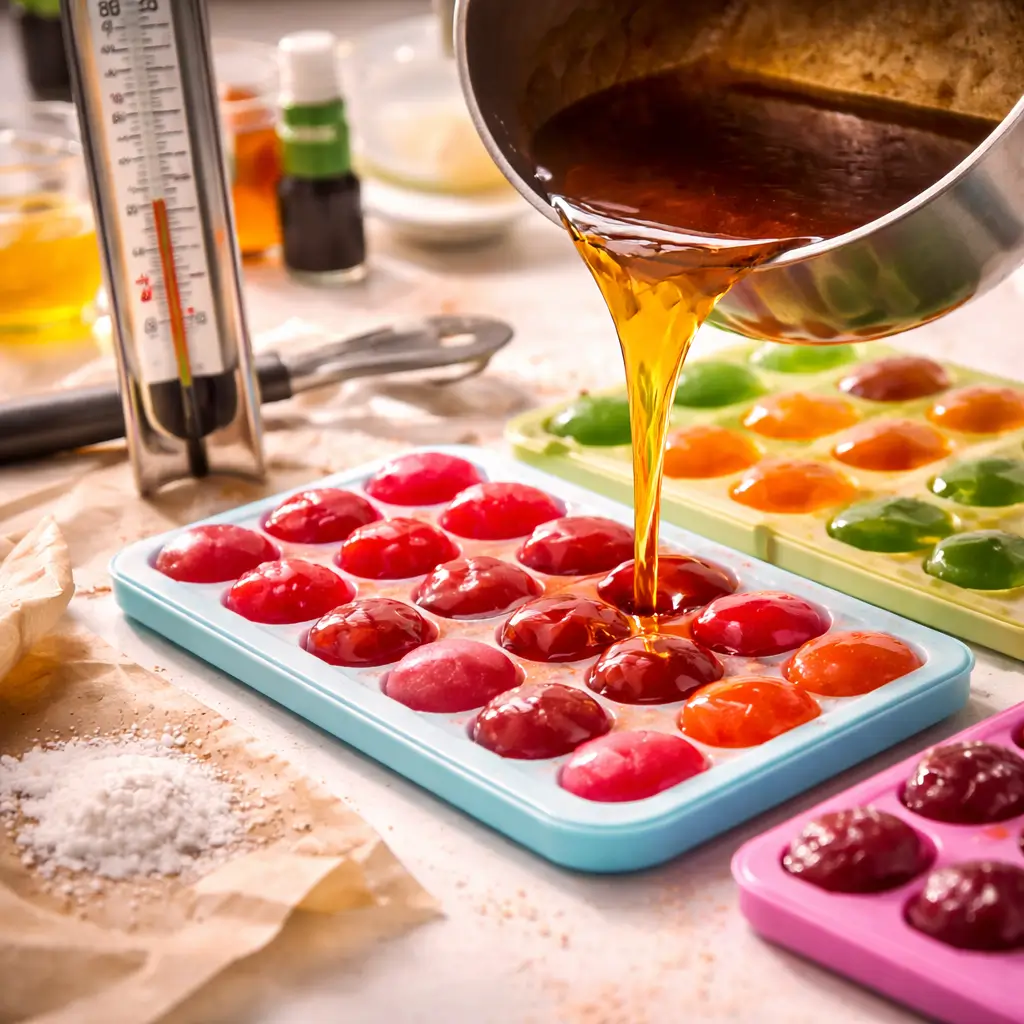
Start by combining one cup of sugar, half a cup of corn syrup, and one third cup of water in a saucepan. Heat the mixture over medium heat while stirring gently until the sugar dissolves. Once dissolved, stop stirring and allow the mixture to cook until it reaches about 300 degrees Fahrenheit. This stage is known as the hard crack stage in candy making.
After reaching the correct temperature, remove the saucepan from heat immediately. Carefully stir in flavor extract, optional food coloring, and the measured cannabis tincture. Mixing at this stage helps distribute the infusion evenly without exposing cannabinoids to excessive heat.
Pour the hot candy mixture onto a silicone mat or into prepared candy molds. Allow it to cool completely at room temperature until the candies harden. Once cooled, they can be broken into pieces or removed from molds and stored in airtight containers.
Key Temperature Stages in Candy Making
| Temperature | Candy Stage | Resulting Texture |
|---|---|---|
| 235 to 240°F | Soft ball | Used for fudge and fondant |
| 245 to 250°F | Firm ball | Used for caramel candies |
| 300°F | Hard crack | Used for hard candy |
Careful temperature control ensures that the final candies maintain the correct texture while preserving the potency of the infused ingredients.
How to Make Cannabis Infused Chocolate Candies
Chocolate is one of the simplest bases for infused sweets because it melts easily and blends smoothly with infused fats. Many home cooks prefer chocolate edibles since the rich flavor can help balance the natural herbal notes of cannabis. The process also requires fewer cooking steps compared with sugar based candies.
To start, choose high quality chocolate. Dark chocolate works well because its bold flavor pairs naturally with infused ingredients, although milk chocolate and white chocolate can also be used. Chocolate chips or chopped chocolate bars both melt effectively and produce smooth results.
Begin by melting about two cups of chocolate using a double boiler or microwave. If using a microwave, heat the chocolate in short intervals of about twenty seconds, stirring between each interval to prevent burning. Once the chocolate is fully melted and smooth, allow it to cool slightly before adding the infused oil or butter.

Add a measured amount of cannabis infused coconut oil or butter to the melted chocolate and stir slowly until the mixture becomes completely uniform. Gentle mixing ensures the infusion distributes evenly throughout the batch. At this stage, flavor additions such as vanilla extract, sea salt, crushed nuts, or dried fruit can also be incorporated.
Pour the mixture into silicone molds or a parchment lined tray. Small square molds or mini chocolate molds work especially well for portion control. Place the filled molds in the refrigerator for about thirty minutes until the chocolate fully solidifies.
Chocolate Candy Base Ratios
| Ingredient | Amount | Purpose |
|---|---|---|
| Melted chocolate | 2 cups | Main candy base |
| Infused coconut oil or butter | 1 to 2 teaspoons | Provides infusion |
| Vanilla extract | ½ teaspoon | Enhances flavor |
| Optional mix ins | As desired | Texture and taste |
Once hardened, remove the chocolates from the molds and store them in a cool place. Proper storage helps maintain texture and prevents melting, especially in warmer environments.
Dosage Awareness and Responsible Consumption
When preparing infused sweets at home, dosage awareness is one of the most important factors to understand. Edible cannabis affects the body differently than inhaled forms because it must pass through the digestive system and liver before entering the bloodstream. This process can produce stronger and longer lasting effects compared with smoking or vaping.
Beginners should start with very small amounts of infused ingredients when preparing homemade candies. In many U.S. states where cannabis is legal, a standard edible serving often contains about 5 to 10 milligrams of THC. Using a known potency infusion allows you to divide the mixture into portions that approximate this range.
Another important factor is the delayed onset of effects. After consuming infused candy, the effects may take between 30 minutes and 2 hours to appear. Because of this delay, consuming additional servings too quickly can lead to uncomfortable experiences. Waiting the full amount of time before deciding whether to consume more is strongly recommended.
Responsible consumption also includes labeling and safe storage. Homemade edibles should always be kept clearly labeled and stored in sealed containers. This helps prevent accidental consumption by children, pets, or individuals who may not realize the candies contain cannabis.
Understanding personal tolerance is equally important. Each person metabolizes cannabinoids differently, so what feels mild for one individual may feel much stronger for another. Beginning with a small serving and gradually adjusting in future batches allows people to find a comfortable level.
By prioritizing accurate dosing, patience, and safe storage practices, adults can enjoy homemade infused candies in a responsible and controlled way.
Storage Tips for Cannabis Infused Candies
Proper storage plays an important role in maintaining the quality, flavor, and stability of homemade infused sweets. When candies are stored correctly, they can keep their texture, potency, and taste for much longer periods. Temperature, humidity, and air exposure are the main factors that influence how well infused candies hold up over time.
The first rule of storage is using airtight containers. Exposure to air can cause candies to dry out or become sticky depending on the ingredients used. Glass jars with tight lids or food safe storage containers work well for protecting texture and preventing moisture from entering.
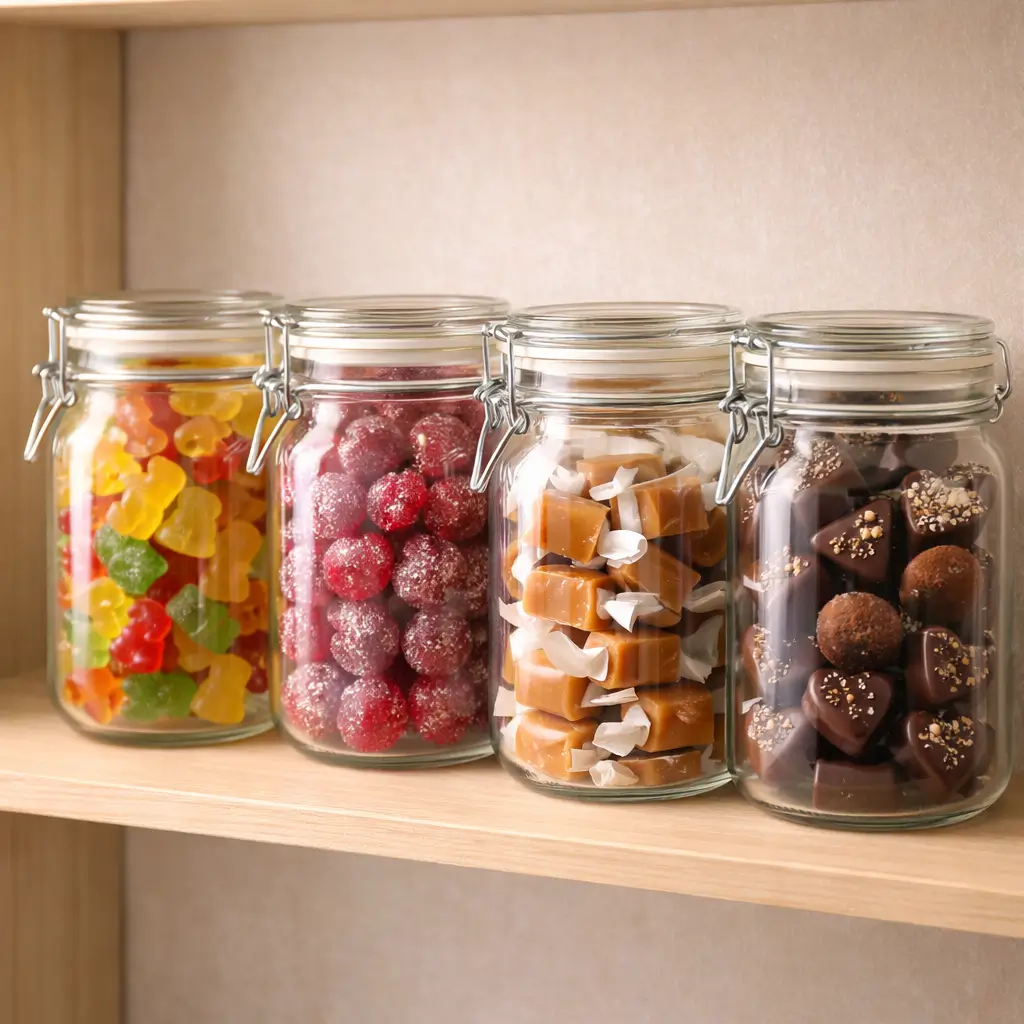
Temperature control is also important. Many infused candies should be stored in a cool environment between 60 and 70 degrees Fahrenheit. Chocolate based treats benefit from refrigeration to prevent melting, while gummies may last longer in the refrigerator because cooler temperatures help them maintain their shape.
Another helpful step is separating layers of candy with parchment paper. This prevents pieces from sticking together during storage. Hard candies especially benefit from this method because humidity can cause them to become tacky over time.
Labeling containers clearly is a critical safety practice. Homemade edibles should always be marked so that anyone who opens the container understands that the candy contains cannabis. This reduces the risk of accidental consumption.
Recommended Storage Conditions
| Candy Type | Best Storage Method | Typical Shelf Life |
|---|---|---|
| Gummies | Airtight container in refrigerator | 2 to 3 weeks |
| Hard candies | Cool dry pantry | 1 to 2 months |
| Chocolate candies | Refrigerated airtight container | 2 to 3 weeks |
| Caramels | Cool container with parchment layers | 3 to 4 weeks |
Maintaining proper storage conditions helps preserve flavor, texture, and consistency while keeping homemade infused candies safe and enjoyable to consume.
Common Mistakes to Avoid When Making Infused Candy
Making infused sweets at home can be rewarding, but several common mistakes can affect flavor, texture, and potency. Understanding these issues in advance helps improve consistency and ensures better results with each batch.
One frequent mistake is overheating infused ingredients. Cannabinoids can degrade when exposed to excessive heat for long periods. When adding infused oil or butter to candy mixtures, it is best to mix them in after the base has slightly cooled. This helps preserve potency while still allowing the infusion to blend evenly into the candy.
Another problem many beginners encounter is uneven distribution of infused oil. If the mixture is not stirred thoroughly, some pieces may contain more cannabinoids than others. Continuous mixing during the final stages of preparation helps ensure each portion contains a more consistent amount.
Incorrect temperature control is also a major challenge in candy making. Sugar based candies require specific temperature ranges to reach the proper texture. Without a candy thermometer, it becomes difficult to determine when the mixture has reached the correct stage. Investing in a reliable thermometer significantly improves the outcome.
Improper mold preparation can also affect the final product. If molds are not clean or lightly coated when necessary, candies may stick or lose their shape during removal. Silicone molds are often the easiest option because they allow candies to release smoothly.
Finally, inaccurate portioning can lead to unpredictable serving sizes. Dividing the mixture carefully into equal molds or pieces helps maintain consistent dosing and improves the overall experience.
Avoiding these common mistakes allows home cooks to produce candies that taste better, maintain proper texture, and deliver more reliable results.
Conclusion
Cannabis candy recipes provide an accessible and creative way for adults to explore infused edibles while enjoying familiar sweet flavors. By learning the basics of infusion, temperature control, and accurate portioning, home cooks can prepare a wide range of treats including gummies, chocolates, hard candies, and caramels. These recipes offer flexibility, allowing people to experiment with flavors, textures, and ingredient variations while maintaining control over potency.
At the same time, responsible preparation and consumption are essential when working with infused foods. Understanding dosage, labeling homemade products clearly, and storing them safely helps prevent accidental use and supports a positive experience. With careful planning and attention to detail, cannabis candy recipes can become a fun culinary project that combines candy making techniques with modern edible preparation.
Frequently Asked Questions
What are cannabis candy recipes and how do they work?
Cannabis candy recipes are methods used to prepare edible sweets infused with cannabinoids such as THC or CBD. These recipes typically involve combining infused oils, butter, or tinctures with traditional candy ingredients like sugar, gelatin, or chocolate. Cannabis candy recipes allow cannabinoids to be consumed through digestion, which produces longer lasting effects compared with inhalation. Proper preparation ensures that cannabis candy recipes provide consistent flavor, texture, and controlled portions.
What types of sweets can be made using cannabis candy recipes?
Many different sweets can be prepared using cannabis candy recipes. Popular options include gummies, hard candies, chocolate truffles, and caramel squares. Each type of candy uses a different cooking technique and ingredient balance. Some cannabis candy recipes focus on chewy textures, while others create firm or creamy candies. The variety of possibilities makes cannabis candy recipes appealing for people who enjoy experimenting with different flavors and candy styles.
How long do cannabis candy recipes take to prepare?
The time required for cannabis candy recipes depends on the type of candy being made. Gummies and chocolates may take around one to two hours including cooling time. Hard candies and caramels sometimes require additional cooking time to reach the correct temperature. Some cannabis candy recipes also involve preparing infused oil or butter in advance, which can add a few hours to the overall process.
Are cannabis candy recipes legal in the United States?
The legality of cannabis candy recipes depends on the state where you live. Several states allow adults to possess and prepare cannabis products for personal use, while others have stricter laws. Before attempting cannabis candy recipes at home, it is important to review local regulations and ensure that preparing infused edibles is permitted in your area.
How should beginners approach cannabis candy recipes?
Beginners should start with simple cannabis candy recipes such as gummies or chocolate candies. These recipes require fewer steps and lower cooking temperatures. Starting with basic cannabis candy recipes also allows new cooks to focus on accurate dosing and ingredient balance before attempting more complex candies like caramel or hard candy.
How can you control potency in cannabis candy recipes?
Potency control in cannabis candy recipes depends on knowing the strength of the infused oil or butter being used. Once the total amount of cannabinoids in the infusion is known, the candy mixture can be divided into equal servings. Careful measurement and consistent portioning help ensure cannabis candy recipes produce predictable serving sizes.
How should cannabis candies be stored after following cannabis candy recipes?
After preparing cannabis candy recipes, the finished candies should be stored in airtight containers. Many cannabis candy recipes produce sweets that last longer when kept in cool environments such as refrigerators or dry pantries. Proper storage helps maintain flavor, texture, and potency.
Why are homemade cannabis candy recipes popular?
Many people enjoy cannabis candy recipes because they allow full control over ingredients, flavor, and potency. Homemade preparation also gives cooks the freedom to experiment with fruit flavors, chocolate varieties, and different candy textures. For adults in areas where it is legal, cannabis candy recipes provide a creative way to prepare personalized edible treats.
Follow us on Pinterest
Cannabis Candy Recipes Sweet, Easy Edibles Anyone Can Master
Ingredients
Method
- Pour the fruit juice into a small saucepan and warm it over low heat. Do not let the juice boil.
- Slowly sprinkle the gelatin into the warm juice while whisking continuously to prevent clumps.
- Add honey or corn syrup and stir until the mixture becomes smooth and fully dissolved.
- Stir in the cannabis infused coconut oil and mix thoroughly so the infusion distributes evenly.
- Add lemon juice and optional food coloring, then stir for about 30 seconds.
- Carefully pour the mixture into silicone gummy molds using a small measuring cup or dropper.
- Place the molds in the refrigerator and allow the gummies to set for about one hour.
- Remove the gummies from the molds and store them in an airtight container.
Notes
Use high quality infused oil for consistent results.
Store gummies in an airtight container in the refrigerator for best texture.
Label containers clearly and keep out of reach of children and pets.