
The Gordon Ramsay Hollandaise Sauce Recipe has become a gold standard for home cooks who want to elevate simple dishes into restaurant quality meals. Known for its silky texture, rich buttery flavor, and delicate balance of acidity, hollandaise sauce is one of the five classic French mother sauces. Yet, despite its reputation, it does not have to be intimidating.
When guided by the techniques popularized by Gordon Ramsay, this sauce transforms from a fragile culinary challenge into a reliable, repeatable success. His approach focuses on precision, temperature control, and simplicity, making it accessible even for beginners while still delivering professional results.
What Makes This Hollandaise Sauce Special
At its core, hollandaise sauce is an emulsion of egg yolks, butter, and acid, usually lemon juice or vinegar. The brilliance of the Gordon Ramsay Hollandaise Sauce Recipe lies in how it simplifies this process without compromising on flavor or texture.
Unlike traditional methods that rely heavily on double boilers and constant whisking over heat, Ramsay’s version often incorporates a more controlled blending technique. This reduces the risk of curdling and ensures a consistently smooth sauce every time.
The defining characteristics of this recipe include:
A luxuriously smooth and creamy consistency
A bright, tangy finish from fresh lemon juice
A rich, buttery depth that enhances without overpowering
A foolproof technique that minimizes common mistakes
Why Home Cooks Love the Gordon Ramsay Hollandaise Sauce Recipe
There is a reason this recipe has gained massive popularity among American home cooks. It delivers restaurant quality results without requiring professional training or specialized equipment.
First, it is incredibly versatile. While it is famously paired with eggs Benedict, it also complements a wide range of dishes including steamed asparagus, grilled salmon, roasted vegetables, and even steak.
Second, the method is efficient. Traditional hollandaise can be time consuming and stressful, especially for beginners. This version streamlines the process, making it practical for weekend brunches or even quick weekday meals.
Third, it builds confidence in the kitchen. Mastering emulsification is a key culinary skill, and this recipe serves as an excellent introduction. Once you understand how the ingredients interact, you can adapt and customize the sauce to your taste.
- Craving a creamy, comforting dessert that tastes just like the store bought favorite? Discover how to make it at home in this guide Kozy Shack Rice Pudding Copycat Recipe You Will Love.
The Role of Technique in Perfect Hollandaise
The success of any hollandaise sauce depends less on the ingredients and more on how they are handled. Temperature is the most critical factor. If the eggs get too hot, they scramble. If the butter is added too quickly, the sauce can separate.
Ramsay’s method emphasizes gradual incorporation and constant movement. Whether whisking by hand or using a blender, the goal is to create a stable emulsion where fat and liquid bind together seamlessly.
Key technical principles include:
Maintaining gentle, consistent heat
Adding butter slowly to stabilize the emulsion
Whisking continuously to prevent separation
Balancing acidity at the end for a clean finish
These fundamentals are what make the Gordon Ramsay Hollandaise Sauce Recipe reliable, even for those attempting it for the first time.
Understanding the Flavor Profile
A well made hollandaise sauce should never feel heavy or greasy. Instead, it should taste balanced and refined. The butter provides richness, the egg yolks add body, and the lemon juice cuts through with brightness.
In this recipe, seasoning plays a subtle but important role. A pinch of salt enhances the overall flavor, while optional additions like cayenne pepper introduce a gentle warmth without overwhelming the sauce.
The final result is a sauce that feels light yet indulgent, making it the perfect finishing touch for both simple and sophisticated dishes.
Common Misconceptions About Hollandaise Sauce
Many home cooks avoid making hollandaise because they believe it is too difficult or prone to failure. However, most of these concerns come from outdated methods or lack of proper guidance.
One common myth is that hollandaise always breaks easily. In reality, with proper temperature control and gradual mixing, it is quite stable.
Another misconception is that it requires advanced culinary skills. The Gordon Ramsay Hollandaise Sauce Recipe proves otherwise by breaking the process into manageable steps that anyone can follow.
Finally, some believe it must be served immediately and cannot be held. While it is best fresh, it can be kept warm for a short period with careful handling, making it more practical than many assume.
Setting Expectations Before You Start
Before diving into the recipe, it is important to understand that hollandaise sauce rewards attention to detail. This is not a set it and forget it preparation. It requires focus, but the payoff is well worth it.
Expect to spend a few minutes actively engaged in the process. In return, you will gain a deeper understanding of emulsification and a versatile sauce that can elevate countless meals.
Once you master this technique, it opens the door to other classic sauces like béarnaise, which builds directly on the same foundation.
The Gordon Ramsay Hollandaise Sauce Recipe is not just about making a sauce. It is about learning a skill that enhances your overall cooking ability and brings a professional touch to your kitchen.
Essential Ingredients for the Gordon Ramsay Hollandaise Sauce Recipe
The beauty of the Gordon Ramsay Hollandaise Sauce Recipe lies in its simplicity. With just a handful of carefully selected ingredients, you can create a sauce that tastes refined and luxurious. However, the quality and handling of each component play a crucial role in the final result.
Core Ingredients You Need
Every ingredient in this recipe has a specific purpose. When combined correctly, they create a smooth, stable emulsion with a balanced flavor.
Egg Yolks
Egg yolks are the foundation of hollandaise sauce. They act as the emulsifier, binding the butter and liquid together into a creamy texture. Fresh eggs are essential here, as they provide better structure and flavor.
Use large egg yolks at room temperature. Cold yolks can make emulsification more difficult and may affect the consistency of the sauce.
Unsalted Butter
Butter is the heart of the Gordon Ramsay Hollandaise Sauce Recipe. It provides richness and body while contributing to the silky mouthfeel.
Unsalted butter is preferred because it allows better control over seasoning. Melt the butter gently before incorporating it, ensuring it is warm but not hot. Overheated butter can disrupt the emulsion and lead to separation.
Clarified butter can also be used for a more refined texture, but whole melted butter works perfectly for most home cooks.
Fresh Lemon Juice
Lemon juice brings brightness and balance to the sauce. Without acidity, hollandaise would taste overly rich and heavy.
Freshly squeezed lemon juice is always the best option. Bottled juice lacks the same vibrant flavor and can alter the overall taste of the sauce.
Add the lemon juice gradually, tasting as you go to achieve the perfect balance.
Salt
Salt enhances all the flavors in the sauce. A small pinch is usually enough, but it should be adjusted to taste.
Fine salt dissolves more easily and integrates better into the emulsion.
Optional Cayenne Pepper
A touch of cayenne pepper adds a subtle warmth that complements the richness of the butter. It is not meant to make the sauce spicy, but rather to deepen the flavor profile.
This ingredient is optional, but highly recommended for a more dynamic taste.
Ingredient Quality Matters More Than Quantity
Because this recipe uses so few ingredients, there is no room to hide imperfections. Each component should be as fresh and high quality as possible.
Choose real butter instead of margarine or substitutes
Use fresh lemons rather than pre packaged juice
Select high quality eggs with bright, rich yolks
These small decisions make a noticeable difference in the final sauce.
Ingredient Ratios for Perfect Balance
One of the reasons the Gordon Ramsay Hollandaise Sauce Recipe works so well is its balanced ratio of ingredients. Too much butter can overwhelm the sauce, while too much acid can make it sharp.
A typical ratio includes:
Three egg yolks
About one cup of melted butter
One to two tablespoons of lemon juice
A pinch of salt and cayenne
This balance creates a sauce that is rich but not heavy, tangy but not sour, and smooth without being overly thick.
Substitutions and Variations
While the classic version is hard to beat, there are a few variations you can explore once you are comfortable with the base recipe.
Vinegar Instead of Lemon Juice
Some traditional recipes use white wine vinegar instead of lemon juice. This creates a slightly different acidity with a more subtle tang.
Adding Herbs
Fresh herbs such as tarragon or chives can be added for extra flavor. This begins to move the sauce toward a béarnaise style profile.
Dairy Free Alternatives
While not traditional, some cooks experiment with plant based butter alternatives. The results can vary, and achieving a stable emulsion may be more challenging.
Preparing Ingredients Before Cooking
Preparation is key to success. Before you begin making the sauce, ensure everything is ready.
Separate the egg yolks carefully
Melt the butter and keep it warm
Juice the lemon and strain out seeds
Measure all ingredients in advance
Having everything prepared allows you to focus entirely on the emulsification process without interruptions.
Common Ingredient Mistakes to Avoid
Even simple ingredients can cause issues if handled incorrectly.
Using butter that is too hot can cook the eggs prematurely
Adding lemon juice too early can affect emulsification
Using cold ingredients can slow down the process and lead to separation
By avoiding these common mistakes, you set yourself up for a smooth and successful cooking experience.
The Gordon Ramsay Hollandaise Sauce Recipe proves that great cooking does not require complicated ingredients. Instead, it relies on understanding how a few key components work together to create something exceptional.
Step by Step Gordon Ramsay Hollandaise Sauce Recipe for Perfect Results
Mastering the Gordon Ramsay Hollandaise Sauce Recipe comes down to execution. Once your ingredients are prepared, the real transformation begins. This is where technique, timing, and attention come together to create that signature smooth and velvety sauce.
Unlike overly complicated traditional methods, this approach is designed to be approachable while still delivering professional quality results.
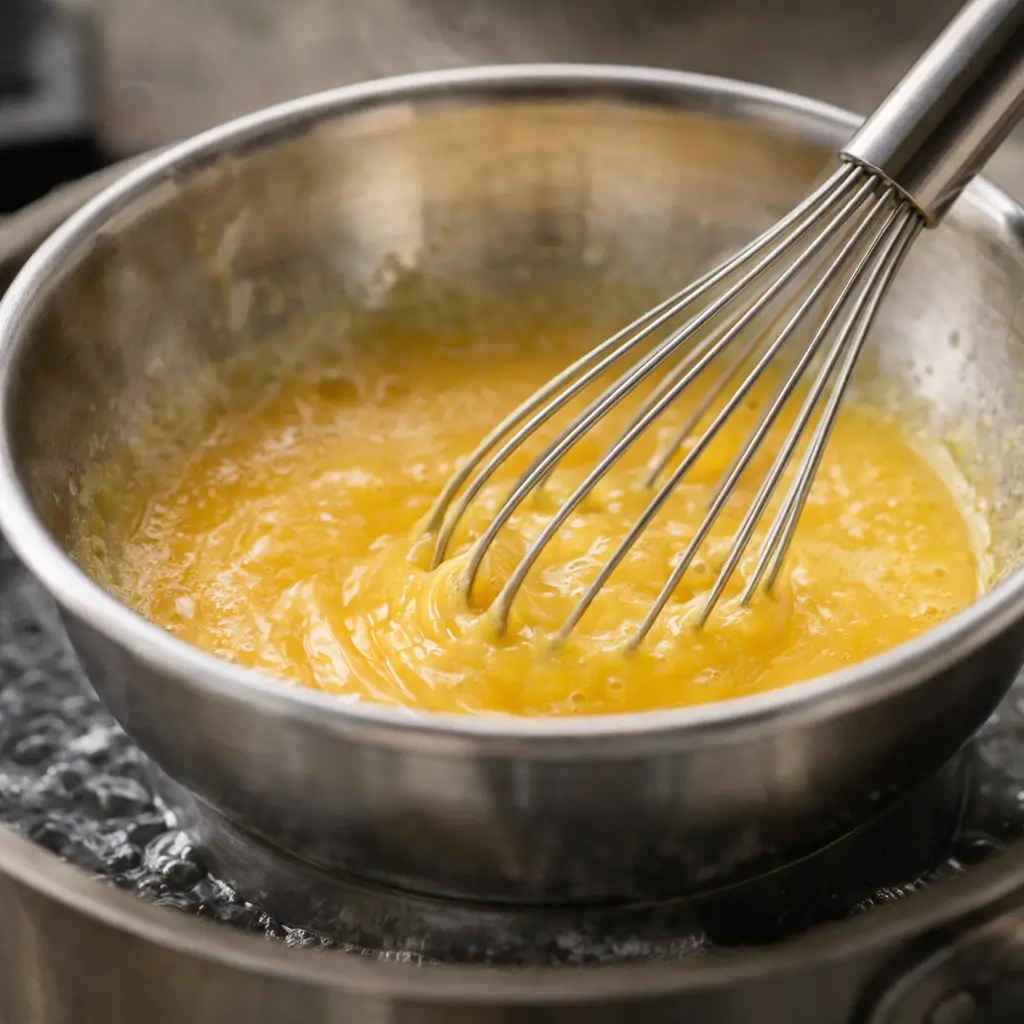
Preparing Your Workspace for Success
Before you begin cooking, set yourself up properly. Hollandaise sauce moves quickly, so having everything within reach is essential.
What You Need Ready
A heatproof bowl or blender
A whisk if working by hand
A small saucepan for melting butter
A clean, dry kitchen towel to stabilize your bowl
All ingredients measured and at room temperature
A calm, organized setup reduces stress and helps you focus on technique.
Step by Step Method Using the Classic Whisk Technique
This traditional approach gives you full control over the sauce and helps you understand how emulsification works.
Step 1: Create a Gentle Heat Base
Fill a saucepan with a small amount of water and bring it to a light simmer. Place a heatproof bowl over the pan, ensuring the bottom does not touch the water.
Add the egg yolks to the bowl and begin whisking immediately. The goal is to warm them gently without scrambling.
Step 2: Whisk Until Slightly Thickened
As you whisk, the yolks will begin to thicken and become pale. This stage is crucial because it builds the base structure of the sauce.
Keep the heat low and consistent. If the mixture gets too hot, remove the bowl briefly while continuing to whisk.
Step 3: Slowly Add Melted Butter
This is the most important step in the Gordon Ramsay Hollandaise Sauce Recipe.
Begin adding the melted butter very slowly, just a few drops at first. Continue whisking constantly as you pour.
Once the sauce starts to thicken and stabilize, you can increase the flow of butter slightly, but always keep it gradual.
This slow incorporation ensures the fat binds properly with the egg yolks, creating a smooth emulsion.
Step 4: Adjust Consistency
If the sauce becomes too thick, add a small amount of warm water to loosen it. This helps maintain a silky texture without breaking the emulsion.
Whisk gently to combine.
Step 5: Add Lemon Juice and Seasoning
Remove the bowl from heat before adding the lemon juice. This preserves its fresh flavor and prevents overcooking.
Add salt and a pinch of cayenne pepper. Taste and adjust as needed.
The final sauce should be smooth, glossy, and lightly thickened.
Alternative Method Using a Blender
For a quicker and more beginner friendly approach, the blender method is highly effective and widely recommended.
How It Works
Place egg yolks and lemon juice in a blender
Blend briefly until combined
Slowly pour in warm melted butter while blending continuously
Continue until the sauce thickens and becomes creamy
This method reduces the risk of overheating and makes emulsification more consistent.
Visual and Texture Cues to Watch For
Understanding what to look for is just as important as following the steps.
The sauce should coat the back of a spoon
It should have a glossy, smooth appearance
There should be no visible separation or graininess
If the texture feels heavy or greasy, it may indicate too much butter added too quickly.
Timing and Temperature Control
Temperature is the most critical factor in the Gordon Ramsay Hollandaise Sauce Recipe.
Too much heat leads to scrambled eggs
Too little heat prevents proper thickening
Aim for gentle warmth throughout the process. If you ever feel unsure, removing the sauce from heat while continuing to whisk is always a safe adjustment.
How to Fix Common Issues Mid Process
Even experienced cooks occasionally run into problems. The good news is that most issues can be corrected.
If the Sauce Splits
Add a teaspoon of warm water and whisk vigorously. This can help bring the emulsion back together.
If It Becomes Too Thick
Whisk in a small amount of warm water or lemon juice to loosen the texture.
If It Starts to Curdle
Immediately remove from heat and whisk continuously. Cooling it slightly can stop further cooking.
Final Check Before Serving
Before serving, take a moment to evaluate your sauce.
Taste for balance between richness and acidity
Check the consistency and adjust if needed
Ensure it is warm but not hot
The Gordon Ramsay Hollandaise Sauce Recipe is all about precision with flexibility. Once you understand the process, it becomes second nature and can be executed with confidence every time.
Expert Tips to Perfect the Gordon Ramsay Hollandaise Sauce Recipe Every Time
The difference between a good sauce and an exceptional one often comes down to refinement. While the step by step method helps you execute the Gordon Ramsay Hollandaise Sauce Recipe, these expert level insights will help you master it. Small adjustments in technique can dramatically improve consistency, flavor, and presentation.
Understanding the Science Behind the Gordon Ramsay Hollandaise Sauce Recipe
At its core, the Gordon Ramsay Hollandaise Sauce Recipe is an emulsion. This means you are combining two elements that normally do not mix, fat and liquid, into a stable, unified sauce.
Why Emulsification Matters
Egg yolks contain natural emulsifiers that bind butter and liquid together. When done correctly, this creates the signature creamy texture of the Gordon Ramsay Hollandaise Sauce Recipe.
If the balance is off or the process is rushed, the sauce can separate. That is why slow incorporation and steady whisking are essential.
Temperature Control Tips for Consistent Results
Temperature is the most common reason the Gordon Ramsay Hollandaise Sauce Recipe fails. Managing heat correctly ensures your sauce stays smooth and stable.
Keep Heat Gentle and Controlled
Always use low to medium heat when preparing the Gordon Ramsay Hollandaise Sauce Recipe. High heat will cook the eggs too quickly and ruin the texture.
If you notice the mixture thickening too fast, remove it from heat immediately while continuing to whisk.
Use Warm Butter, Not Hot Butter
Butter should be melted and warm, but never boiling. Extremely hot butter can shock the egg yolks and break the emulsion in the Gordon Ramsay Hollandaise Sauce Recipe.
A good rule is to let melted butter sit for a minute before adding it.
Timing Techniques That Improve the Gordon Ramsay Hollandaise Sauce Recipe
Timing plays a subtle but critical role in achieving perfect results.
Add Butter Gradually
The most important rule in the Gordon Ramsay Hollandaise Sauce Recipe is patience. Start with a very slow drizzle of butter, then increase slightly once the emulsion begins to form.
Rushing this step is the fastest way to ruin the sauce.
Finish with Acid at the Right Moment
Always add lemon juice at the end of the Gordon Ramsay Hollandaise Sauce Recipe. This preserves its brightness and prevents interference with the emulsification process.
Flavor Balancing Secrets
A well executed Gordon Ramsay Hollandaise Sauce Recipe should taste balanced, not overwhelming.
Adjust Acidity Carefully
Lemon juice should enhance the sauce, not dominate it. Add small amounts, taste, and adjust gradually.
Season in Layers
Instead of adding all seasoning at once, build flavor step by step. This approach gives you more control over the final taste of the Gordon Ramsay Hollandaise Sauce Recipe.
Professional Texture Enhancements
Texture is what sets apart a restaurant quality sauce from an average one.
Use a Splash of Warm Water
Adding a small amount of warm water can lighten the texture of the Gordon Ramsay Hollandaise Sauce Recipe without diluting flavor. This creates a smoother, more elegant finish.
Strain for Ultra Smooth Results
For an extra refined presentation, you can strain the sauce through a fine sieve. This removes any small bits and ensures a perfectly silky consistency.
Holding and Serving the Sauce Properly
The Gordon Ramsay Hollandaise Sauce Recipe is best served fresh, but it can be held briefly with proper care.
Keep It Warm, Not Hot
Store the sauce in a warm place, such as near the stove, but avoid direct heat. Overheating will cause separation.
Stir Before Serving
Give the sauce a gentle stir before serving to maintain its smooth texture.
Common Mistakes That Ruin the Gordon Ramsay Hollandaise Sauce Recipe
Even with a great recipe, small errors can lead to disappointing results.
Adding butter too quickly
Using high heat
Skipping constant whisking
Adding acid too early
Not tasting and adjusting seasoning
Avoiding these mistakes will significantly improve your success rate with the Gordon Ramsay Hollandaise Sauce Recipe.
Elevating the Gordon Ramsay Hollandaise Sauce Recipe with Variations
Once you have mastered the classic version, you can explore creative variations while staying true to the base technique.
Herb Infused Hollandaise
Add finely chopped herbs such as tarragon or chives to give the Gordon Ramsay Hollandaise Sauce Recipe a fresh and aromatic twist.
Spicy Hollandaise
Increase the cayenne slightly or add a dash of hot sauce for a subtle kick.
Garlic Enhanced Version
A small amount of roasted garlic can add depth without overpowering the sauce.
Final Thoughts on Mastery
Perfecting the Gordon Ramsay Hollandaise Sauce Recipe is not about memorizing steps. It is about understanding how ingredients interact and responding to subtle changes during cooking.
With practice, your confidence will grow, and the process will feel natural. This sauce is more than just a topping. It is a skill that transforms your cooking and allows you to create dishes that feel truly elevated.
Best Dishes to Serve with Gordon Ramsay Hollandaise Sauce Recipe
Once you have mastered the Gordon Ramsay Hollandaise Sauce Recipe, the next step is knowing how to use it. This sauce is incredibly versatile and can transform simple ingredients into elegant, restaurant quality dishes. Its rich, buttery texture and bright acidity make it the perfect finishing element for a wide range of meals.
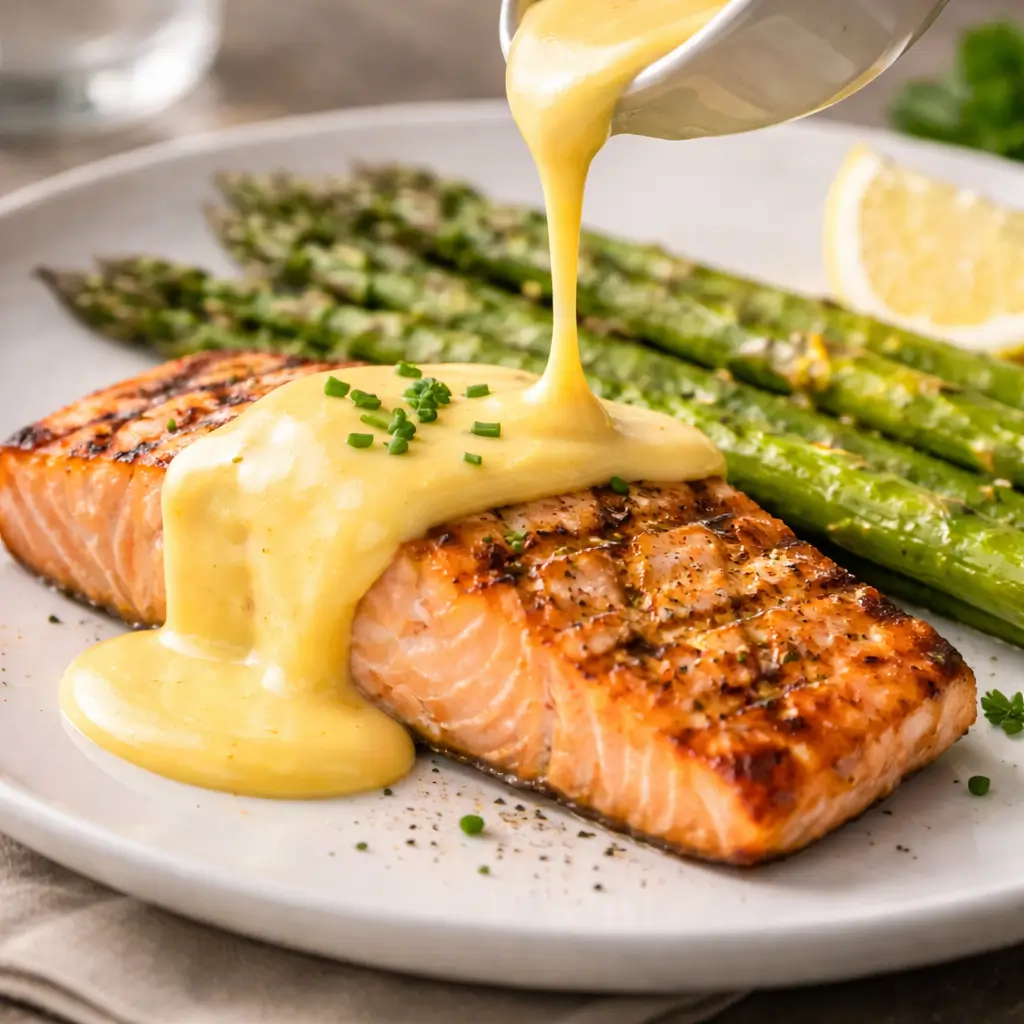
Classic Pairings That Highlight the Gordon Ramsay Hollandaise Sauce Recipe
Some dishes are timeless for a reason. These pairings allow the Gordon Ramsay Hollandaise Sauce Recipe to truly shine.
Eggs Benedict
This is the most iconic pairing. Toasted English muffins, perfectly poached eggs, and savory ham or Canadian bacon come together under a generous layer of hollandaise.
The creamy texture of the sauce complements the runny yolk, creating a luxurious bite every time. The Gordon Ramsay Hollandaise Sauce Recipe adds a refined balance that elevates this brunch favorite.
Steamed or Roasted Asparagus
Asparagus and hollandaise are a classic combination in American and European cuisine. The slight bitterness of asparagus is perfectly balanced by the richness of the sauce.
Drizzle the Gordon Ramsay Hollandaise Sauce Recipe over freshly cooked asparagus for a simple yet elegant side dish.
Grilled Salmon
The light, flaky texture of salmon pairs beautifully with the creamy consistency of hollandaise. The acidity from the sauce cuts through the natural oils of the fish, creating a balanced and satisfying dish.
Using the Gordon Ramsay Hollandaise Sauce Recipe with salmon brings a restaurant level finish to a home cooked meal.
Unexpected Ways to Use the Gordon Ramsay Hollandaise Sauce Recipe
While traditional pairings are always reliable, there are many creative ways to incorporate this sauce into everyday cooking.
Steak with Hollandaise
Replacing traditional steak sauces with the Gordon Ramsay Hollandaise Sauce Recipe creates a rich and luxurious experience. The buttery flavor enhances the natural taste of the meat without overpowering it.
Roasted Vegetables
Carrots, broccoli, and zucchini all benefit from a drizzle of hollandaise. The sauce adds depth and richness, turning simple roasted vegetables into a standout dish.
Breakfast Sandwiches
Upgrade your morning routine by adding the Gordon Ramsay Hollandaise Sauce Recipe to breakfast sandwiches. It pairs especially well with eggs, bacon, and toasted bread.
Building a Complete Meal Around the Sauce
The Gordon Ramsay Hollandaise Sauce Recipe works best when paired thoughtfully with other components.
Balance Richness with Fresh Elements
Since the sauce is rich, it is important to include fresh or acidic elements in your meal. Light salads, citrus dressed greens, or fresh herbs help balance the overall dish.
Choose Complementary Textures
Pair the smoothness of the sauce with ingredients that offer contrast. Crisp vegetables, toasted bread, or seared proteins create a more dynamic eating experience.
Portioning the Sauce Correctly
Hollandaise is powerful, so a little goes a long way. Using too much can overwhelm a dish.
How Much to Use
A few spoonfuls are usually enough to enhance flavor without dominating it. The goal is to complement, not cover.
Serving Temperature Matters
The Gordon Ramsay Hollandaise Sauce Recipe should be served warm. If it becomes too cool, it may thicken excessively. If it gets too hot, it can separate.
Presentation Tips for a Professional Look
Presentation can make a big difference, especially when serving guests.
Use a Spoon or Small Pitcher
Drizzle the sauce carefully rather than pouring it all at once. This gives you better control and creates a more refined appearance.
Garnish Thoughtfully
Fresh herbs such as chives or parsley can add color and freshness to dishes featuring the Gordon Ramsay Hollandaise Sauce Recipe.
When to Serve the Gordon Ramsay Hollandaise Sauce Recipe
This sauce is most commonly associated with brunch, but it is not limited to that.
Brunch and Breakfast
Perfect for eggs Benedict, breakfast bowls, and egg based dishes.
Lunch and Dinner
Works well with seafood, poultry, and vegetables, making it a versatile option for any time of day.
Making the Gordon Ramsay Hollandaise Sauce Recipe the Star
In some dishes, the sauce is not just an addition but the highlight. When used correctly, the Gordon Ramsay Hollandaise Sauce Recipe can define the entire meal.
Focus on simple, high quality ingredients and let the sauce bring everything together. This approach ensures that every bite feels balanced, rich, and satisfying.
Mastering how to pair and serve this sauce is just as important as learning how to make it. Once you understand its versatility, the Gordon Ramsay Hollandaise Sauce Recipe becomes an essential tool in your kitchen.
Storage, Reheating, and Make Ahead Tips for Gordon Ramsay Hollandaise Sauce Recipe
The Gordon Ramsay Hollandaise Sauce Recipe is best enjoyed fresh, but real life cooking often requires flexibility. Whether you are preparing brunch for guests or planning ahead, understanding how to store and handle this sauce properly will help you maintain its quality and texture.
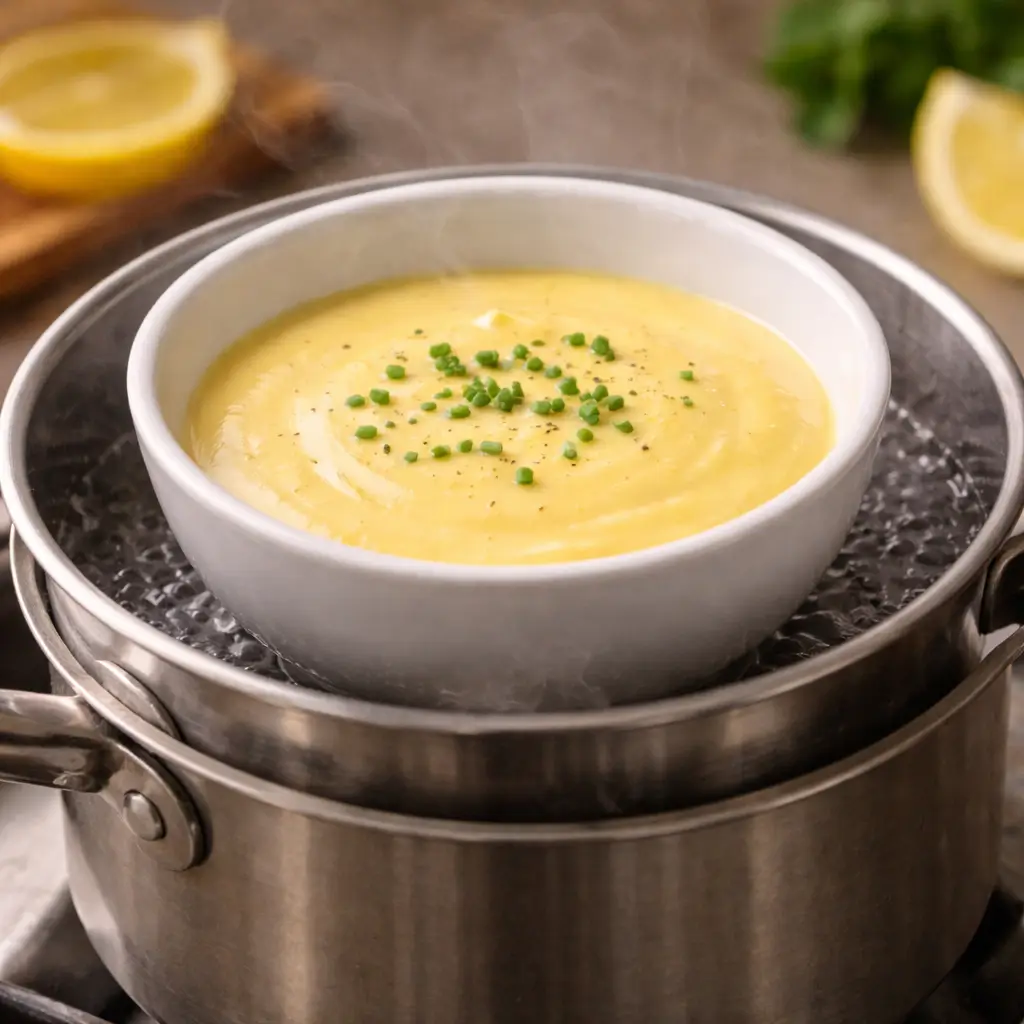
Can You Store the Gordon Ramsay Hollandaise Sauce Recipe
Hollandaise sauce is delicate by nature, but it can be stored for a short time with proper care.
Short Term Storage Guidelines
Place the Gordon Ramsay Hollandaise Sauce Recipe in an airtight container
Refrigerate immediately if not using within one hour
Store for up to one day for best results
Because the sauce contains egg yolks and butter, it does not have a long shelf life. Fresh preparation is always preferred, but short term storage is possible.
Best Way to Reheat Without Breaking the Sauce
Reheating is the most challenging part of handling the Gordon Ramsay Hollandaise Sauce Recipe. Too much heat will cause separation, while uneven warming can ruin the texture.
Gentle Reheating Method
Use a double boiler setup with very low heat
Place the sauce in a heatproof bowl over warm water
Stir continuously while reheating
The goal is to warm the sauce slowly and evenly. Never microwave the Gordon Ramsay Hollandaise Sauce Recipe, as this almost always causes it to split.
Fixing Texture During Reheating
If the sauce becomes too thick, add a teaspoon of warm water while stirring. This helps restore the smooth consistency.
If it begins to separate, whisk vigorously and remove from heat immediately.
Can You Make the Gordon Ramsay Hollandaise Sauce Recipe Ahead of Time
Yes, but with limitations. Timing is important when planning ahead.
Ideal Make Ahead Window
Prepare the sauce up to one hour before serving
Keep it in a warm place, not on direct heat
Stir occasionally to maintain consistency
This approach works well for brunch gatherings where timing multiple dishes can be challenging.
Keeping the Sauce Warm for Serving
Maintaining the right temperature is key when holding the Gordon Ramsay Hollandaise Sauce Recipe.
Use Indirect Warmth
Place the sauce in a bowl over lukewarm water
Avoid direct heat sources such as stovetops or microwaves
The sauce should remain warm enough to stay fluid but not hot enough to cook further.
Cover to Prevent Skin Formation
Lightly cover the sauce to prevent a skin from forming on the surface. Stir gently before serving to restore its smooth texture.
Signs That the Sauce Has Gone Bad
Because the Gordon Ramsay Hollandaise Sauce Recipe contains fresh ingredients, it is important to recognize when it is no longer safe to use.
What to Look For
A sour or off smell
Visible separation that cannot be fixed
A dull or greasy appearance
If any of these signs are present, it is best to discard the sauce and make a fresh batch.
Tips to Extend Usability
While hollandaise is not designed for long storage, a few techniques can help you get the most out of it.
Make Smaller Batches
Preparing only what you need reduces waste and ensures freshness.
Refresh Before Serving
Whisk in a few drops of warm water or lemon juice just before serving to revive the texture and flavor of the Gordon Ramsay Hollandaise Sauce Recipe.
Why Fresh Is Still Best
Even with proper storage and reheating, nothing matches the quality of freshly made hollandaise. The texture is smoother, the flavor is brighter, and the overall experience is superior.
The Gordon Ramsay Hollandaise Sauce Recipe is designed to be quick enough that making it fresh is usually the best option. Once you become comfortable with the process, preparing it on demand becomes second nature.
Understanding how to store, reheat, and manage this sauce gives you more flexibility in the kitchen while still preserving the quality that makes the Gordon Ramsay Hollandaise Sauce Recipe so special.
Frequently Asked Questions About Gordon Ramsay Hollandaise Sauce Recipe
The Gordon Ramsay Hollandaise Sauce Recipe often raises practical questions, especially for home cooks making it for the first time. These answers address real concerns and help you troubleshoot with confidence.
Can I make the Gordon Ramsay Hollandaise Sauce Recipe without a blender?
Yes. The Gordon Ramsay Hollandaise Sauce Recipe works perfectly with a whisk and a heatproof bowl. The key is slow butter incorporation and constant whisking to maintain a stable emulsion.
Why did my Gordon Ramsay Hollandaise Sauce Recipe split?
This usually happens when the butter is added too quickly or the heat is too high. To fix it, whisk in a small amount of warm water and continue mixing until the sauce comes back together.
Can I use salted butter in the Gordon Ramsay Hollandaise Sauce Recipe?
You can, but it is better to use unsalted butter. This allows you to control the seasoning more precisely and avoid an overly salty result.
How long can I keep the Gordon Ramsay Hollandaise Sauce Recipe warm?
You can keep it warm for about one hour using indirect heat. After that, the texture and flavor begin to decline.
Is the Gordon Ramsay Hollandaise Sauce Recipe safe to eat?
Yes, as long as it is prepared fresh and handled properly. Use fresh eggs and avoid leaving the sauce at room temperature for extended periods.
Can I freeze the Gordon Ramsay Hollandaise Sauce Recipe?
Freezing is not recommended. The emulsion will break when thawed, resulting in a grainy and separated texture.
What is the difference between hollandaise and béarnaise?
Béarnaise is a variation of hollandaise. It includes ingredients like tarragon and vinegar, giving it a more complex and herbaceous flavor.

Gordon Ramsay Hollandaise Sauce Recipe
Ingredients
Method
- Fill a saucepan with a small amount of water and bring to a gentle simmer.
- Place a heatproof bowl over the saucepan without letting it touch the water.
- Add egg yolks and whisk continuously until slightly thickened.
- Slowly drizzle in melted butter while whisking constantly to form an emulsion.
- Continue whisking until the sauce becomes smooth and creamy.
- Remove from heat and add lemon juice, salt, and cayenne pepper.
- Adjust consistency with a small amount of warm water if needed.
- Serve immediately while warm.
Notes
Add butter slowly to maintain a stable emulsion.
Best served fresh for optimal texture and flavor.