
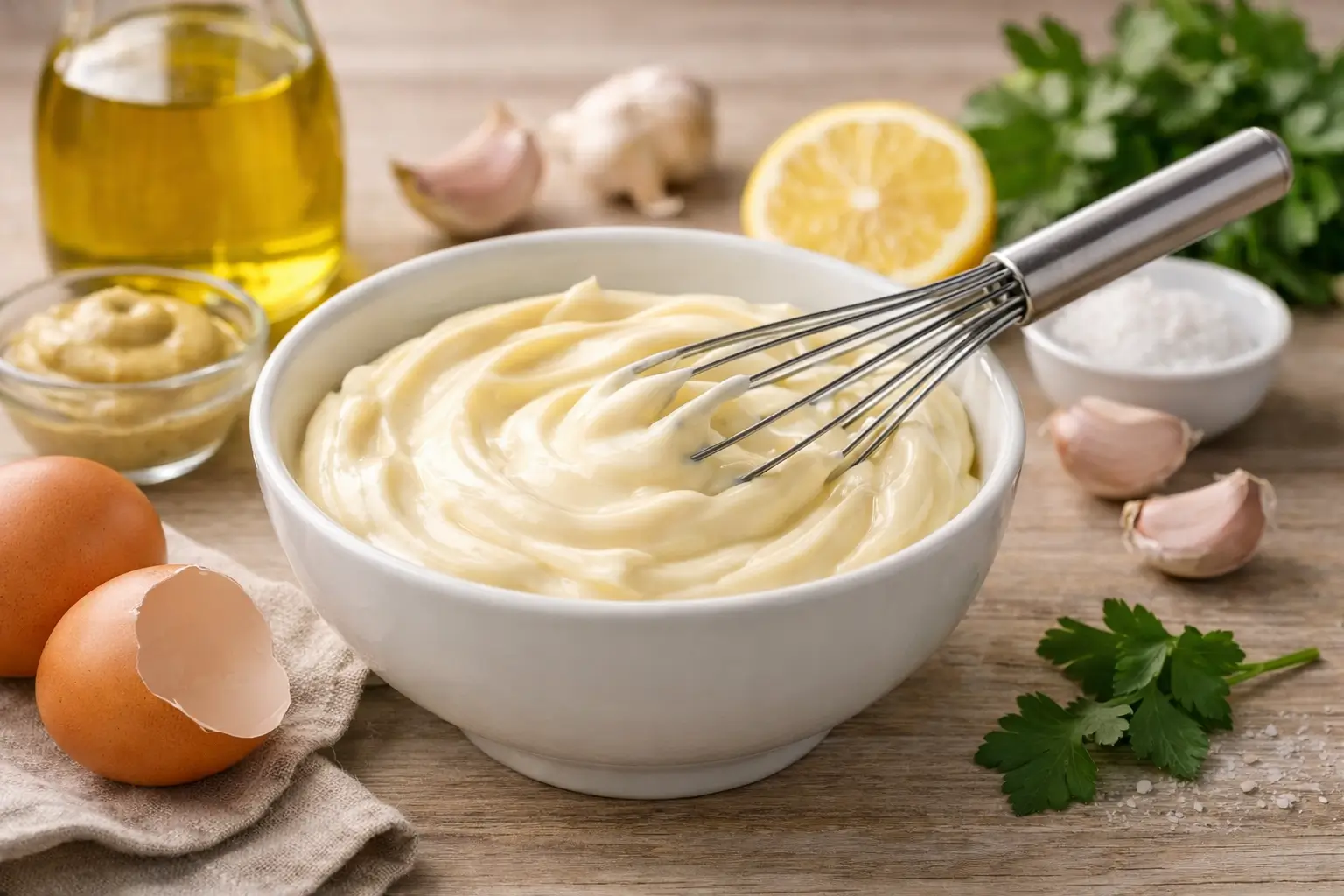
The gordon ramsay mayonnaise recipe is widely recognized for transforming a simple kitchen staple into something refined, balanced, and deeply satisfying. While mayonnaise might seem like a basic condiment, this method elevates it into a smooth, flavorful emulsion that reflects professional kitchen standards.
What makes the gordon ramsay mayonnaise recipe truly special is its focus on technique rather than complexity. With just a handful of ingredients, this recipe teaches precision, patience, and control. The result is a rich, creamy texture with a clean, fresh taste that store bought options rarely achieve.
Understanding What Makes This Mayonnaise Different
The strength of the gordon ramsay mayonnaise recipe lies in its disciplined approach to emulsification. Instead of rushing the process, the method emphasizes gradual incorporation and constant attention.
Egg yolks form the base of the recipe, acting as a natural emulsifier that binds oil and liquid together. This creates a stable and silky consistency that feels luxurious on the palate.
Another defining factor is the slow addition of oil. Adding oil too quickly can cause separation, which is why steady whisking and patience are essential. This process ensures the mixture thickens properly and develops the desired texture.
Acidity also plays an important role. A small amount of lemon juice or vinegar enhances flavor while balancing the richness of the oil and egg yolks. The result is a mayonnaise that tastes bright without being overpowering.
Why Homemade Mayonnaise Outperforms Store Options
Once you try the gordon ramsay mayonnaise recipe, the difference between homemade and store bought becomes clear. Many commercial products rely on stabilizers and preservatives, which can dull the natural flavor.
Homemade mayonnaise offers a fresher taste, smoother texture, and greater flexibility. You can adjust seasoning, thickness, and acidity based on your preferences.
It also allows you to control ingredient quality. Using fresh eggs and high quality oil leads to a noticeably better final product. This level of control is what gives the gordon ramsay mayonnaise recipe its reputation for excellence.
Best Ways to Use This Mayonnaise
This mayonnaise is incredibly versatile and works across a wide range of dishes. Its balanced flavor makes it suitable for both simple meals and more elaborate recipes.
You can use it as a spread for sandwiches and burgers, a base for salad dressings, or a dip for fries and roasted vegetables. It also serves as the foundation for flavored variations such as garlic mayonnaise or spicy blends.
Because the gordon ramsay mayonnaise recipe produces a clean and adaptable base, it complements rather than overwhelms other ingredients.
The Professional Touch Behind the Recipe
What sets this recipe apart is the attention to detail inspired by professional cooking practices. Every step matters, from whisking technique to seasoning adjustments.
Consistent whisking ensures the emulsion forms correctly. Tasting throughout the process helps maintain balance. Small adjustments in acidity or salt can significantly improve the final flavor.
These details might seem minor, but they are what elevate the gordon ramsay mayonnaise recipe from ordinary to exceptional.
Building a Strong Culinary Foundation
Mastering this recipe goes beyond making mayonnaise. It introduces a core cooking principle that applies to many sauces and dressings.
Understanding how emulsification works builds confidence in the kitchen. Once you grasp this concept, you can expand into more advanced recipes with ease.
The gordon ramsay mayonnaise recipe is not just a condiment guide. It is a stepping stone toward better cooking skills and greater control over your food.
- Want to master a rich, silky sauce that elevates any dish with its smooth, buttery flavor? Discover how to make it perfectly in this guide Gordon Ramsay Hollandaise Sauce Recipe.
Essential Ingredients for the gordon ramsay mayonnaise recipe and Why They Matter
Creating a flawless gordon ramsay mayonnaise recipe starts with understanding the role of each ingredient. This is not a recipe where you can cut corners or substitute randomly. Every component contributes to the final texture, flavor, and stability of the emulsion.
What makes this recipe stand out is not complexity but precision. Using the right ingredients in the correct proportions ensures that your mayonnaise turns out smooth, rich, and perfectly balanced every time.
The Core Ingredients Explained
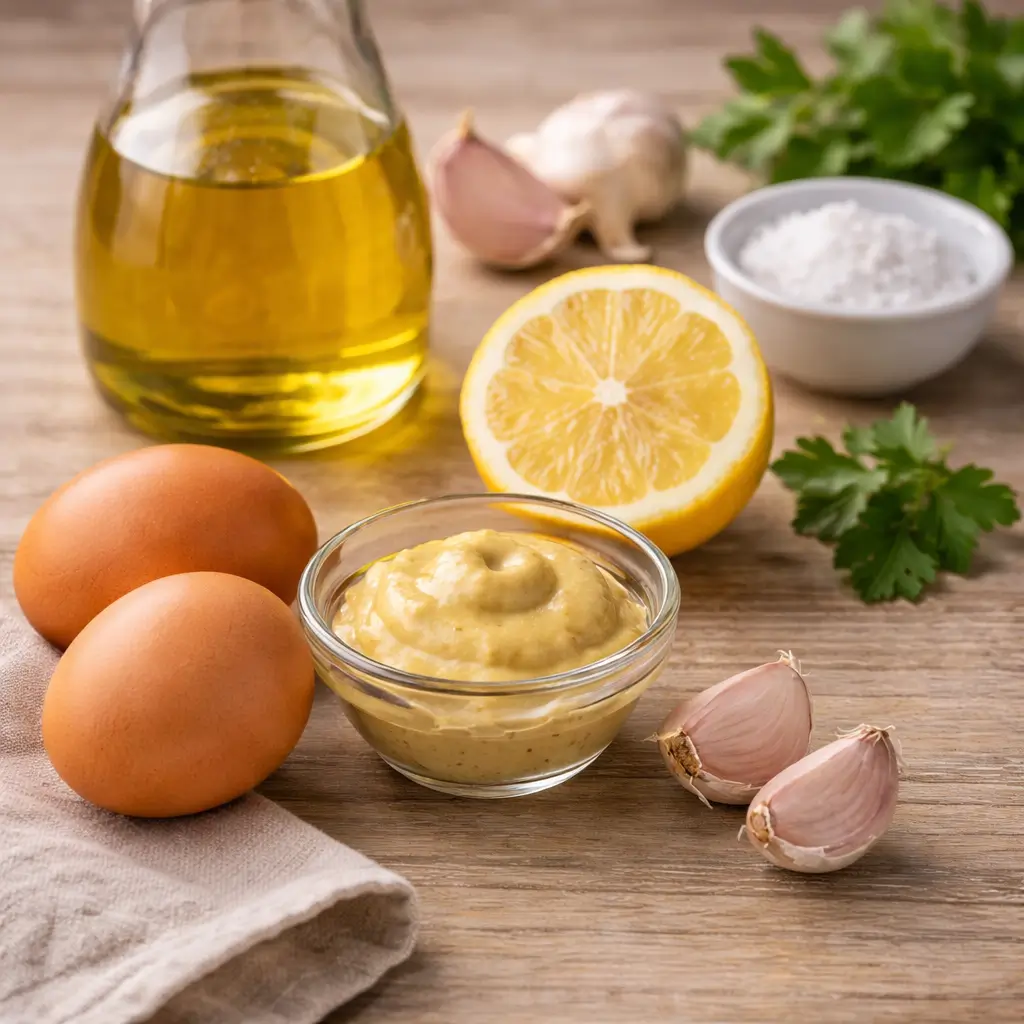
To achieve the signature result of the gordon ramsay mayonnaise recipe, you will need a short but powerful list of ingredients. Each one plays a specific role.
Egg yolks are the foundation. They act as the binding agent that holds oil and liquid together. Fresh egg yolks provide a richer flavor and better emulsification.
Neutral oil is essential for texture. Oils such as vegetable oil or canola oil work best because they allow the flavor of the mayonnaise to shine without overpowering it. The oil is what gives mayonnaise its body and creamy consistency.
Dijon mustard adds both flavor and stability. It enhances the taste while also supporting the emulsification process. This small addition makes a noticeable difference in the final result.
Acid, typically lemon juice or white wine vinegar, balances the richness. It introduces brightness and prevents the mayonnaise from tasting too heavy.
Salt is the final element that ties everything together. Proper seasoning elevates the flavor and ensures the mayonnaise does not taste flat.
Choosing High Quality Ingredients
The gordon ramsay mayonnaise recipe depends heavily on ingredient quality. Because there are so few components, each one must be carefully selected.
Use fresh eggs whenever possible. Fresh yolks not only improve flavor but also create a more stable emulsion.
Choose a high quality oil with a clean taste. Avoid strongly flavored oils unless you intentionally want to alter the flavor profile.
Freshly squeezed lemon juice is always better than bottled. It delivers a brighter and more natural acidity that enhances the overall taste.
Dijon mustard should be smooth and well balanced. A good mustard adds depth without overwhelming the other ingredients.
Ingredient Ratios for Perfect Balance
Getting the proportions right is key to mastering the gordon ramsay mayonnaise recipe. While slight adjustments can be made based on preference, the general balance should remain consistent.
A typical ratio includes one egg yolk to about one cup of oil, with a small amount of mustard and acid added gradually. This ratio ensures a thick yet smooth consistency.
Too much oil added too quickly can cause the mixture to break. Too much acid can make it overly sharp. The goal is harmony between richness and brightness.
Optional Additions for Flavor Variation
Once you master the base gordon ramsay mayonnaise recipe, you can begin experimenting with additional flavors.
Garlic can be added for a bold and savory twist. This transforms the mayonnaise into a classic aioli style sauce.
A touch of smoked paprika introduces warmth and depth. This works well for dipping sauces or sandwich spreads.
Fresh herbs like parsley or chives can add a fresh and vibrant note. These variations are perfect for pairing with grilled dishes.
A small amount of chili sauce or hot sauce can create a spicy version that works well with fries or burgers.
Common Ingredient Mistakes to Avoid
Even though the ingredient list is simple, mistakes can still happen. Avoiding these will help ensure success.
Using cold ingredients can make emulsification more difficult. Room temperature ingredients blend more smoothly.
Choosing overly strong oils can overpower the flavor. Stick to neutral oils for the best result.
Adding acid too early or in large amounts can disrupt the balance. It is better to add it gradually and taste as you go.
Skipping the mustard may seem tempting, but it plays a key role in both flavor and stability.
Why Ingredients Define the Final Result
The gordon ramsay mayonnaise recipe proves that great cooking does not require a long list of components. Instead, it relies on understanding how each ingredient interacts with the others.
When you respect the role of each element, you create a mayonnaise that is not only delicious but also consistent and reliable.
By focusing on quality and balance, you set the foundation for mastering not just this recipe, but many others that rely on similar techniques.
Step by Step Method for the gordon ramsay mayonnaise recipe at Home
Mastering the gordon ramsay mayonnaise recipe comes down to technique. The ingredients are simple, but the process requires attention, patience, and a steady hand. This is where many people go wrong. Rushing even one step can lead to a broken or uneven texture.
The method below breaks everything down clearly so you can achieve a smooth, stable, and creamy mayonnaise every time.
Preparing Your Ingredients and Tools
Before you begin, preparation is essential. The gordon ramsay mayonnaise recipe works best when everything is ready and at the right temperature.
Start by bringing your egg yolk to room temperature. Cold ingredients can prevent proper emulsification and make the mixture harder to control.
You will need a medium bowl, a whisk, and a clean cloth or towel to stabilize the bowl while whisking. A steady base makes a big difference when adding oil slowly.
Measure all your ingredients in advance. This prevents rushing during the critical emulsification stage.
Building the Base Mixture
Begin by placing the egg yolk into your bowl. Add a small spoon of Dijon mustard and a pinch of salt.
Whisk these together until the mixture becomes slightly thick and smooth. This step forms the base that will hold the oil.
At this stage, you are creating the foundation of the emulsion. The mixture should look cohesive and lightly creamy before any oil is added.
The Most Important Step: Adding Oil Slowly
This is the defining moment of the gordon ramsay mayonnaise recipe. The way you incorporate oil determines whether your mayonnaise succeeds or fails.
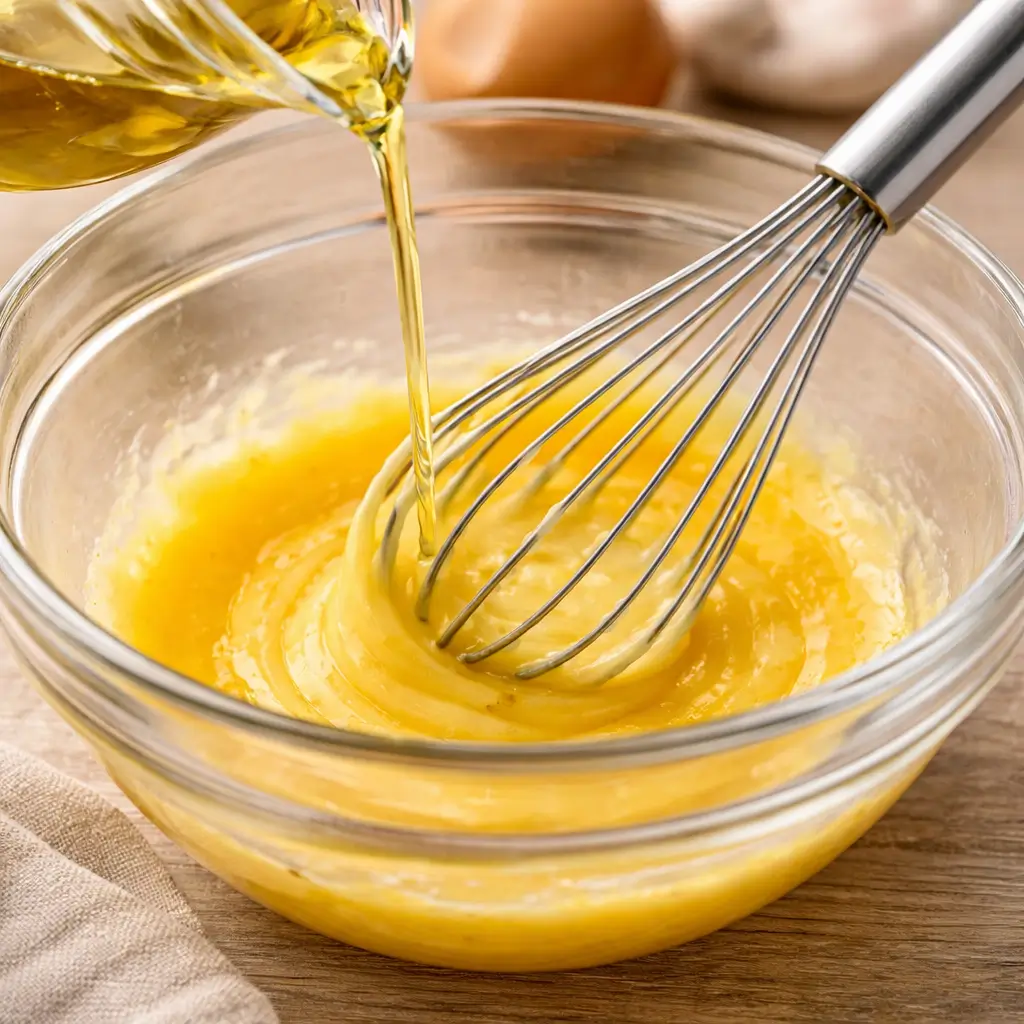
Start by adding just a few drops of oil while whisking continuously. The mixture will begin to thicken slightly.
Once it starts to emulsify, you can slowly increase the oil flow to a thin, steady stream. Continue whisking without stopping.
If you add the oil too quickly, the emulsion may break, resulting in a thin or separated mixture. Patience is critical here.
As more oil is incorporated, you will notice the texture becoming thicker and creamier. This is exactly what you want.
Adjusting Texture and Flavor
After all the oil has been added, the mayonnaise should be thick and smooth. Now it is time to refine the flavor.
Add a small amount of lemon juice or vinegar and whisk it in gently. This will lighten the texture slightly and add brightness to the flavor.
Taste your mayonnaise and adjust with additional salt if needed. If the mixture feels too thick, a few drops of water can help loosen it without affecting the taste.
The goal is a balanced result that is rich but not heavy, smooth but not overly dense.
How to Fix a Broken Mayonnaise
Even experienced cooks can run into issues with the gordon ramsay mayonnaise recipe. If your mixture separates, do not discard it. It can often be saved.
Start with a fresh egg yolk in a clean bowl. Slowly whisk in the broken mixture as if it were oil. This can help reestablish the emulsion.
Another method is to add a small amount of warm water and whisk vigorously. Sometimes this is enough to bring the mixture back together.
Understanding how to fix mistakes is part of mastering the process.
Using a Blender or Food Processor
While traditional whisking is preferred for control, you can also use a blender or food processor for convenience.
Add the egg yolk, mustard, and salt first. Blend briefly to combine. Then slowly drizzle in the oil while the machine is running.
Even with a machine, the principle remains the same. The oil must be added gradually to form a stable emulsion.
This method is faster, but it requires the same level of attention to detail.
Final Texture and What to Look For
The finished gordon ramsay mayonnaise recipe should have a smooth, glossy appearance. It should hold its shape while still being spreadable.
When you lift the whisk, the mayonnaise should form soft peaks that gently fall back into the bowl.
The flavor should be balanced, with a creamy richness followed by a subtle tang from the acid.
Why Technique Matters More Than Speed
This recipe teaches an important lesson in cooking. Speed does not lead to better results. Control and consistency do.
The gordon ramsay mayonnaise recipe rewards patience. By following each step carefully, you develop a deeper understanding of how ingredients interact.
Once you master this method, making mayonnaise becomes second nature. You will be able to adjust texture and flavor with confidence, creating a result that feels both professional and personal.
Common Mistakes in the gordon ramsay mayonnaise recipe and How to Avoid Them
Even though the gordon ramsay mayonnaise recipe uses simple ingredients, it is surprisingly easy to make mistakes that affect the final texture and flavor. Many home cooks struggle not because the recipe is difficult, but because small details are overlooked.
Understanding these common errors will help you avoid frustration and consistently achieve a smooth, creamy, and stable mayonnaise.
Why Mayonnaise Fails More Often Than Expected
The gordon ramsay mayonnaise recipe relies on emulsification, which is a delicate balance between oil and liquid. When this balance is disrupted, the mixture can separate or fail to thicken.
Most problems come from rushing the process, using incorrect temperatures, or misunderstanding ingredient roles. Once you recognize these patterns, fixing them becomes much easier.
Adding Oil Too Quickly
One of the most frequent mistakes is pouring oil too fast. This prevents the egg yolk from properly binding the oil, causing the mixture to break.
Always start with a few drops at a time. Once the emulsion begins to form, you can gradually increase the flow to a thin stream.
If the mixture starts to look loose or oily, stop adding oil and whisk until it thickens again before continuing.
Using Ingredients at the Wrong Temperature
Cold ingredients can disrupt the emulsification process. The gordon ramsay mayonnaise recipe works best when everything is at room temperature.
Cold egg yolks do not blend as easily with oil, making it harder to form a stable mixture.
Take a few minutes to let your ingredients sit out before starting. This small step can make a significant difference.
Skipping the Mustard
Some people try to simplify the recipe by removing Dijon mustard. While it may seem optional, it actually plays an important role.
Mustard helps stabilize the emulsion and adds depth to the flavor. Without it, the mayonnaise may be less stable and taste flat.
The gordon ramsay mayonnaise recipe depends on balance, and mustard is part of that balance.
Overloading with Acid Too Early
Adding too much lemon juice or vinegar at the beginning can interfere with emulsification.
It is best to add acid after the mayonnaise has started to thicken. This ensures the structure is already stable before introducing additional liquid.
Add small amounts and taste as you go to maintain control over flavor.
Not Whisking Consistently
Inconsistent whisking can lead to uneven texture. The gordon ramsay mayonnaise recipe requires steady, continuous movement.
If you stop whisking while adding oil, the mixture may not combine properly. This can result in separation or lumps.
Maintain a consistent rhythm throughout the process for the best results.
Choosing the Wrong Oil
Strongly flavored oils can overpower the delicate balance of the mayonnaise. Oils like extra virgin olive oil can introduce bitterness if used alone.
Stick to neutral oils for a clean and classic flavor. Once you master the base recipe, you can experiment with blends for more complexity.
Ignoring Texture Adjustments
Some people stop once the mayonnaise thickens, but texture refinement is just as important.
If the mixture becomes too thick, a few drops of water can help loosen it. If it is too thin, continue whisking while adding a bit more oil slowly.
The gordon ramsay mayonnaise recipe is flexible, but it requires attention to detail to reach the ideal consistency.
Not Tasting During the Process
Seasoning at the end is not enough. Tasting throughout the process allows you to adjust salt and acidity gradually.
This ensures the final product is balanced rather than overly salty or too sharp.
Developing the habit of tasting as you go is a key part of improving your cooking skills.
The Importance of Patience and Control
Most mistakes with the gordon ramsay mayonnaise recipe come down to impatience. Trying to speed up the process often leads to failure.
When you slow down and focus on each step, the process becomes much more manageable. You gain better control over texture and flavor, and the results improve dramatically.
Learning from these common mistakes not only helps you perfect this recipe but also builds confidence in handling other sauces and techniques.
Flavor Variations to Elevate the gordon ramsay mayonnaise recipe
Once you have mastered the base gordon ramsay mayonnaise recipe, you unlock endless possibilities for customization. This is where creativity meets technique. A well made mayonnaise serves as a neutral, creamy foundation that can carry bold, subtle, or complex flavors depending on what you add.
Instead of relying on store bought flavored sauces, you can build your own versions that taste fresher, richer, and more balanced.
Turning Classic Mayonnaise into Garlic Aioli
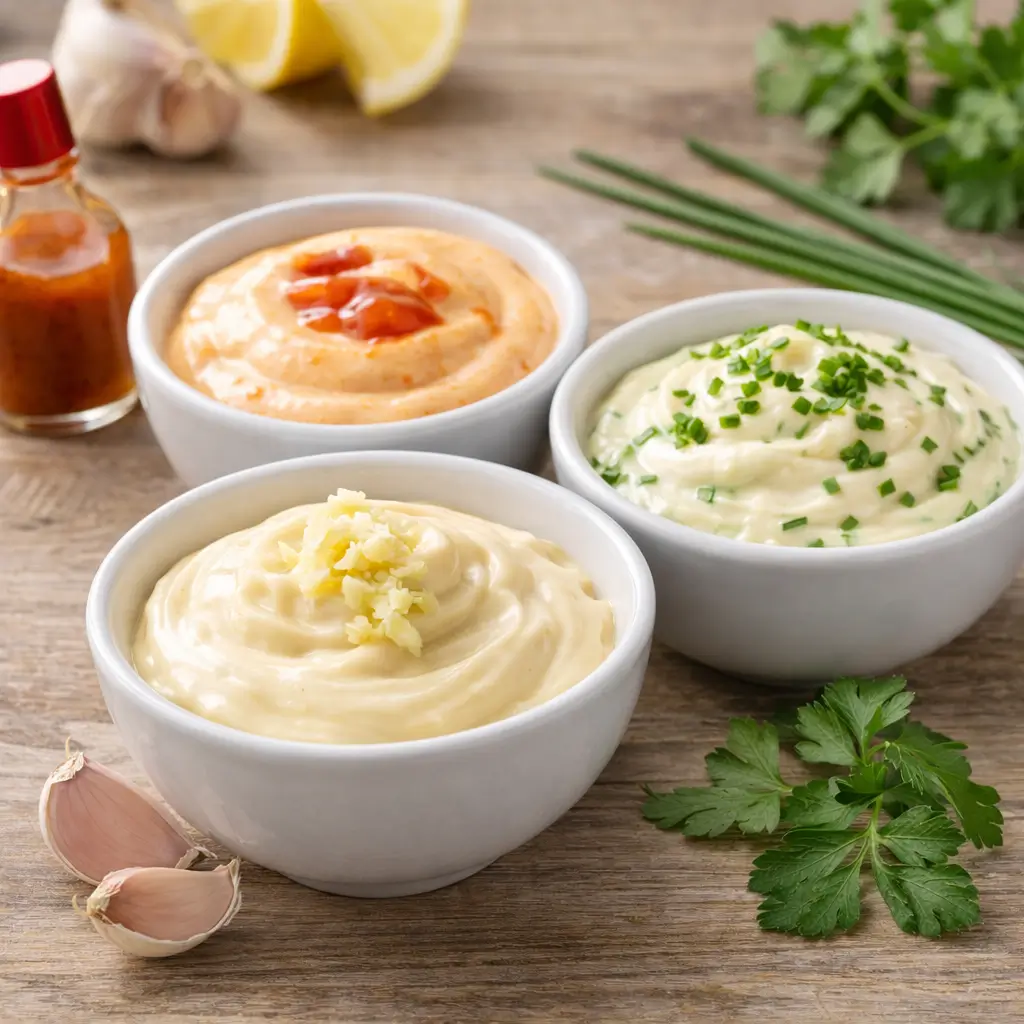
One of the most popular variations of the gordon ramsay mayonnaise recipe is garlic aioli. This version adds depth and intensity, making it perfect for dipping and spreading.
To create it, finely mince fresh garlic or turn it into a paste before mixing it into your mayonnaise. The key is to add it gradually and taste as you go.
Garlic aioli pairs exceptionally well with roasted vegetables, grilled meats, and crispy fries. It transforms simple dishes into something more refined.
Creating a Spicy Mayo for Bold Flavor
If you enjoy heat, a spicy variation is an excellent option. The creamy base of the gordon ramsay mayonnaise recipe balances spice beautifully.
You can add chili sauce, hot sauce, or even a touch of cayenne pepper. Start with a small amount and adjust based on your preferred spice level.
This version works well in sandwiches, burgers, and as a dipping sauce for fried foods. It adds excitement without overwhelming the dish.
Herb Infused Mayonnaise for Freshness
Fresh herbs can completely change the character of your mayonnaise. This variation is ideal when you want something light and vibrant.
Chopped parsley, chives, basil, or dill can be folded into the base. These herbs add color and a refreshing flavor that pairs well with seafood and grilled chicken.
The gordon ramsay mayonnaise recipe provides a smooth backdrop that allows herbal notes to shine.
Lemon Zest and Citrus Enhancements
Adding citrus elements can brighten the mayonnaise and make it feel lighter. Lemon zest is particularly effective because it delivers flavor without adding too much liquid.
You can also experiment with lime or orange zest for a slightly different profile. These variations are excellent for seafood dishes or summer meals.
The balance between richness and acidity becomes even more pronounced with citrus additions.
Smoked and Savory Variations
For a deeper flavor profile, consider adding smoked ingredients. A small amount of smoked paprika can introduce warmth and complexity.
You can also experiment with roasted garlic or caramelized onions blended into the mayonnaise for a richer, more savory taste.
These variations work especially well with grilled meats and barbecue style dishes.
Customizing Texture Alongside Flavor
Flavor is not the only aspect you can adjust. The texture of the gordon ramsay mayonnaise recipe can also be modified depending on how you plan to use it.
For a thicker spread, keep the mayonnaise dense and rich. For dressings or drizzling, add a small amount of water or extra lemon juice to loosen it.
This flexibility makes the recipe incredibly versatile in everyday cooking.
Pairing Variations with Different Dishes
Each variation of the gordon ramsay mayonnaise recipe pairs best with specific types of food.
Garlic aioli complements roasted potatoes and grilled meats.
Spicy mayonnaise enhances burgers, sandwiches, and fried items.
Herb infused versions work beautifully with fish and chicken.
Citrus variations brighten salads and seafood dishes.
Choosing the right variation can elevate an entire meal.
Building Your Own Signature Version
Once you become comfortable with the base recipe, you can start combining flavors to create something unique.
Try blending garlic with herbs for a more complex aioli. Add citrus and spice for a bold, balanced sauce. The possibilities are nearly endless.
The gordon ramsay mayonnaise recipe is not just a single recipe. It is a foundation for creativity in the kitchen.
By experimenting with flavors and textures, you can develop your own signature version that reflects your taste and cooking style.
Storage Tips and Shelf Life of the gordon ramsay mayonnaise recipe
The gordon ramsay mayonnaise recipe delivers unmatched freshness and flavor, but because it uses simple, natural ingredients, proper storage becomes essential. Unlike store bought mayonnaise that contains preservatives, homemade versions require careful handling to maintain safety and quality.
Understanding how to store your mayonnaise correctly ensures that you enjoy its full flavor while avoiding spoilage.
How to Store Homemade Mayonnaise Safely
After preparing the gordon ramsay mayonnaise recipe, transfer it immediately into a clean, airtight container. Glass jars are ideal because they do not absorb odors and are easy to sanitize.
Refrigeration is mandatory. Homemade mayonnaise should always be stored in the coldest part of your refrigerator, not on the door where temperatures fluctuate.
Keep the container tightly sealed to prevent contamination and preserve freshness.
How Long Does It Last
Because the gordon ramsay mayonnaise recipe uses raw egg yolks, its shelf life is shorter than commercial alternatives.
Typically, homemade mayonnaise stays fresh for up to 3 to 5 days when properly refrigerated. For the best taste and safety, it is recommended to consume it within the first 2 to 3 days.
Always label your container with the preparation date so you can keep track بسهولة.
Signs Your Mayonnaise Has Gone Bad
It is important to recognize when your mayonnaise is no longer safe to eat. The gordon ramsay mayonnaise recipe should maintain a consistent texture and fresh smell.
Watch for these warning signs:
A sour or unpleasant odor
Visible separation that does not recombine
A change in color or dull appearance
An off or overly sharp taste
If you notice any of these, it is best to discard the mayonnaise.
Can You Freeze Homemade Mayonnaise
Freezing is not recommended for the gordon ramsay mayonnaise recipe. The emulsion does not hold well under freezing conditions and will likely separate when thawed.
The texture becomes grainy and the smooth consistency is lost. For best results, always prepare fresh batches as needed.
Tips to Extend Freshness
While you cannot dramatically extend the shelf life, a few practices can help maintain quality longer.
Use the freshest eggs possible. Fresh ingredients naturally last longer and taste better.
Avoid cross contamination by using clean utensils every time you scoop mayonnaise from the container.
Keep the mayonnaise cold at all times. Do not leave it at room temperature for extended periods.
Adding a slightly higher amount of acid, such as lemon juice or vinegar, can help slow bacterial growth while also enhancing flavor.
Food Safety Considerations
Because the gordon ramsay mayonnaise recipe includes raw eggs, food safety is especially important.
If you are concerned about using raw eggs, consider using pasteurized eggs. These reduce the risk while still allowing you to achieve a proper emulsion.
This is particularly important when serving children, elderly individuals, or anyone with a compromised immune system.
Making Small Batches for Best Results
Instead of making large quantities, it is better to prepare smaller batches of the gordon ramsay mayonnaise recipe more frequently.
This ensures maximum freshness and reduces waste. Since the recipe is quick to prepare, making it fresh each time becomes a practical habit.
Why Freshness Defines the Experience
The true beauty of the gordon ramsay mayonnaise recipe lies in its freshness. The flavor is clean, vibrant, and far superior to anything that sits on a shelf for weeks.
Proper storage allows you to preserve that quality for as long as possible. By following these guidelines, you ensure that every serving delivers the same rich and balanced taste you created in the first place.
Final Thoughts on Mastering the gordon ramsay mayonnaise recipe
The gordon ramsay mayonnaise recipe is more than a simple condiment. It represents a core cooking skill that can elevate everyday meals into something memorable. By focusing on technique, ingredient quality, and balance, you create a result that reflects true culinary understanding.
Why This Recipe Is Worth Learning
Many people rely on store bought mayonnaise without realizing how easy and rewarding it is to make at home. This recipe shows that with a few ingredients and the right method, you can achieve a far superior result.
The flavor is fresher, the texture is smoother, and the experience of making it builds confidence in the kitchen.
A Skill That Extends Beyond One Recipe
Once you master the gordon ramsay mayonnaise recipe, you gain a deeper understanding of emulsification. This knowledge applies to many other sauces and dressings.
It becomes easier to experiment, adjust flavors, and troubleshoot issues in other recipes. This single skill opens the door to more advanced cooking techniques.
Encouragement to Practice and Experiment
Do not be discouraged if your first attempt is not perfect. Like any technique, it improves with practice.
Try different oils, adjust acidity levels, and explore flavor variations. Over time, you will develop a version that suits your personal taste.
Making It Part of Your Everyday Cooking
The more you use the gordon ramsay mayonnaise recipe, the more natural it becomes. It can quickly turn into a staple in your kitchen.
From quick sandwiches to more elaborate meals, having fresh homemade mayonnaise on hand adds a layer of quality that is hard to replicate with store products.
Frequently Asked Questions About the gordon ramsay mayonnaise recipe
Can I make the gordon ramsay mayonnaise recipe without mustard?
Yes, but it is not recommended. Mustard helps stabilize the emulsion and enhances flavor. Without it, the mayonnaise may be less stable and slightly flat in taste.
What oil works best for the gordon ramsay mayonnaise recipe?
Neutral oils such as canola or vegetable oil are ideal. They allow the natural flavor of the mayonnaise to shine without adding bitterness or heaviness.
Why did my mayonnaise not thicken?
This usually happens when oil is added too quickly or the ingredients are too cold. Slow down the oil incorporation and make sure everything is at room temperature.
Is the gordon ramsay mayonnaise recipe safe to eat with raw eggs?
It is generally safe if you use fresh or pasteurized eggs and store the mayonnaise properly. For extra safety, many people prefer pasteurized eggs.
How can I fix mayonnaise that has separated?
Start with a fresh egg yolk in a clean bowl and slowly whisk in the broken mixture. This often restores the emulsion successfully.
Can I use olive oil in the gordon ramsay mayonnaise recipe?
You can, but it is best to blend it with a neutral oil. Pure olive oil can introduce a strong or slightly bitter taste.
How do I make the mayonnaise thicker or thinner?
To thicken, continue adding oil slowly while whisking. To thin it out, add a few drops of water or lemon juice and mix gently.
Can I make this recipe in a blender?
Yes, a blender or food processor works well. Just make sure to add the oil slowly while the machine is running to maintain a stable emulsion.
How long does homemade mayonnaise last in the fridge?
Typically, it lasts 3 to 5 days when stored properly in an airtight container. For best quality, use it within the first few days.
What dishes pair best with the gordon ramsay mayonnaise recipe?
It pairs well with sandwiches, burgers, fries, grilled meats, seafood, and salads. It also serves as a base for flavored sauces.
Gordon Ramsay Mayonnaise Recipe Easy Homemade Perfection
Ingredients
Method
- Place egg yolk, mustard, and salt in a bowl and whisk until smooth
- Add a few drops of oil while whisking continuously
- Slowly increase oil to a thin steady stream while whisking
- Continue until mixture thickens into mayonnaise
- Add lemon juice or vinegar and mix gently
- Adjust salt and texture as needed