
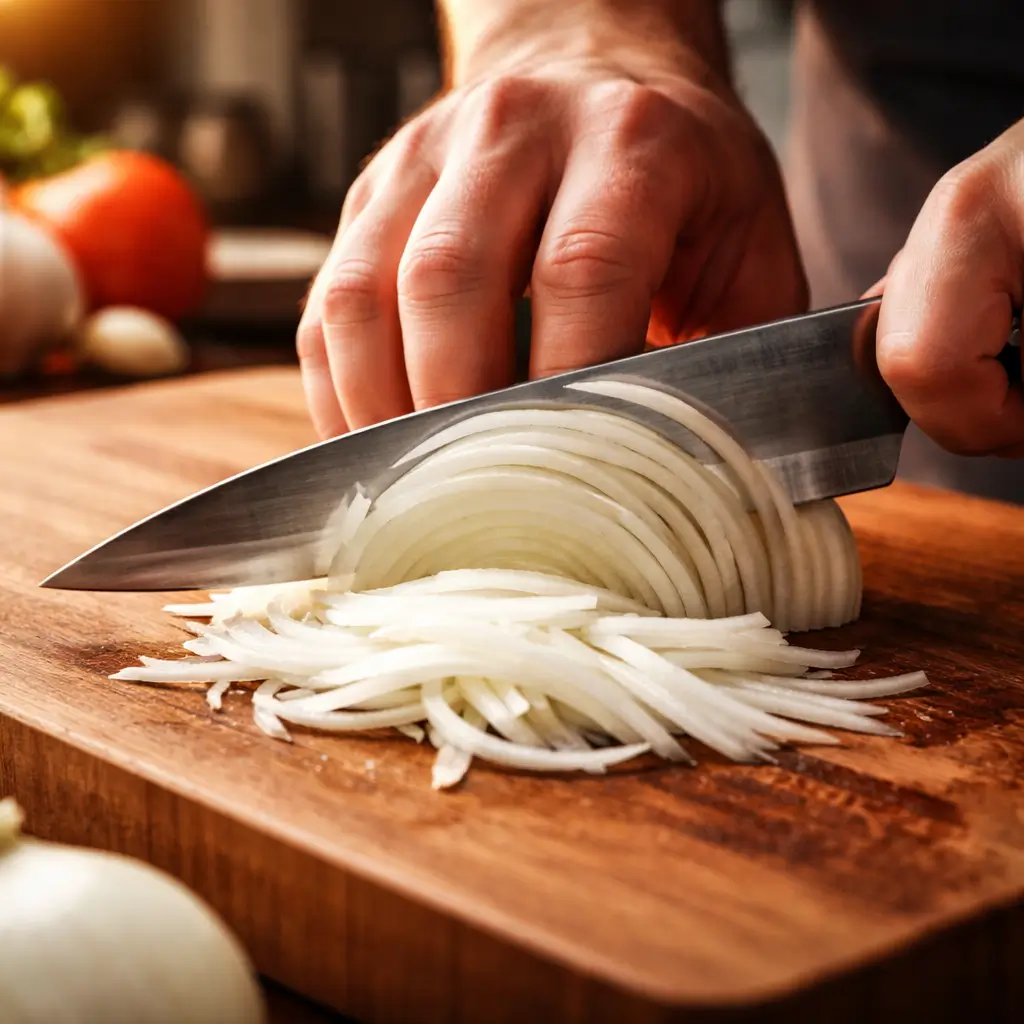
how to julienne an onion is one of the most useful knife skills you can learn if you want to cook with confidence and precision. This classic cutting technique creates thin, uniform strips that cook evenly and elevate the texture and presentation of many dishes. Whether you are preparing a quick stir fry, building a fresh salad, or adding a finishing touch to tacos and sandwiches, knowing how to julienne an onion gives you better control over flavor distribution and cooking time. Professional chefs rely on this method because it ensures consistency, and once you understand the basics, it becomes a simple and repeatable process in your everyday cooking routine.
how to julienne an onion may sound technical at first, but it is actually beginner friendly when broken down into clear steps. In this guide, you will learn exactly what julienne means, why this cut matters, and how to execute it safely using proper knife techniques.
You will also discover which types of onions work best, how to avoid common mistakes, and how to keep your slices even and visually appealing. By the end of this article, you will feel comfortable applying this essential skill in a wide range of recipes while improving both your efficiency and overall kitchen experience.
- Looking for a crispy, healthier snack that’s packed with protein and full of flavor? Discover how to make this satisfying option at home in this guide cottage cheese onion rings the best healthy crispy snack.
What Does Julienne Mean in Cooking
how to julienne an onion starts with understanding what the term julienne actually means in culinary language. Julienne is a classic French knife cut that refers to slicing food into long, thin, matchstick sized strips. Typically, these strips are about 1 to 2 inches long and very thin in width, which allows them to cook quickly and evenly. When applied to onions, this technique creates elegant, uniform slices that separate naturally into delicate strands, making them perfect for both cooking and garnishing.
how to julienne an onion is different from simply slicing or dicing because the goal is precision and consistency rather than rough cuts. Unlike chopped onions, which can vary in size and shape, julienned onions maintain a uniform structure that enhances both texture and presentation. This is especially important in dishes where appearance matters, such as stir fries, salads, and restaurant style plating. Even cooking is another key benefit since thinner strips soften faster and absorb flavors more efficiently.
In professional kitchens across the United States, mastering how to julienne an onion is considered a foundational skill. It is often one of the first knife techniques taught in culinary schools because it builds control, accuracy, and confidence. Once you understand this concept, you can apply the same technique to other vegetables like carrots, bell peppers, and zucchini, making it a versatile skill that improves your overall cooking ability.
Why Julienne Cut Matters in Cooking
how to julienne an onion is not just about appearance, it directly impacts how your food cooks, tastes, and feels when you eat it. When onions are cut into thin, uniform strips, they cook faster and more evenly compared to larger chunks. This is especially important in fast cooking methods like stir frying, where uneven cuts can lead to some pieces burning while others remain undercooked. Consistency in size ensures that every bite delivers the same texture and balanced flavor.
how to julienne an onion also enhances flavor distribution in your dishes. Thin strips allow onions to release their natural sweetness more efficiently when cooked, while still maintaining a slight crunch if used raw. This makes julienned onions perfect for recipes where you want a delicate onion presence rather than an overpowering bite. In salads, sandwiches, and wraps, these thin slices blend seamlessly with other ingredients instead of dominating them.
Another reason how to julienne an onion matters is presentation. Food that looks clean and professionally prepared is more appealing and enjoyable to eat. Julienned onions create a refined, restaurant style finish that instantly upgrades simple meals. Whether you are plating a homemade stir fry or garnishing tacos, these evenly cut strips add visual appeal and texture contrast. Learning this technique allows you to cook with both intention and style, turning everyday dishes into something more polished and satisfying.
Best Types of Onions for Julienne Cuts
how to julienne an onion becomes much easier and more effective when you choose the right type of onion for your recipe. Not all onions behave the same when sliced into thin strips, and understanding their differences helps you get the best flavor and texture. Some onions are naturally sweeter, while others are sharper and more pungent, which can affect how they taste when eaten raw or cooked.
how to julienne an onion using yellow onions is one of the most common choices in American kitchens. Yellow onions offer a balanced flavor that becomes slightly sweet when cooked, making them ideal for stir fries, sautéed dishes, and soups. White onions, on the other hand, have a sharper and cleaner taste, which works well in fresh recipes like salsas and salads. Red onions are another excellent option, especially when you want a pop of color and a milder flavor for raw applications such as sandwiches or garnishes.
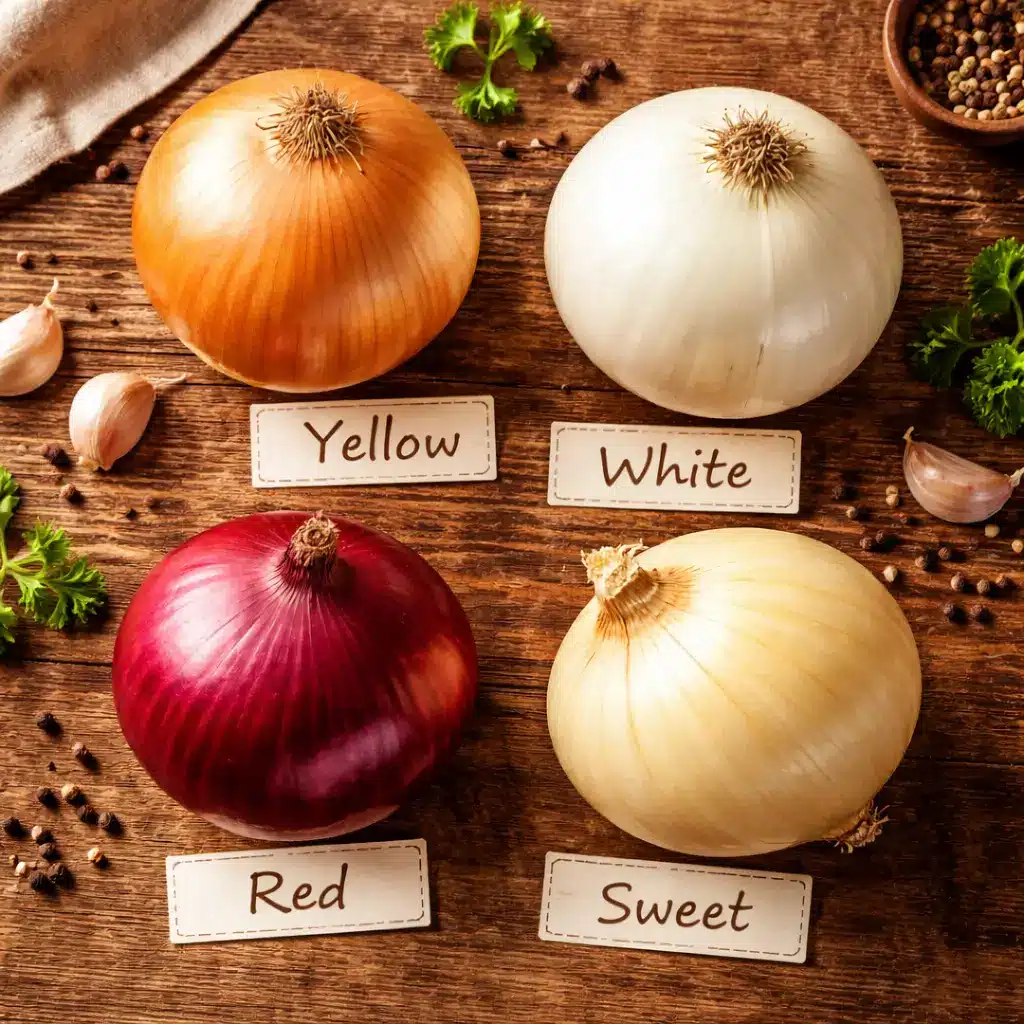
To help you quickly compare, here is a useful breakdown:
| Onion Type | Flavor Profile | Best Uses for Julienne |
|---|---|---|
| Yellow Onion | Balanced, slightly sweet when cooked | Stir fries, soups, sautéed dishes |
| White Onion | Sharp, clean flavor | Salsas, salads, Mexican dishes |
| Red Onion | Mild, slightly sweet | Salads, sandwiches, garnishes |
| Sweet Onion | Very mild and sweet | Raw dishes, caramelizing |
Choosing the right onion ensures that how to julienne an onion results in slices that complement your dish rather than overpower it.
Tools You Need to Julienne an Onion Safely
how to julienne an onion correctly starts with using the right tools, which makes the process safer, faster, and more precise. While you do not need professional equipment, having a sharp knife and a stable cutting surface is essential. A dull knife can slip easily and crush the onion instead of slicing it cleanly, which affects both safety and the final texture. Investing in a good quality chef’s knife is one of the best decisions you can make for improving your kitchen skills.
how to julienne an onion becomes much easier when you use a standard 8 inch chef’s knife because it provides the right balance and control. Pair this with a sturdy cutting board that does not slide around while you work. Many home cooks in the United States place a damp paper towel under the board to keep it stable, which is a simple but effective safety tip. You may also consider using a paring knife for trimming the ends before you begin slicing.
Another helpful tool when learning how to julienne an onion is a cut resistant glove, especially for beginners who are still building confidence with knife handling. While optional, it adds an extra layer of protection. Keeping your tools clean and dry is also important, as it improves grip and reduces the risk of slipping. With the right setup, you create a safer environment that allows you to focus fully on mastering the technique.
Step by Step Guide on How to Julienne an Onion
how to julienne an onion becomes simple when you follow a clear, structured process that builds confidence with each step. Start by placing your onion on a stable cutting board and slicing off the top stem end while keeping the root end intact. The root helps hold the layers together, making it easier to control your cuts. Next, cut the onion in half from top to bottom, then peel away the outer skin.
how to julienne an onion continues by placing one half flat side down on the cutting board for stability. Position your knife parallel to the lines of the onion and begin making thin, even slices from one side to the other. Keep your fingers curled inward in a claw grip to protect them while guiding the knife. Aim for consistent thickness so your strips cook evenly and look uniform.
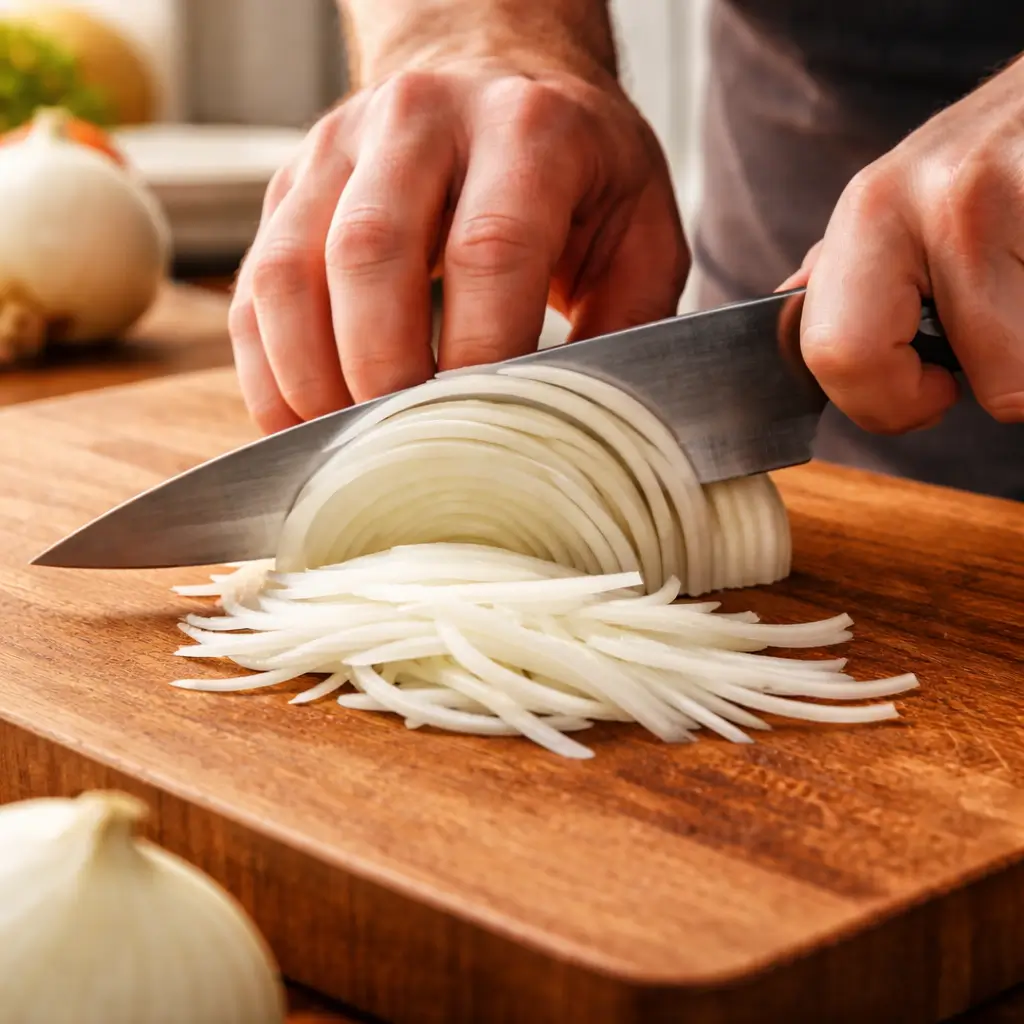
Here is a quick reference to follow:
| Step | Action | Key Tip |
|---|---|---|
| 1 | Trim top, keep root | Root holds layers together |
| 2 | Cut onion in half | Improves stability |
| 3 | Peel skin | Remove fully for clean cuts |
| 4 | Slice thin strips | Keep cuts even and parallel |
how to julienne an onion properly means working slowly at first and focusing on precision rather than speed. As you practice, your knife control will improve, and the process will feel natural and efficient.
Proper Knife Technique and Hand Positioning
how to julienne an onion safely and efficiently depends heavily on your knife technique and how you position your hands during the process. One of the most important skills to develop is the proper grip on your knife. Hold the handle firmly while pinching the blade lightly between your thumb and index finger. This grip gives you better control and stability, allowing smoother and more precise cuts. Avoid holding the knife too far back, as it reduces accuracy and increases the risk of uneven slices.
how to julienne an onion also requires correct hand positioning on the onion itself. Use what chefs call the claw grip by curling your fingertips inward while holding the onion. Your knuckles should guide the knife, acting as a natural barrier that keeps your fingers safe. This technique might feel unfamiliar at first, but it quickly becomes second nature and dramatically improves both safety and consistency.
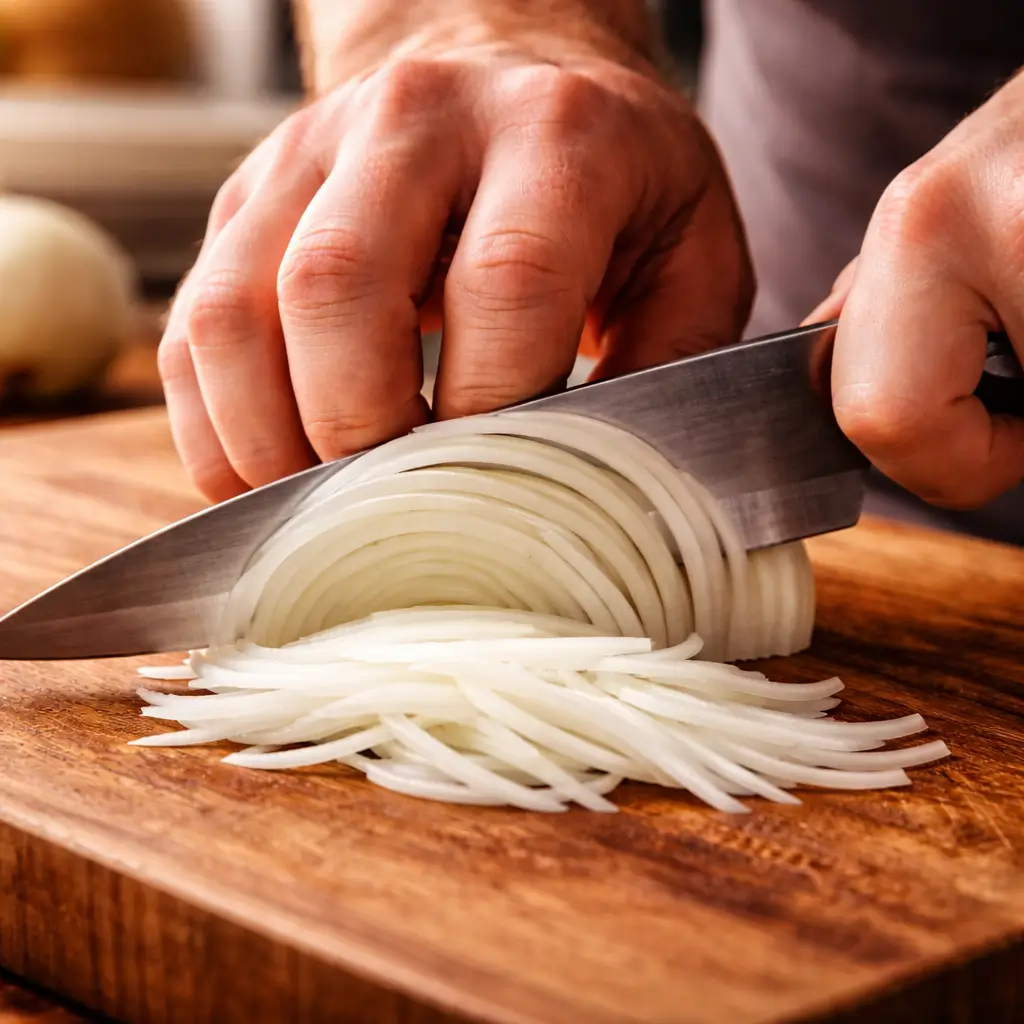
Another key aspect of how to julienne an onion is maintaining a steady slicing motion. Instead of pressing straight down, use a gentle rocking motion with the knife, letting the blade do the work. This creates cleaner cuts and prevents the onion from tearing. Keeping your cuts smooth and controlled ensures each strip is even in size, which is essential for both cooking performance and visual presentation. Mastering these small details will make a noticeable difference in your overall knife skills.
Common Mistakes to Avoid When Julienning Onions
how to julienne an onion can feel straightforward, but small mistakes can quickly affect your results and even compromise safety. One of the most common errors is cutting uneven slices. When strips vary in thickness, they cook at different rates, leading to inconsistent texture. Some pieces may become too soft while others remain raw or overly sharp in flavor. Taking your time and focusing on uniform cuts makes a significant difference in both taste and presentation.
how to julienne an onion also goes wrong when you remove the root end too early. The root holds the onion layers together, and without it, the onion can fall apart while slicing. This makes it harder to maintain control and achieve clean, even strips. Another frequent mistake is using a dull knife, which crushes the onion rather than slicing through it cleanly. This releases excess juices and can make the onion slippery and harder to handle.
Many beginners learning how to julienne an onion also rush the process or use improper hand positioning. Cutting too quickly increases the risk of injury and uneven results. Failing to use the claw grip leaves your fingertips exposed, which can be dangerous. Additionally, applying too much pressure instead of using a smooth slicing motion can damage the onion’s structure. Avoiding these mistakes will help you build confidence and improve your technique faster while ensuring better results in every dish.
Tips for Perfectly Even and Thin Onion Strips
how to julienne an onion with precision comes down to consistency, patience, and a few practical techniques that make a noticeable difference. One of the best tips is to focus on uniform spacing between each cut. Instead of rushing, visually guide your knife so each slice matches the previous one. This helps create evenly sized strips that cook at the same rate and look clean on the plate. Practicing slow and controlled movements will naturally improve your accuracy over time.
how to julienne an onion evenly also depends on maintaining the right knife angle. Keep your blade aligned with the natural lines of the onion from root to tip. This allows the layers to separate into smooth, thin strips without breaking apart. If you cut against the grain, the pieces may become uneven or shorter than expected. Let the structure of the onion guide your cuts for the best results.
Another important tip for mastering how to julienne an onion is keeping the onion stable throughout the process. Always place the flat side down after halving the onion to prevent rolling. If the onion shifts while cutting, your slices will lose consistency. Here is a quick guide to help:
| Tip | Why It Matters | Result |
|---|---|---|
| Cut slowly | Improves control | Even slices |
| Follow onion lines | Keeps structure intact | Clean strips |
| Use sharp knife | Prevents tearing | Smooth texture |
| Stabilize onion | Reduces movement | Safer cutting |
With practice, these small adjustments will help you achieve professional looking results every time.
How to Store Julienned Onions Properly
how to julienne an onion is only part of the process, knowing how to store the slices correctly helps maintain freshness, flavor, and safety. Once you have finished cutting, place the julienned onions in an airtight container to prevent them from drying out or absorbing odors from other foods in your refrigerator. Proper storage ensures the onions stay crisp and ready to use in your next meal without losing their natural texture.
how to julienne an onion also involves understanding how long the cut onions will last. In most home kitchens across the United States, julienned onions can be stored in the refrigerator for up to 5 to 7 days when kept in a sealed container. It is best to store them in the coldest part of your fridge, typically toward the back, to maintain consistent temperature. If you notice any strong off smells or slimy texture, it is time to discard them.
For those who like to meal prep, how to julienne an onion can save time during busy weekdays. You can prepare onions in advance and portion them into smaller containers for easy access. If you need to store them longer, freezing is an option, although it may slightly change the texture. Frozen julienned onions work best in cooked dishes rather than raw applications. Storing them properly ensures you get the most value and convenience from your preparation.
When to Use Julienned Onions in Recipes
how to julienne an onion becomes even more valuable when you know exactly when to use this cut in your cooking. Julienned onions are ideal for recipes where you want a balance between texture and flavor without overwhelming the dish. Their thin shape allows them to soften quickly while still holding a slight bite, making them perfect for high heat cooking methods like stir frying. In these dishes, the onions blend seamlessly with other ingredients rather than standing out as large chunks.
how to julienne an onion is especially useful in fresh recipes where presentation matters. In salads, wraps, and sandwiches, these thin strips provide a mild onion flavor that is easier to eat compared to thick slices. They distribute evenly across each bite, enhancing the overall taste without overpowering other ingredients. This makes them a popular choice in many American style dishes, including burgers, tacos, and deli sandwiches.
You will also find that how to julienne an onion plays an important role in garnishing and finishing dishes. Thin onion strips can be used as a topping for grilled meats, rice bowls, and noodle dishes, adding both visual appeal and a subtle crunch. Whether cooked or raw, this technique gives you more control over how the onion interacts with the rest of your ingredients. Learning when to use julienned onions helps you elevate simple meals into something more balanced and thoughtfully prepared.
Conclusion
how to julienne an onion is a foundational kitchen skill that can significantly improve your cooking results and confidence. By learning the proper technique, choosing the right tools, and practicing consistent cuts, you can achieve professional looking onion slices that cook evenly and enhance flavor in any dish. This method is not only practical but also versatile, making it useful for everything from quick weeknight meals to more refined presentations.
how to julienne an onion becomes easier with repetition, and over time, it will feel like a natural part of your cooking routine. Whether you are preparing stir fries, fresh salads, or flavorful garnishes, mastering this technique allows you to create dishes that look better and taste more balanced. With the tips and steps outlined in this guide, you now have everything you need to confidently apply this essential skill in your everyday kitchen.
FAQs
What is the easiest way to learn how to julienne an onion?
how to julienne an onion is easiest when you start slow and focus on proper technique rather than speed. Use a sharp knife, cut the onion in half, and follow the natural lines from root to tip. Practicing consistently helps build muscle memory, making the process quicker and more precise over time.
Can beginners safely learn how to julienne an onion?
how to julienne an onion is beginner friendly if you follow safety basics like using a stable cutting board and the claw grip. Starting slowly and keeping your fingers tucked inward reduces the risk of injury while helping you gain better control.
What knife is best for how to julienne an onion?
how to julienne an onion works best with an 8 inch chef’s knife because it offers control and precision. A sharp blade is essential to create clean, even slices and prevent crushing the onion layers.
How thin should slices be when learning how to julienne an onion?
how to julienne an onion typically involves cutting strips about 1 to 2 inches long and very thin in width. The goal is consistency so all pieces cook evenly and look uniform.
Which onions are best for how to julienne an onion?
how to julienne an onion can be done with yellow, white, red, or sweet onions. Yellow onions are the most versatile, while red onions are great for raw dishes and sweet onions work well for mild flavor.
How do I keep onions from making me cry while learning how to julienne an onion?
how to julienne an onion without tears can be easier if you chill the onion before cutting or use a very sharp knife. Cutting near ventilation or under a fan can also help reduce irritation.
Can I store onions after learning how to julienne an onion?
how to julienne an onion allows you to prep ahead and store slices in an airtight container in the refrigerator for up to a week. Keeping them sealed helps maintain freshness and prevents odor transfer.
What dishes benefit most from how to julienne an onion?
how to julienne an onion is perfect for stir fries, salads, sandwiches, tacos, and garnishes. The thin strips blend well with other ingredients and cook quickly.
Is how to julienne an onion different from slicing?
how to julienne an onion creates thinner and more uniform strips compared to regular slicing. This improves both texture and presentation in many recipes.