
Pulhia tea is quickly becoming one of the most searched herbal beverages in the United States as people look for natural drinks that offer both flavor and wellness benefits. Many curious readers searching for pulhia tea want to understand what it actually is, where it comes from, and why it is suddenly trending across recipe blogs and social media platforms. This simple herbal infusion combines refreshing plant based ingredients that create a light, soothing drink often enjoyed for relaxation and digestive comfort.
Pulhia tea has gained attention because it fits perfectly into the growing American interest in natural remedies, herbal beverages, and easy homemade drinks. People are searching not only for the flavor profile but also for practical information such as how to make pulhia tea at home, what ingredients are needed, and whether it offers potential health benefits. The good news is that pulhia tea is simple to prepare, customizable, and made with ingredients commonly available in most U.S. grocery stores.
- Curious how this classic sweet-and-savory dish comes together with rich flavor and simple ingredients? Discover the full preparation in this guide Bobby Flay Pork Chops And Applesauce Recipe.
In this guide, you will learn exactly what pulhia tea is, why it has become popular, what it tastes like, and how to prepare it step by step in your own kitchen. We will also explore ingredient variations, storage tips, the best time to drink it, and answers to the most common questions people ask when searching for pulhia tea online.
What Is Pulhia Tea and Where Does It Come From?
Pulhia tea is a simple herbal infusion made from natural plant ingredients known for their refreshing aroma and calming properties. While the exact composition can vary depending on the recipe or regional interpretation, pulhia tea generally combines mint based herbs, warming spices, and sometimes citrus elements to create a balanced drink that is both soothing and invigorating. Unlike traditional caffeinated teas such as black or green tea, pulhia tea is typically caffeine free, making it suitable for drinking throughout the day.
The name pulhia tea has begun appearing more frequently in online searches across the United States as people explore global herbal beverages. Many of these drinks originate from traditional home remedies that have been passed down through generations. Pulhia tea fits into this category because it is often prepared as a natural wellness drink used to support digestion, relaxation, and hydration.
In many cultures, herbal teas are less about strict recipes and more about combining beneficial herbs that are available locally. Pulhia tea follows this approach. The ingredients are usually simple and accessible, which is one reason the drink has become appealing to American home cooks looking for easy wellness recipes.
Another reason pulhia tea is trending is the growing popularity of functional beverages. Consumers increasingly prefer drinks that offer potential benefits beyond simple hydration. Herbal teas are widely appreciated for their calming effects, aromatic qualities, and natural ingredients.
Because pulhia tea is flexible and customizable, many versions now include ingredients that can easily be found in U.S. supermarkets such as fresh mint, ginger, lemon, or honey. This adaptability has helped the drink gain attention among food bloggers and wellness focused recipe websites.
Ingredients Commonly Used in Pulhia Tea
Pulhia tea is loved for its simplicity. The drink usually relies on a handful of fresh, aromatic ingredients that combine to create a soothing herbal infusion. Because the recipe is flexible, many people adjust the ingredients depending on taste preferences or what is available in their kitchen. However, several core ingredients appear in most pulhia tea recipes.
Fresh mint leaves are often the foundation of pulhia tea. Mint provides a cooling flavor that makes the drink refreshing while also helping support digestion. Many herbal tea traditions use mint because of its clean taste and natural aroma.
Ginger is another popular ingredient. Fresh ginger root adds warmth and a slightly spicy note that balances the coolness of mint. In addition to flavor, ginger is widely known in traditional herbal drinks for supporting digestive comfort.
Lemon or fresh citrus is commonly included as well. The bright acidity from lemon enhances the flavor and adds a refreshing twist that many people enjoy, especially when the tea is served warm.
Honey is often used as a natural sweetener. It blends well with the herbal notes of the tea and helps soften the sharper flavors from ginger and citrus.
Below is a helpful overview of common pulhia tea ingredients and their roles.
| Ingredient | Flavor Contribution | Why It Is Used |
|---|---|---|
| Fresh Mint | Cool, refreshing | Supports digestion and aroma |
| Ginger Root | Warm, spicy | Adds depth and comforting flavor |
| Lemon | Bright, citrusy | Enhances freshness |
| Honey | Light sweetness | Balances herbal flavors |
| Water | Neutral base | Extracts herbal essence |
These simple ingredients make pulhia tea easy to prepare using items available in most American grocery stores. Because the recipe is flexible, you can also experiment with additional herbs or spices to customize the flavor.
What Does Pulhia Tea Taste Like?
Pulhia tea offers a refreshing and balanced flavor that makes it appealing to many different tastes. Because the recipe usually combines herbs, spices, and citrus, the final drink creates layers of flavor that feel both soothing and energizing. For many people in the United States trying pulhia tea for the first time, the taste is surprisingly light and pleasant.
The first flavor most people notice is the cool, crisp taste of mint. Mint provides a clean herbal freshness that makes the tea feel refreshing even when served warm. This cooling sensation is one reason herbal mint drinks have remained popular in many cultures for centuries.
Ginger adds the next layer of flavor. It introduces a gentle warmth and a mild spiciness that balances the coolness of the mint. Instead of overpowering the drink, ginger usually creates a comforting background note that makes the tea feel more complex and satisfying.
Lemon brings brightness to pulhia tea. The citrus element lifts the flavor and prevents the drink from feeling heavy. This slight tang also enhances the aroma, which is an important part of the overall experience when drinking herbal teas.
Honey or natural sweeteners smooth everything together. A small amount of sweetness softens the herbal notes and creates a rounder flavor profile without making the tea overly sugary.
Overall, pulhia tea can be described as fresh, lightly spicy, gently sweet, and aromatic. The drink feels both calming and revitalizing, which explains why many people enjoy it during quiet moments such as morning routines, afternoon breaks, or evening relaxation.
Why Pulhia Tea Is Trending in the United States
Pulhia tea has started gaining attention across the United States as more people explore herbal drinks that combine flavor with wellness focused ingredients. The growing popularity of homemade herbal beverages has encouraged many readers to search for simple recipes that are easy to prepare while still offering natural ingredients. Pulhia tea fits perfectly into this trend because it requires only a few fresh components and minimal preparation.
One major factor driving the popularity of pulhia tea is the shift toward natural and functional drinks. Many Americans are reducing sugary beverages and looking for alternatives that feel refreshing without artificial ingredients. Herbal teas made with mint, ginger, and citrus are widely appreciated for their clean taste and simple preparation.
Social media and recipe blogs have also helped introduce pulhia tea to a wider audience. Food creators often highlight global herbal drinks that can easily be recreated at home. When readers discover that pulhia tea uses familiar ingredients available in most grocery stores, the drink quickly becomes appealing to try.
Another reason pulhia tea is trending is the growing interest in mindful daily habits. Many people are incorporating calming rituals into their routines, such as drinking herbal tea in the evening or starting the day with a warm, aromatic beverage. Pulhia tea offers that experience while remaining light and refreshing.
Search data also shows that people often look for drinks that may support digestion or relaxation. While herbal teas are not medical treatments, many traditional recipes like pulhia tea are commonly associated with gentle wellness benefits. This combination of flavor, simplicity, and potential comfort makes pulhia tea especially attractive to modern home cooks.
Potential Health Benefits Associated With Pulhia Tea
Pulhia tea is often appreciated not only for its refreshing taste but also for the natural ingredients that are commonly linked with gentle wellness benefits. While it is important to understand that herbal teas are not medical treatments, many of the ingredients used in pulhia tea have been traditionally consumed to support everyday well being.
Mint is one of the most widely used herbs in herbal teas. It is known for its cooling aroma and digestive soothing qualities. Many people drink mint based teas after meals because they feel it helps ease mild digestive discomfort and promotes a sense of calm.
Ginger is another ingredient frequently associated with digestive support. It has been used in traditional drinks for centuries due to its warming nature. Ginger may help create a comforting feeling in the stomach, which is why it is commonly added to herbal teas and natural beverages.
Lemon provides vitamin C and contributes to hydration. Although the amount of nutrients in tea may be small, lemon adds freshness and supports the overall appeal of the drink. Citrus also enhances flavor without requiring extra sugar.
Honey, when used in moderation, adds natural sweetness and contains small amounts of antioxidants. It also helps balance the stronger herbal notes from ginger and mint.
Below is a quick overview of commonly discussed benefits linked to the ingredients in pulhia tea.
| Ingredient | Common Traditional Use | Benefit Often Associated |
|---|---|---|
| Mint | Herbal digestion drinks | May support digestive comfort |
| Ginger | Warming herbal infusions | May help soothe the stomach |
| Lemon | Citrus herbal drinks | Adds vitamin C and freshness |
| Honey | Natural sweetener | Provides mild antioxidants |
Because pulhia tea is caffeine free, many people enjoy it during the evening or as a calming drink after meals. Its simple ingredients and soothing aroma make it a pleasant addition to a balanced daily routine.
How to Make Pulhia Tea at Home Step by Step
One of the biggest reasons pulhia tea is becoming popular is how simple it is to prepare at home. The recipe requires only a few ingredients and can be made in less than fifteen minutes. Even beginners can easily follow the steps to create a fresh, aromatic cup of pulhia tea.
To make pulhia tea, start by gathering fresh ingredients. Using fresh herbs and citrus gives the tea its best flavor and aroma.

Ingredients for 2 cups of pulhia tea
2 cups water
1 tablespoon fresh mint leaves
1 teaspoon freshly grated ginger
1 tablespoon fresh lemon juice
1 to 2 teaspoons honey or to taste
Step by step preparation
Step 1
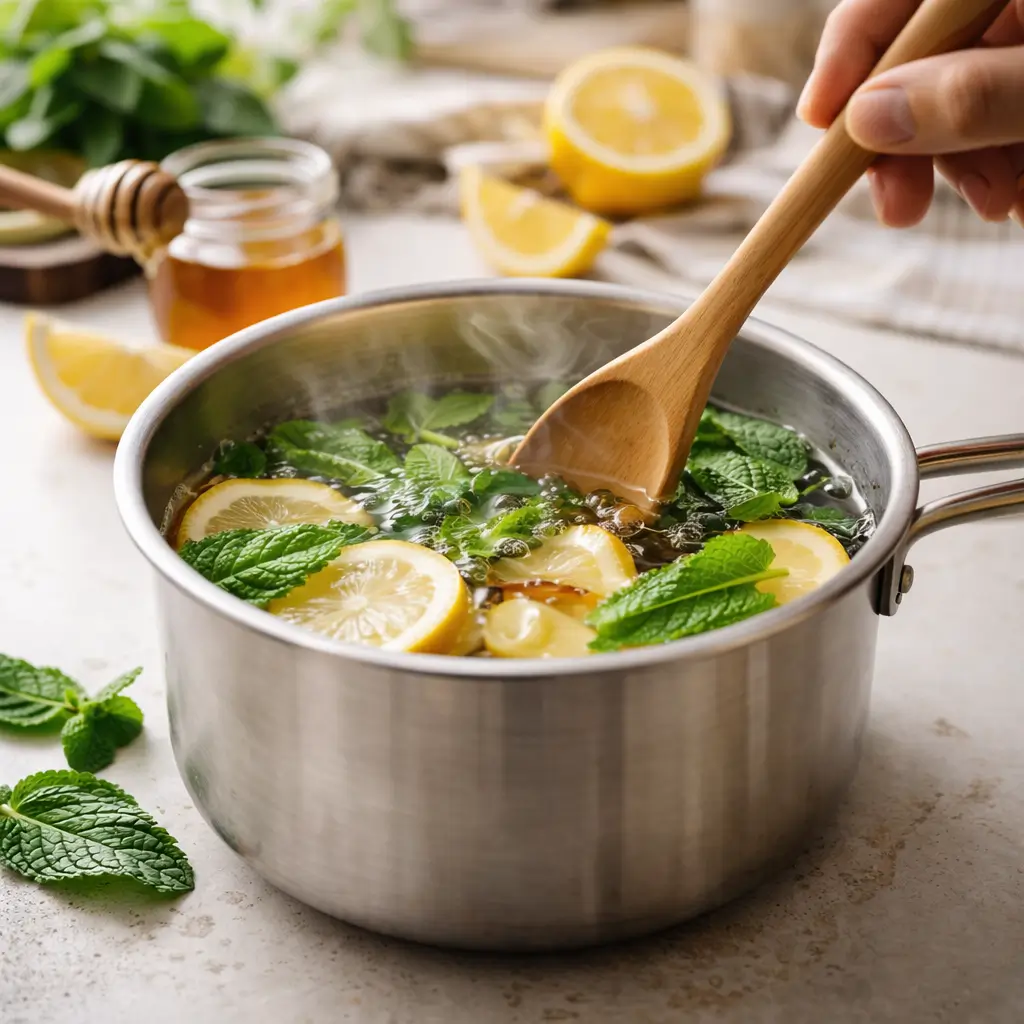
Pour two cups of water into a small saucepan and bring it to a gentle boil over medium heat.
Step 2
Add the fresh mint leaves and grated ginger to the hot water. Reduce the heat slightly and allow the mixture to simmer for about five minutes. This helps release the herbal oils and flavors.
Step 3
Turn off the heat and let the tea steep for another three to four minutes so the flavors can fully develop.
Step 4
Strain the tea into cups to remove the mint leaves and ginger pieces.
Step 5
Add fresh lemon juice and honey to taste. Stir gently until the honey dissolves.
Step 6
Serve warm and enjoy the fresh aroma of pulhia tea.
For the best flavor, drink the tea soon after brewing. Freshly prepared herbal tea delivers the strongest aroma and the most balanced taste.
Popular Pulhia Tea Variations You Can Try
One of the reasons pulhia tea is loved by home cooks is its flexibility. The basic recipe using mint, ginger, lemon, and honey creates a balanced herbal drink, but many people enjoy experimenting with different ingredients to create new flavor profiles. These variations allow you to customize pulhia tea depending on your taste preferences, seasonal ingredients, or wellness goals.
A common variation is adding green tea. Some people brew a small amount of green tea along with the herbal ingredients to introduce a mild earthy flavor and a small amount of caffeine. This version is often enjoyed in the morning because it provides a gentle energy boost.
Another popular option is adding cinnamon. A small cinnamon stick simmered with the ginger adds warmth and depth to the tea. The spice creates a comforting flavor that works especially well during colder months.
Turmeric is another ingredient sometimes included in pulhia tea variations. A small pinch of fresh grated turmeric can add an earthy note and a vibrant color to the tea.
Below is a simple comparison of popular pulhia tea variations and how they affect the flavor.
| Variation Ingredient | Flavor Change | Best Time to Drink |
|---|---|---|
| Green Tea | Slightly earthy and energizing | Morning or early afternoon |
| Cinnamon | Warm and comforting | Evening or cold weather |
| Turmeric | Earthy and slightly bitter | Wellness focused routines |
| Orange Peel | Bright citrus aroma | Afternoon refreshment |
These variations make pulhia tea adaptable to different preferences. You can start with the classic recipe and gradually experiment with new ingredients until you find the combination that fits your taste perfectly.
Ingredient Substitutions Available in U.S. Grocery Stores
One reason pulhia tea is easy to adopt in American kitchens is that its ingredients are widely available and flexible. Even if you cannot find a specific ingredient from the traditional recipe, there are many substitutes commonly sold in U.S. grocery stores that work just as well. These substitutions allow you to prepare pulhia tea without sacrificing flavor.
Fresh mint is the most common base for pulhia tea, but if fresh mint is unavailable you can use dried mint leaves. Dried herbs are often more concentrated, so a smaller amount is needed. About half a teaspoon of dried mint can replace one tablespoon of fresh mint.
Ginger can also be substituted in several ways. Fresh ginger root provides the strongest flavor, but ground ginger powder can work when fresh ginger is not available. A small pinch of ground ginger is usually enough to replicate the warmth and spice of the fresh root.
Lemon juice is another flexible ingredient. If fresh lemons are not available, bottled lemon juice can be used in small amounts. Some people also enjoy replacing lemon with lime juice for a slightly different citrus profile.
The following table highlights easy substitutions for common pulhia tea ingredients.
| Original Ingredient | U.S. Substitute Option | Flavor Difference |
|---|---|---|
| Fresh Mint | Dried Mint Leaves | Slightly stronger herbal taste |
| Fresh Ginger | Ground Ginger Powder | Less bright but still warm |
| Lemon Juice | Lime Juice or Bottled Lemon | Slightly sharper citrus note |
| Honey | Maple Syrup or Agave | Different sweetness profile |
These substitutions make pulhia tea accessible to almost anyone in the United States. Even with small changes, the drink still keeps its refreshing herbal character and comforting flavor.
Best Time to Drink Pulhia Tea for Maximum Enjoyment
Pulhia tea can be enjoyed at different times of the day because it is typically caffeine free and made with gentle herbal ingredients. Many people choose to drink it during moments when they want something warm, refreshing, and calming. Because the ingredients are light and aromatic, the tea fits easily into daily routines without feeling heavy.
A common time to enjoy pulhia tea is in the morning. Starting the day with a warm herbal drink can feel refreshing and hydrating. The bright flavor from lemon and the cooling notes from mint help create a clean and energizing start without relying on strong caffeine.
Another popular time is after meals. Many herbal drinks that include mint and ginger are traditionally consumed after eating because they provide a soothing sensation. A warm cup of pulhia tea can feel especially comforting after lunch or dinner.
Some people also enjoy pulhia tea during the afternoon when they want a break from coffee or sugary beverages. The light sweetness from honey combined with fresh herbs creates a satisfying drink that does not feel overly heavy.
The evening is another excellent time to prepare pulhia tea. Because the drink is usually caffeine free, it can be part of a relaxing nighttime routine. Many people find that sipping a warm herbal beverage helps them unwind after a busy day.
Below is a simple guide for choosing the best moment to drink pulhia tea.
| Time of Day | Why It Works Well |
|---|---|
| Morning | Refreshing and hydrating start |
| After Meals | Often enjoyed for digestive comfort |
| Afternoon | Light alternative to coffee |
| Evening | Relaxing caffeine free drink |
Choosing the right moment to enjoy pulhia tea depends on your personal routine, but its gentle ingredients make it suitable for almost any time of day.
Storage Tips and How Long It Lasts
Freshly brewed herbal tea always delivers the best aroma and flavor, but it is still possible to store leftover tea if you prepare a larger batch. Proper storage helps maintain the freshness of the herbs and prevents the drink from losing its natural taste.
If you have extra tea after brewing, allow it to cool to room temperature before storing it. Pour the cooled liquid into a clean glass container or a sealed jar. Glass containers are often preferred because they do not absorb odors and help preserve the natural flavors of the herbs.
Once sealed, the tea can be kept in the refrigerator. When stored properly, it usually stays fresh for up to two days. After this time the flavor may start to fade, and the herbal aroma becomes weaker. For the best experience, it is recommended to drink it within twenty four hours.
Some people also enjoy serving the chilled version as a refreshing cold drink. If you plan to enjoy it cold, simply pour the refrigerated tea over ice and add a fresh slice of lemon or a few mint leaves before serving.
Freezing herbal tea is generally not recommended because it can change the flavor and reduce the freshness of the herbs. The delicate aroma from ingredients such as mint and ginger tends to fade after freezing.
To maintain the best taste, brew smaller batches whenever possible. Preparing a fresh pot takes only a few minutes and ensures that the drink keeps its bright, aromatic character every time you enjoy it.
Conclusion
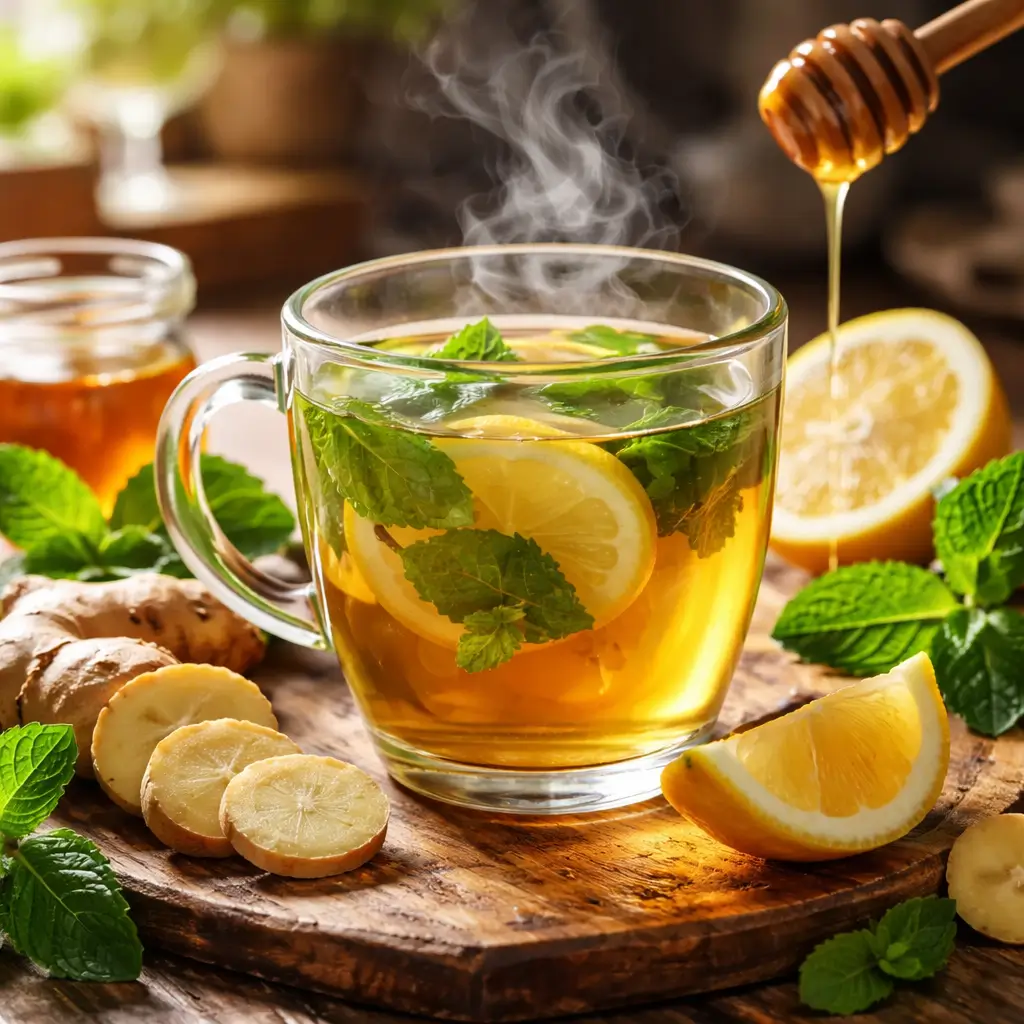
Pulhia tea has become an increasingly popular herbal drink among people looking for simple, natural beverages that are easy to prepare at home. Its combination of mint, ginger, lemon, and honey creates a refreshing flavor while offering a soothing and aromatic experience that fits well into everyday routines.
The drink’s growing popularity in the United States is largely due to its simplicity and flexibility. The ingredients are easy to find in most grocery stores, and the recipe can be adjusted to match personal taste preferences. Whether enjoyed warm in the morning, after meals, or as a calming evening drink, pulhia tea provides a light and enjoyable option for anyone exploring herbal beverages.
Because it can also be customized with additional spices or citrus variations, the recipe remains versatile and approachable for home cooks. Preparing it takes only a few minutes, making it a convenient addition to a balanced lifestyle.
If you are looking for a refreshing herbal drink with natural ingredients and a pleasant aroma, pulhia tea is a wonderful recipe to try in your own kitchen.
FAQs About Pulhia Tea
What is pulhia tea made of?
Pulhia tea is typically prepared using a blend of simple herbal ingredients such as fresh mint leaves, ginger, lemon juice, and honey. The drink is brewed by simmering the herbs and spices in water and allowing them to steep before straining. Because the recipe is flexible, some people also add ingredients like cinnamon, green tea, or orange peel to customize the flavor.
Does pulhia tea contain caffeine?
Most versions of pulhia tea are naturally caffeine free because the drink is made with herbs instead of traditional tea leaves. However, some variations may include green tea for added flavor and mild energy. If you prefer a completely caffeine free beverage, simply prepare the herbal version using mint, ginger, and lemon without adding any tea leaves.
What does pulhia tea taste like?
Pulhia tea has a refreshing and balanced flavor. The mint creates a cooling herbal note, ginger adds gentle warmth and spice, and lemon contributes a bright citrus taste. When honey is added, it softens the flavors and creates a lightly sweet finish. The result is a smooth, aromatic drink that feels both calming and refreshing.
Why is pulhia tea becoming popular?
Interest in herbal drinks has grown significantly as people search for natural alternatives to sugary beverages. Pulhia tea has gained attention because it is simple to prepare, uses accessible ingredients, and fits into wellness focused lifestyles. Social media and recipe blogs have also helped introduce the drink to new audiences.
Can I drink pulhia tea every day?
For most people, drinking herbal tea made with ingredients like mint, ginger, and lemon can be part of a balanced routine. These ingredients are widely used in herbal beverages around the world. However, it is always a good idea to enjoy any drink in moderation and consult a healthcare professional if you have specific dietary concerns.
Is pulhia tea good for digestion?
Many herbal drinks containing mint and ginger are traditionally enjoyed after meals because they provide a soothing sensation. While the drink is not a medical treatment, the ingredients used in pulhia tea are commonly associated with digestive comfort and relaxation.
Can pulhia tea be served cold?
Yes, it can also be enjoyed as a chilled drink. After brewing, allow the tea to cool and store it in the refrigerator. Serve it over ice with fresh mint or lemon slices for a refreshing summer beverage.
What sweeteners can be used instead of honey?
If you prefer not to use honey, several alternatives work well. Maple syrup, agave syrup, or even a small amount of brown sugar can add sweetness while maintaining the flavor balance of the drink.
Where can I find ingredients for pulhia tea in the United States?
Most ingredients needed for pulhia tea are easy to find in American grocery stores. Fresh mint, ginger, lemons, and honey are widely available in supermarkets, farmers markets, and organic food stores.
How long does pulhia tea stay fresh?
Once brewed, the tea can be stored in a sealed container in the refrigerator for up to two days. For the best aroma and flavor, it is recommended to drink it within the first twenty four hours after preparation.
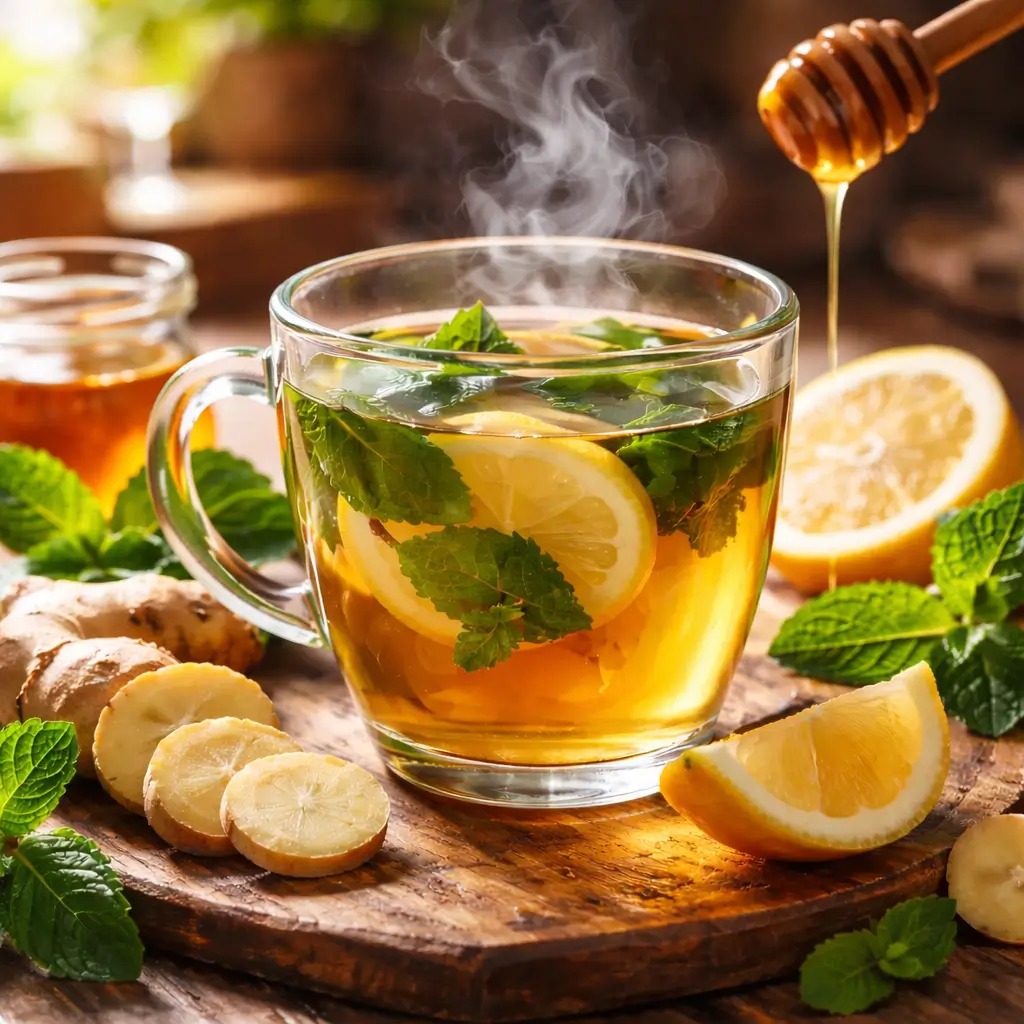
pulhia tea the surprising herbal drink everyone is talking about
Ingredients
Method
- Pour the water into a small saucepan and bring it to a gentle boil over medium heat.
- Add the fresh mint leaves and grated ginger to the boiling water.
- Reduce the heat slightly and allow the mixture to simmer for about 5 minutes.
- Remove the saucepan from the heat and let the tea steep for about 3 minutes to develop flavor.
- Strain the tea into cups to remove the mint leaves and ginger pieces.
- Add lemon juice and honey to taste, then stir until the honey dissolves.
- Serve warm and garnish with fresh lemon slices if desired.
Notes
Adjust the amount of honey depending on your sweetness preference.
For a stronger herbal flavor, allow the tea to steep an extra 2 minutes.
You can also chill the tea and serve it over ice for a refreshing cold version.