
bariatric tips tricks and recipes are essential for anyone navigating life after weight loss surgery in the United States. Whether you’ve had gastric bypass, sleeve gastrectomy, or another bariatric procedure, your success depends heavily on how you eat, hydrate, and nourish your body moving forward. Surgery changes your stomach size but long term results depend on daily habits. That’s why understanding portion control, protein prioritization, low sugar choices, and nutrient dense meals is critical. The right approach helps you maintain weight loss, protect muscle mass, avoid nutrient deficiencies, and feel energized throughout the day.
bariatric tips tricks and recipes also go beyond what’s on your plate. They include smart meal planning strategies, mindful eating practices, hydration timing, label reading skills, and practical ways to avoid common setbacks like dumping syndrome or protein deficiency. In the US, bariatric programs emphasize structured eating patterns, high protein intake, and long term lifestyle adjustments not short term dieting.
This guide is designed to give you clear, realistic, and medically aligned advice that supports your provider’s recommendations. You’ll learn how to build balanced bariatric friendly meals, prepare simple recipes at home, and develop sustainable routines that fit busy American lifestyles. The goal isn’t perfection it’s consistency, confidence, and long term health success.
Curious what makes this chili so rich, bold, and unforgettable? Click below to discover the 10 game changing tricks that elevate it beyond the ordinary 10 Trick Chili Recipe That Will Blow Your Mind
Understanding the Bariatric Diet Foundation
After surgery, bariatric tips tricks and recipes must align with the fundamental principles of a bariatric friendly diet: high protein, low sugar, controlled portions, and nutrient density. In the early months, your stomach capacity is dramatically reduced, which means every bite must deliver meaningful nutrition. Most US bariatric programs recommend prioritizing lean protein first at every meal typically 60–100 grams daily depending on your provider’s guidance. Protein protects muscle mass, supports healing, and improves satiety, which helps prevent grazing. Carbohydrates are reintroduced gradually, focusing on fiber rich vegetables and small portions of whole foods rather than refined grains.
Portion control becomes non negotiable, and bariatric tips tricks and recipes often emphasize measuring food instead of estimating. Many patients use 4 ounce containers, small ramekins, or a food scale to prevent overeating. Eating slowly taking 20 to 30 minutes per meal reduces discomfort and helps you recognize fullness signals. Because the stomach pouch fills quickly, even a few extra bites can cause pressure, nausea, or vomiting. Structured meals, typically three small meals plus one or two planned protein snacks, help stabilize blood sugar and reduce impulsive eating.
Nutrient density is another core element behind effective bariatric tips tricks and recipes, especially since smaller portions increase the risk of vitamin deficiencies. Foods rich in iron, calcium, vitamin B12, and folate become especially important. Many US bariatric centers recommend lifelong supplementation alongside a balanced diet. By building meals around protein first, vegetables second, and healthy fats in moderation, you create a sustainable pattern that supports long term weight stability rather than temporary results.
Smart Portion Control Strategies That Actually Work
Mastering portions is one of the most practical bariatric tips tricks and recipes lessons you can apply immediately after surgery. Because your stomach pouch is significantly smaller, standard American serving sizes no longer apply. A typical post op meal may be just ½ to 1 cup of food total. Using small plates, 4 ounce meal prep containers, or silicone muffin cups helps visually reinforce appropriate portions. Many registered dietitians in US bariatric programs also recommend weighing protein servings to ensure you consistently meet daily targets without overeating.
Tracking intake is another powerful strategy connected to bariatric tips tricks and recipes success. Logging meals in a food journal or app helps identify patterns like grazing, under eating protein, or consuming hidden sugars. Patients who track consistently often maintain weight loss more effectively long term. Measuring also protects against “portion creep,” which can happen gradually over months or years. Even an extra two tablespoons per meal can slow weight loss progress or contribute to regain over time.
Below is a practical comparison of standard US portions versus bariatric friendly portions:
| Food Item | Standard US Portion | Bariatric Friendly Portion |
|---|---|---|
| Grilled Chicken | 6–8 oz | 2–3 oz |
| Cooked Rice | 1 cup | 2–3 tbsp (if tolerated) |
| Steamed Vegetables | 1 cup | ¼–½ cup |
| Greek Yogurt | 1 cup | ½ cup |
| Cheese | 2 oz | 1 oz |
Consistent portion awareness, paired with mindful eating, turns bariatric tips tricks and recipes into long term lifestyle habits instead of short term adjustments.
High Protein Foods That Support Healing and Weight Loss
Prioritizing protein is one of the most critical bariatric tips tricks and recipes strategies for long term success. After bariatric surgery, your body needs adequate protein to preserve lean muscle mass, support tissue repair, and maintain metabolic rate. Most US bariatric providers recommend 60–100 grams of protein daily, though individual needs vary. Because your total intake volume is limited, protein must come first at every meal before vegetables or carbohydrates. Skipping this step often leads to fatigue, hair thinning, muscle loss, and stalled weight loss.

Lean animal proteins are typically well tolerated once you transition to solid foods. Skinless chicken breast, turkey, eggs, egg whites, salmon, tuna, lean ground beef (90% lean or higher), and low fat cottage cheese are staples in many bariatric tips tricks and recipes meal plans. Greek yogurt with no added sugar is another convenient option that delivers high protein in a small serving size. For plant based eaters, options include tofu, tempeh, edamame, and protein enriched dairy alternatives, though tolerance varies individually.
Protein shakes can be useful especially in early recovery but whole food sources are generally preferred long term. Look for shakes with at least 20 grams of protein, under 5 grams of sugar, and minimal additives. Below is a helpful protein comparison guide:
| Food (Serving Size) | Protein (Approx.) |
|---|---|
| 3 oz Grilled Chicken | 21 g |
| 1 Large Egg | 6 g |
| ½ Cup Cottage Cheese | 12–14 g |
| ½ Cup Plain Greek Yogurt | 10–12 g |
| 3 oz Salmon | 19–22 g |
| ½ Cup Tofu | 10 g |
Choosing high quality protein consistently makes bariatric tips tricks and recipes more effective and sustainable.
Low Sugar, Low Carb Choices That Prevent Setbacks
Avoiding excess sugar is one of the most protective bariatric tips tricks and recipes habits you can build after surgery. Many patients especially those who have had gastric bypass experience dumping syndrome when consuming high sugar foods. Symptoms may include nausea, sweating, dizziness, rapid heartbeat, and diarrhea shortly after eating. Even for those who don’t experience dumping, added sugars can slow weight loss and trigger cravings. Most US bariatric programs recommend limiting added sugar to fewer than 10 grams per serving, and often much less in the early stages.
Reading nutrition labels carefully is essential when applying bariatric tips tricks and recipes in everyday grocery shopping. Look beyond obvious sweets like cookies or candy. Hidden sugars frequently appear in flavored yogurt, protein bars, salad dressings, pasta sauces, and even “healthy” smoothies. Ingredients such as corn syrup, cane juice, honey, agave nectar, and dextrose all count toward sugar intake. Choosing plain Greek yogurt instead of flavored versions, unsweetened almond milk instead of sweetened dairy alternatives, and homemade sauces instead of bottled ones can significantly reduce sugar exposure.
Carbohydrates are not eliminated entirely in effective bariatric tips tricks and recipes, but quality matters. Focus on non starchy vegetables like zucchini, spinach, broccoli, cauliflower, and bell peppers. Small portions of berries are typically better tolerated than high sugar fruits. Whole grains may be reintroduced cautiously, depending on tolerance and provider guidance. The key is balance: protein first, vegetables second, and minimal refined carbs. This structured approach supports stable blood sugar, reduces cravings, and protects long term weight maintenance.
Hydration Habits That Support Recovery and Energy
Staying hydrated is one of the most overlooked yet powerful bariatric tips tricks and recipes strategies for long term health. After surgery, your stomach capacity is smaller, which means you can’t drink large amounts at once. Most US bariatric programs recommend at least 64 ounces of fluid daily, sipped slowly throughout the day. Dehydration can cause fatigue, headaches, dizziness, constipation, and even hospital readmission in severe cases. Because thirst signals may feel different after surgery, many patients rely on scheduled sipping rather than waiting to feel thirsty.
Timing matters just as much as total intake when following bariatric tips tricks and recipes hydration guidelines. Drinking 30 minutes before meals and waiting 30 minutes after eating helps prevent overfilling the pouch and reduces discomfort. Drinking during meals can push food through the stomach too quickly, potentially decreasing satiety or triggering nausea. Room temperature water is often better tolerated than ice cold beverages. Avoid carbonated drinks, as carbonation can cause bloating and pressure.
Not all fluids are equal in effective bariatric tips tricks and recipes planning. Choose water, sugar free electrolyte beverages, herbal tea, or diluted protein water when recommended by your provider. Avoid sugary drinks, fruit juices, sweetened coffee beverages, and alcohol, especially during the first year post op. Many patients find success using a marked water bottle to track intake hourly. Consistent hydration improves digestion, supports kidney health, reduces cravings mistaken for hunger, and enhances overall recovery.
Meal Planning and Weekly Prep for Long Term Success
Consistent meal planning is one of the most practical bariatric tips tricks and recipes strategies for preventing impulsive eating and nutritional gaps. Without a plan, it’s easy to grab convenience foods that are too high in sugar or too low in protein. Setting aside time once a week to plan meals ensures you always have bariatric friendly options available. Many successful patients build their weekly menu around three core proteins such as grilled chicken, baked salmon, and lean ground turkey then rotate vegetables and seasonings for variety.
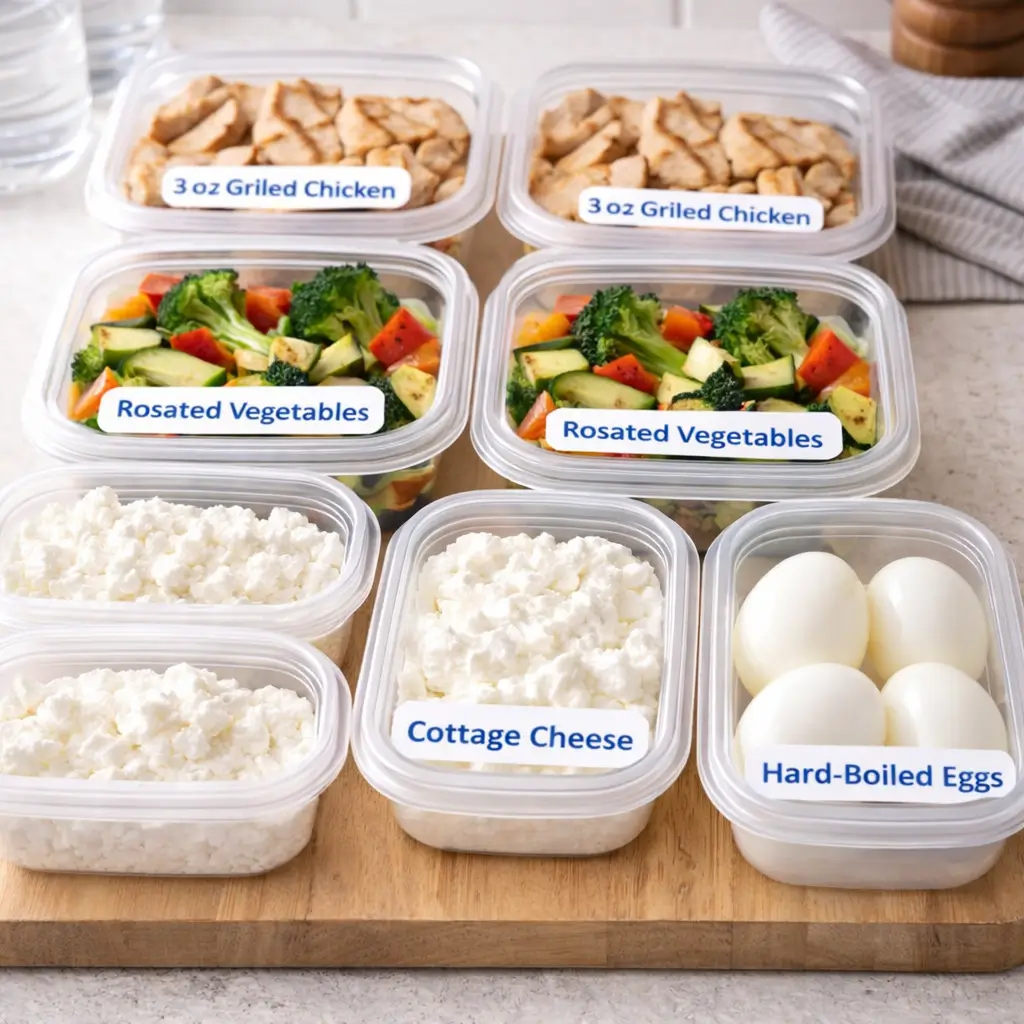
Batch cooking supports structured eating, which is central to sustainable bariatric tips tricks and recipes routines. Preparing protein in advance allows you to portion meals into 4 ounce containers for easy grab and go access. Pre chopping vegetables, washing greens, and dividing snacks like cottage cheese or Greek yogurt into measured servings reduces decision fatigue. Keeping protein forward snacks accessible prevents grazing on low nutrient foods when hunger strikes unexpectedly.

Below is an example of a simple weekly bariatric meal prep framework:
| Day | Protein Focus | Vegetable Pairing | Snack Option |
|---|---|---|---|
| Monday | Grilled Chicken | Steamed Broccoli | Greek Yogurt (½ cup) |
| Tuesday | Baked Salmon | Roasted Zucchini | Cottage Cheese (½ cup) |
| Wednesday | Ground Turkey | Sautéed Spinach | Hard Boiled Egg |
| Thursday | Shredded Chicken | Cauliflower Rice | Protein Shake |
| Friday | Lean Beef Crumbles | Bell Peppers | String Cheese |
Creating structure through planning transforms bariatric tips tricks and recipes from reactive choices into intentional habits that support steady progress.
Mindful Eating and Behavioral Tricks That Prevent Overeating
Developing mindful eating habits is one of the most transformative bariatric tips tricks and recipes strategies for maintaining long term weight loss. After surgery, your physical restriction changes how much you can eat but behavioral habits still determine success. Eating slowly, chewing thoroughly (20–30 chews per bite), and setting utensils down between bites can prevent discomfort and help you recognize fullness earlier. Most US bariatric programs recommend taking at least 20 minutes to finish a small meal. When you rush, it’s easier to overeat before your brain registers satiety.
Eliminating distractions during meals strengthens bariatric tips tricks and recipes effectiveness. Eating while watching TV, scrolling on your phone, or working at your desk increases the likelihood of mindless bites and portion creep. Instead, sit at a table, focus on the texture and flavor of your food, and pause halfway through your meal to assess fullness. Many patients find that a simple 1–10 hunger scale helps distinguish emotional eating from true physical hunger.
Behavioral consistency is just as important as food selection in sustainable bariatric tips tricks and recipes success. Avoid grazing throughout the day, which can sabotage restriction benefits. Stick to planned meals and protein forward snacks. Identify emotional triggers such as stress or boredom and build alternative coping tools like short walks, journaling, or calling a support partner. Mindful eating isn’t about perfection; it’s about awareness. When practiced consistently, it protects your surgical investment and reinforces healthy habits for years to come.
Easy Bariatric Friendly Breakfast Recipes
Starting your day with protein is one of the simplest bariatric tips tricks and recipes habits that improves energy, stabilizes blood sugar, and reduces mid morning cravings. Breakfast after bariatric surgery should be compact, protein forward, and low in added sugar. Many traditional American breakfast foods like pastries, cereal, and pancakes are too high in refined carbohydrates. Instead, focus on small portions packed with quality nutrients.
Recipe 1: High Protein Egg Muffin Cups
These portable egg muffins are ideal for weekly prep and portion control within structured bariatric tips tricks and recipes routines.
Ingredients (Makes 6 servings)
- 4 large eggs
- ½ cup egg whites
- ½ cup cooked spinach, chopped
- ¼ cup diced bell peppers
- ¼ cup shredded reduced fat cheese
- Salt and pepper to taste
Instructions
- Preheat oven to 350°F.
- Whisk eggs and egg whites until smooth.
- Stir in vegetables and cheese.
- Pour evenly into a greased muffin tin (fill halfway).
- Bake 18–22 minutes until set.
Nutrition (per muffin, approx.)
- Protein: 8–10g
- Calories: 90–110
- Sugar: <1g
Recipe 2: Greek Yogurt Protein Bowl
A quick option that fits balanced bariatric tips tricks and recipes meal plans.
Ingredients (1 serving)
- ½ cup plain nonfat Greek yogurt
- 1 tablespoon chia seeds
- 2 tablespoons fresh blueberries
- Optional: sugar free cinnamon
Instructions
- Mix yogurt and chia seeds.
- Top with berries and cinnamon.
Nutrition (approx.)
- Protein: 12–15g
- Calories: 140–160
- Sugar: 3–5g (natural)
Both options provide protein first nutrition in manageable portions.
Simple Bariatric Friendly Lunch and Dinner Recipes
Balanced midday and evening meals are essential in sustainable bariatric tips tricks and recipes planning. Lunch and dinner should center on lean protein, include a small portion of non starchy vegetables, and avoid heavy sauces or refined carbohydrates. Keeping meals simple reduces digestive discomfort and makes consistency easier to maintain.
Recipe 3: Lemon Herb Grilled Chicken Bowl
This protein focused bowl supports structured bariatric tips tricks and recipes habits while keeping portions controlled.
Ingredients (2 servings)
- 6 oz skinless chicken breast
- 1 cup zucchini, sliced
- ½ cup cauliflower rice
- 1 teaspoon olive oil
- Lemon juice, garlic powder, dried oregano
- Salt and pepper to taste
Instructions
- Season chicken with lemon juice and spices.
- Grill or pan sear until internal temp reaches 165°F.
- Lightly sauté zucchini and cauliflower rice in olive oil.
- Portion 3 oz chicken with ½ cup vegetables per serving.
Nutrition (per serving, approx.)
- Protein: 21–24g
- Calories: 220–260
- Sugar: 2–3g
Recipe 4: Turkey Taco Lettuce Cups
A flavorful alternative to traditional tacos within bariatric tips tricks and recipes guidelines.
Ingredients (2 servings)
- 6 oz lean ground turkey (93% lean)
- ¼ cup diced tomatoes
- 1 tablespoon taco seasoning (low sodium)
- Romaine lettuce leaves
- 1 tablespoon shredded reduced fat cheese
Instructions
- Cook turkey until fully browned.
- Stir in seasoning and tomatoes.
- Spoon 3 oz turkey into lettuce leaves.
- Top lightly with cheese.
Nutrition (per serving, approx.)
- Protein: 20–23g
- Calories: 200–240
- Sugar: <3g
These meals prioritize protein and minimize added sugars for long term success.
Common Mistakes to Avoid After Bariatric Surgery
Avoiding common pitfalls is a core part of sustainable bariatric tips tricks and recipes success. One of the most frequent mistakes is prioritizing carbohydrates over protein. When bread, pasta, or snack foods fill your limited stomach capacity, you crowd out essential nutrients and reduce satiety. Over time, this pattern can contribute to stalled weight loss or gradual regain. Always eat protein first, and stop once comfortably satisfied even if vegetables remain.
Another critical issue in long term bariatric tips tricks and recipes adherence is grazing. Small, unplanned bites throughout the day may seem harmless, but they bypass the restriction benefits of surgery. Structured meals with planned protein snacks help prevent mindless eating. Skipping meals can also backfire, leading to overeating later. Consistency supports stable blood sugar and better hunger regulation.
Hydration mistakes are equally important in effective bariatric tips tricks and recipes routines. Drinking too quickly, consuming carbonated beverages, or sipping during meals can cause discomfort and reduce fullness cues. Alcohol is another concern; after surgery, absorption changes, making intoxication faster and more intense. Many US bariatric programs recommend avoiding alcohol for at least the first year and using caution afterward.
Finally, neglecting vitamin and mineral supplementation can lead to deficiencies in iron, B12, calcium, and vitamin D. Always follow your healthcare provider’s lab monitoring schedule and supplement guidance. Surgery is a powerful tool but habits determine long term outcomes.
Conclusion
Sustainable success with bariatric tips tricks and recipes depends on consistency, structure, and informed decision making. Surgery is a powerful starting point but daily habits determine long term health outcomes. Prioritize lean protein, measure portions carefully, limit added sugars, hydrate properly, and follow your provider’s supplement guidance. Plan meals ahead, practice mindful eating, and avoid grazing to protect your progress.
Remember, every patient’s journey is unique. Work closely with your bariatric surgeon, registered dietitian, and healthcare team to personalize these strategies to your needs. When applied consistently, these principles support steady weight maintenance, improved energy, and better overall health. The goal isn’t restriction it’s nourishment, balance, and long term confidence in your lifestyle.
FAQs
1. What are the most important bariatric tips tricks and recipes to follow daily?
The most important habits include prioritizing protein first at every meal, measuring portions carefully, avoiding added sugars, and staying hydrated with at least 64 ounces of fluid daily. Eat slowly, avoid drinking during meals, and follow your supplement plan exactly as prescribed. Consistency matters more than perfection, and structured routines help maintain long term weight stability.
2. How much protein do I need after bariatric surgery?
Most US bariatric providers recommend 60–100 grams of protein per day, depending on body size and procedure type. Your dietitian may personalize this range. Protein should come primarily from lean whole foods like chicken, fish, eggs, Greek yogurt, and cottage cheese, with protein shakes used as needed to meet goals.
3. Can I ever eat carbohydrates again?
Yes, but moderation and quality matter. Focus on non starchy vegetables first, then small portions of whole foods if tolerated. Avoid refined grains and high sugar items, as they may trigger cravings or dumping syndrome. Always prioritize protein before carbohydrates.
4. What is dumping syndrome?
Dumping syndrome occurs when high sugar or high fat foods move too quickly into the small intestine, causing symptoms like nausea, sweating, dizziness, and diarrhea. Limiting added sugars significantly reduces risk.
5. How do I prevent hair loss after surgery?
Adequate protein intake and consistent vitamin supplementation especially iron, zinc, and B vitamins help reduce hair thinning. Temporary shedding is common during rapid weight loss but usually stabilizes with proper nutrition.
6. Is it normal to stall in weight loss?
Yes. Weight loss often occurs in phases. Plateaus can happen as your body adjusts. Review portion sizes, protein intake, hydration, and activity levels before assuming failure.
7. When can I drink coffee again?
Most providers allow caffeine after the initial recovery period, typically around 4–6 weeks, but recommendations vary. Choose unsweetened options and avoid high calorie creamers.
8. Do I need vitamins forever?
In most cases, yes. Bariatric surgery alters nutrient absorption, making lifelong supplementation essential. Regular lab work ensures levels stay within safe ranges.
Follow us on Pinterest
bariatric tips tricks and recipes for lasting success proven plan
Ingredients
Method
- Preheat grill or skillet over medium heat.
- Season the chicken breast with lemon juice, garlic powder, oregano, salt, and pepper.
- Cook chicken for 5–7 minutes per side, or until internal temperature reaches 165°F.
- In a separate pan, heat olive oil over medium heat.
- Sauté zucchini and cauliflower rice for 3–5 minutes until tender but not mushy.
- Portion 3 ounces of cooked chicken with approximately ½ cup of vegetables per serving.
- Eat protein first, followed by vegetables, as recommended for bariatric success.
Notes
- Always measure portions to prevent overeating.
- Eat slowly and chew thoroughly.
- Avoid drinking fluids 30 minutes before and after meals.
- Adjust seasoning without adding sugar heavy sauces.
- Follow your healthcare provider’s protein and supplement recommendations.