
How to make collagen marshmallows is a question more home cooks in the United States are asking as wellness trends and high protein treats continue to gain popularity. These soft, fluffy squares look like classic marshmallows, but they’re made with added collagen powder typically sourced from bovine or marine collagen to boost protein content without dramatically changing texture or flavor. If you’ve seen them in specialty health stores or across social media, you might be wondering whether you can recreate them at home. The good news? You absolutely can.
How to make collagen marshmallows at home is surprisingly simple when you understand the science behind them. Traditional marshmallows rely on gelatin, sugar, and air whipped into a stable foam. Collagen marshmallows follow a similar process but include collagen peptides for added protein. While they’re not a miracle food and shouldn’t be treated as one they can be a fun, better for you alternative to store bought varieties loaded with corn syrup and artificial flavors.
In this guide, you’ll learn exactly what collagen marshmallows are, how they differ from classic versions, and how to make them step by step with reliable results. We’ll also cover texture tips, sweetener swaps, flavor variations, storage guidance, and realistic health considerations.
Curious how to stay on track after bariatric surgery and build habits that truly last? Click below to discover practical tips, smart tricks, and proven recipes for long-term success Bariatric Tips, Tricks, and Recipes for Lasting Success Proven Plan
What Are Collagen Marshmallows?
Collagen marshmallows are homemade marshmallows made with collagen peptides added to the traditional base of gelatin, sweetener, and water. They look and feel similar to classic marshmallows, with a soft, airy structure and light sweetness, but they contain additional protein from collagen. Most recipes use unflavored collagen peptides because they dissolve easily and blend smoothly into the mixture without changing the taste.
To understand how to make collagen marshmallows successfully, it helps to know how they differ from regular marshmallows. Traditional marshmallows are made by whipping hot sugar syrup into bloomed gelatin until a stable foam forms. The structure comes from gelatin trapping air bubbles as the mixture cools. Collagen on its own does not gel in the same way as gelatin, which means it cannot replace gelatin entirely. Instead, collagen is added alongside gelatin to increase protein content while preserving that signature fluffy texture.
People are interested in collagen marshmallows for several reasons. Some want a treat with slightly more protein. Others prefer making sweets at home to control the type of sweetener used, such as honey or maple syrup instead of corn syrup. Many also enjoy experimenting with functional ingredients while still enjoying familiar comfort foods.
In short, collagen marshmallows are not a completely different dessert. They are a thoughtful variation of a classic treat, adapted for modern wellness focused kitchens.
Ingredients You Need to Make Collagen Marshmallows
When learning how to make collagen marshmallows, choosing the right ingredients is the foundation of success. The ingredient list is simple, but each component plays a specific role in structure, sweetness, and texture. Using high quality ingredients ensures your marshmallows set properly and maintain that soft, fluffy consistency people expect.
Below is a complete ingredient list with standard US measurements for how to make collagen marshmallows at home:
| Ingredient | Amount | Purpose |
|---|---|---|
| Unflavored gelatin | 3 tablespoons | Creates structure and stability |
| Unflavored collagen peptides | 1/4 cup | Adds protein without affecting texture |
| Water | 1 cup total, divided | Blooms gelatin and dissolves sweetener |
| Honey or pure maple syrup | 3/4 to 1 cup | Natural sweetener |
| Vanilla extract | 1 teaspoon | Enhances flavor |
| Sea salt | 1/8 teaspoon | Balances sweetness |
| Arrowroot powder or powdered sugar | For dusting | Prevents sticking |
Understanding how to make collagen marshmallows properly means recognizing that gelatin is essential. Collagen peptides do not replace gelatin because they do not form the same firm gel structure when cooled. Gelatin traps air during whipping, which gives marshmallows their lift and elasticity.
When preparing how to make collagen marshmallows, it is also important to measure accurately. Too little gelatin results in marshmallows that never fully set. Too much liquid can prevent proper whipping. Sticking closely to the measurements above ensures consistent results, especially if this is your first time making them.
Step by Step Instructions for How to Make Collagen Marshmallows
Understanding how to make collagen marshmallows becomes much easier when the process is broken down into clear, manageable steps. While the technique may seem intimidating at first, it is actually straightforward once you see how each stage builds the final texture.
When starting how to make collagen marshmallows, begin by preparing your pan. Line an 8 by 8 inch baking dish with parchment paper and lightly dust it with arrowroot powder to prevent sticking. In the bowl of a stand mixer, add 1/2 cup of water and sprinkle the gelatin evenly over the surface. Let it bloom for about 5 to 10 minutes until it becomes thick and spongy.
The next stage in how to make collagen marshmallows involves heating the sweetener. In a small saucepan, combine the remaining 1/2 cup of water with honey or maple syrup and a pinch of salt. Heat over medium until the mixture reaches about 240 degrees Fahrenheit using a candy thermometer. This temperature creates the right syrup consistency for structure.
As you continue learning how to make collagen marshmallows, slowly pour the hot syrup into the bloomed gelatin while mixing on low speed. Gradually increase to high speed and whip for 8 to 12 minutes until thick, glossy, and fluffy. Add collagen peptides and vanilla extract during the final minute of whipping to ensure even distribution.
Finally, pour the mixture into your prepared pan and smooth the top quickly. Allow it to set at room temperature for at least 4 hours before cutting into squares.
Texture Science and Why Temperature Matters
When mastering how to make collagen marshmallows, understanding the science behind texture makes a noticeable difference in your final results. Marshmallows are essentially a stable foam created by whipping air into a hot sugar syrup that is supported by gelatin. The temperature of the syrup determines how well that foam holds its structure once cooled.
If you are serious about how to make collagen marshmallows with a light and fluffy interior, the syrup must reach the soft ball stage, which is around 235 to 240 degrees Fahrenheit. At this temperature, the sugar concentration is high enough to create stability without turning the mixture into candy. Using a reliable candy thermometer is strongly recommended for consistency.
Below is a temperature reference table to help you better understand how to make collagen marshmallows with proper structure:
| Stage | Temperature | Texture Outcome |
|---|---|---|
| Thread Stage | 230 F | Too soft, unstable foam |
| Soft Ball Stage | 235 to 240 F | Ideal for fluffy marshmallows |
| Firm Ball Stage | 245 to 250 F | Too dense and chewy |
Another key factor in how to make collagen marshmallows successfully is whipping time. Under whipping produces a runny mixture that never fully sets, while over whipping can cause the mixture to stiffen too quickly before transferring to the pan. Aim for a thick, glossy consistency that forms soft peaks but still spreads easily.
Common Mistakes to Avoid When Making Collagen Marshmallows
If you are learning how to make collagen marshmallows for the first time, avoiding common mistakes will save you frustration and wasted ingredients. Marshmallows are simple in theory, but small missteps can affect texture, stability, and flavor.
One of the biggest errors when practicing how to make collagen marshmallows is overheating or underheating the syrup. If the temperature does not reach at least 235 degrees Fahrenheit, the mixture may never fully set. If it goes too high, the final texture can become dense and rubbery instead of soft and airy.
Another frequent issue in how to make collagen marshmallows is adding collagen too early. Collagen peptides should be added toward the end of the whipping process. Adding them directly to boiling syrup can reduce their quality and may slightly alter texture. Mixing them in during the final minute ensures even distribution without affecting the foam structure created by gelatin.
Humidity is another overlooked factor when considering how to make collagen marshmallows. On very humid days, marshmallows can absorb moisture from the air, making them sticky and harder to cut. Lightly dusting the top with arrowroot powder and allowing them to set in a dry space helps maintain structure.
Finally, inaccurate measurements can derail your results. Use standard measuring cups and spoons, and level off dry ingredients carefully to maintain balance.
Sweetener Options and Flavor Variations
When exploring how to make collagen marshmallows, one of the biggest advantages of homemade preparation is control over sweetness and flavor. Unlike store bought versions that often rely on corn syrup and artificial additives, you can customize ingredients to match your preferences and dietary goals.
If you want a more traditional taste while learning how to make collagen marshmallows, honey is a popular choice. It provides stable structure and a mild floral sweetness. Maple syrup creates a slightly deeper flavor with subtle caramel notes. Some people experiment with organic cane sugar syrup, but that requires precise temperature control to maintain texture.
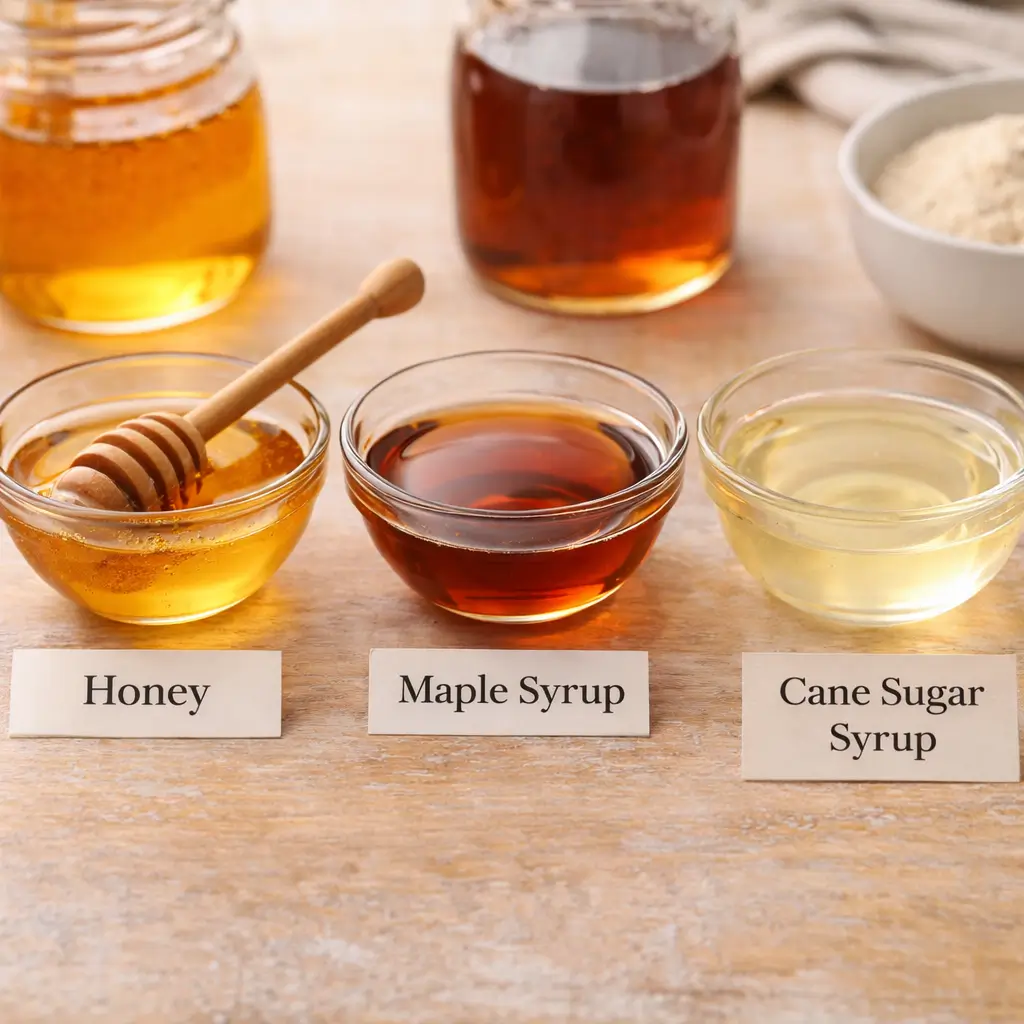
Here is a comparison table to help guide your choice when deciding how to make collagen marshmallows with different sweeteners:
| Sweetener | Flavor Profile | Texture Impact | Best For |
|---|---|---|---|
| Honey | Light, floral | Stable and fluffy | Classic flavor |
| Maple syrup | Rich, warm | Slightly softer | Fall inspired recipes |
| Cane sugar syrup | Neutral sweet | Firm structure | Traditional style |
Flavor additions are another way to personalize how to make collagen marshmallows. Vanilla extract is standard, but peppermint extract works well during the holidays. Cocoa powder can be whipped in at the end for chocolate marshmallows. Freeze dried strawberry powder adds natural fruit flavor without excess moisture.
When adding flavorings while mastering how to make collagen marshmallows, keep liquid additions minimal so the foam remains stable and airy.
How to Cut, Store, and Preserve Freshness
After you understand how to make collagen marshmallows and allow them to set properly, the next step is cutting and storing them to maintain their soft texture. Once the marshmallow slab has rested at room temperature for at least four hours, lift it out using the parchment paper and place it on a lightly dusted surface. Use a sharp knife or pizza cutter coated with arrowroot powder to prevent sticking.
When learning how to make collagen marshmallows that stay fresh longer, proper storage matters just as much as preparation. After cutting into squares, toss each piece lightly in arrowroot powder or powdered sugar substitute to reduce surface stickiness. This thin coating helps prevent the marshmallows from clumping together in storage.
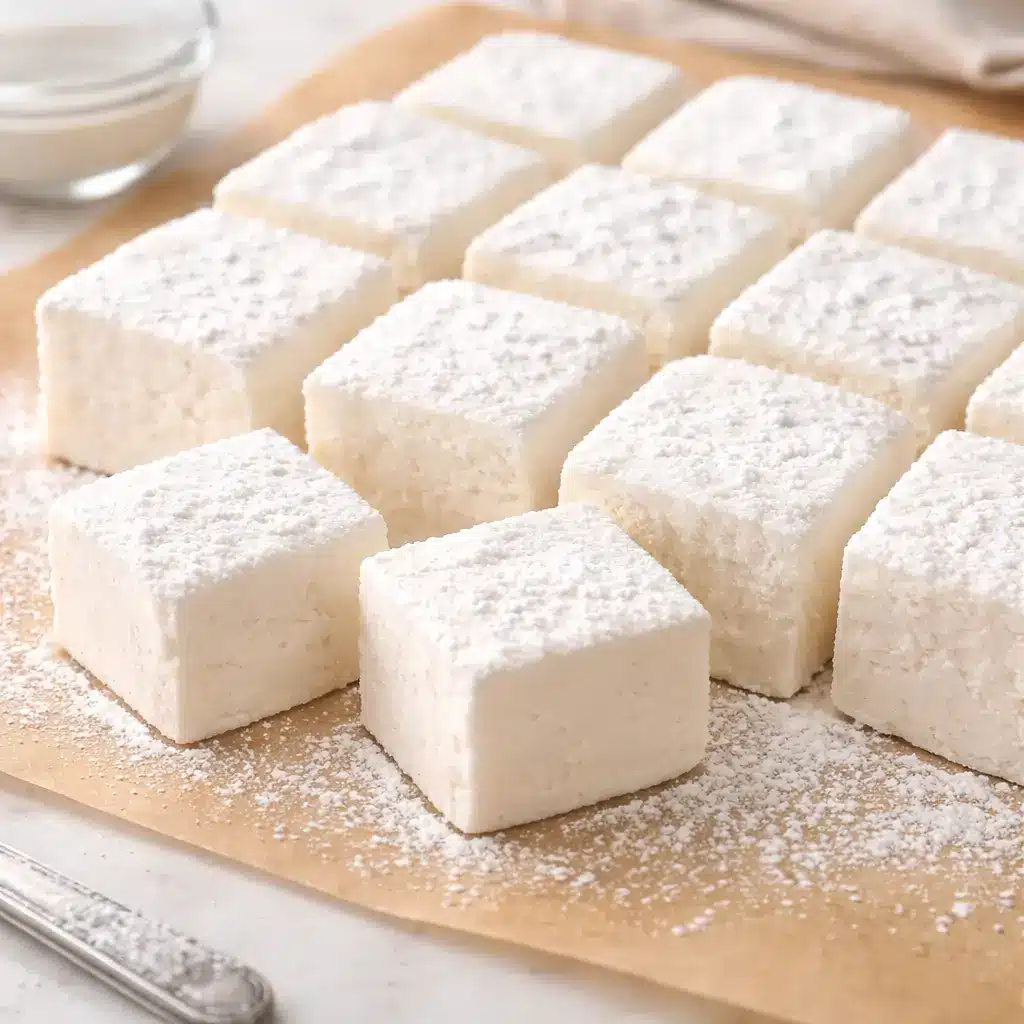
Store your finished batch from how to make collagen marshmallows in an airtight container at room temperature for up to five days. Avoid refrigeration because moisture can cause them to become sticky and slightly rubbery. If your kitchen is particularly humid, placing a small sheet of parchment between layers can help preserve their shape.
Freezing is generally not recommended when discussing how to make collagen marshmallows, since thawing can introduce condensation that affects texture. For best results, make smaller batches more frequently. Fresh marshmallows always have the best flavor and fluffiness within the first few days after preparation.
Nutritional Overview and Responsible Health Perspective
When researching how to make collagen marshmallows, many people are motivated by the idea of creating a treat with added protein compared to conventional marshmallows. While collagen does increase the protein content slightly, it is important to maintain realistic expectations about nutritional impact. These are still sweet treats and should be enjoyed in moderation.
A typical homemade batch made using honey and collagen peptides will contain more protein than traditional store bought marshmallows, but it also contains natural sugars. When evaluating how to make collagen marshmallows from a wellness standpoint, think of them as a cleaner ingredient option rather than a health food. They may contain fewer artificial additives, but they remain a dessert.
Below is a general nutritional comparison to provide perspective on how to make collagen marshmallows versus conventional varieties. Values are approximate per serving and will vary by recipe.
| Category | Traditional Marshmallows | Collagen Marshmallows |
|---|---|---|
| Protein | Less than 1 gram | 2 to 4 grams |
| Added Sugars | High | Moderate to high |
| Artificial Additives | Often present | Typically none if homemade |
When approaching how to make collagen marshmallows, remember that collagen is commonly used for skin, joint, and hair support, but scientific evidence varies in strength depending on the claim. It is best to view these marshmallows as a fun, protein enhanced alternative rather than a functional supplement replacement.
Creative Ways to Serve Collagen Marshmallows
Once you understand how to make collagen marshmallows, you can start thinking beyond simply eating them plain. Their soft texture and mild sweetness make them versatile in both cozy and celebratory settings. Because they behave much like traditional marshmallows, they can be used in many familiar recipes.
One of the most popular ways to enjoy the results of how to make collagen marshmallows is in hot beverages. Drop a square into hot cocoa or coffee and watch it slowly melt into a creamy foam. They also toast well over a stovetop flame or backyard fire, forming a golden exterior while staying soft inside.
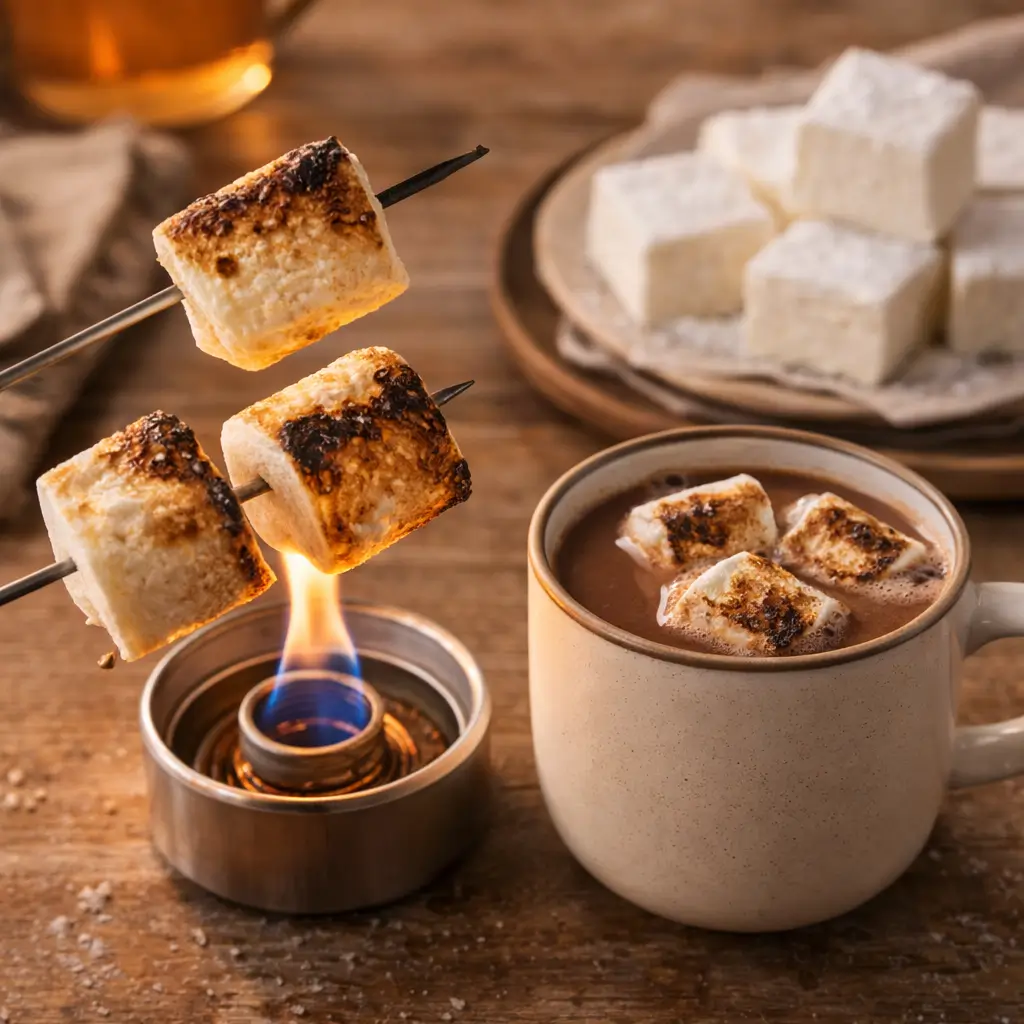
If you enjoy baking, learning how to make collagen marshmallows opens the door to homemade rice cereal treats. Simply melt a batch gently and fold into puffed rice cereal for a protein enhanced twist on a classic dessert. You can also chop them and fold into cookie dough for a gooey surprise texture.
For entertaining, how to make collagen marshmallows becomes especially useful during holidays. Cut them into shapes using cookie cutters and dust lightly with natural colored powders made from freeze dried fruit. They also pair beautifully with dark chocolate fondue or as part of a dessert charcuterie board featuring nuts, berries, and small baked goods.
These serving ideas help transform a simple homemade treat into something memorable without requiring complicated techniques.
Tools and Equipment That Make the Process Easier
If you want consistent results while learning how to make collagen marshmallows, having the right tools will make the process smoother and more predictable. While it is possible to make marshmallows with basic kitchen equipment, a few specific tools significantly improve texture and stability.
A stand mixer with a whisk attachment is highly recommended when mastering how to make collagen marshmallows. Whipping the hot syrup and gelatin mixture requires sustained high speed mixing for up to twelve minutes. A hand mixer can work, but it may take longer and require more effort. Consistent whipping ensures proper aeration and that signature fluffy structure.
A candy thermometer is another essential tool for anyone serious about how to make collagen marshmallows correctly. Precision matters when heating sweetener to the soft ball stage. Even a small temperature difference can change the final texture. Digital thermometers provide quick, accurate readings and reduce guesswork.
You will also need an 8 by 8 inch baking dish, parchment paper, measuring cups, and a heat resistant spatula. When preparing how to make collagen marshmallows efficiently, lining your pan in advance and measuring ingredients beforehand helps you move quickly once the syrup reaches temperature.
Although the ingredient list is simple, the equipment supports proper execution. Investing in a few reliable kitchen tools ensures that every batch turns out light, airy, and evenly set.
Conclusion
How to make collagen marshmallows at home is a practical way to create a fluffy, customizable treat with added protein and cleaner ingredients. By understanding the role of gelatin, monitoring syrup temperature carefully, and whipping the mixture to the right consistency, you can achieve reliable results even as a beginner. While collagen marshmallows are not a miracle food, they offer a thoughtful alternative to store bought options and allow full control over flavor and sweetness.
With the right tools, accurate measurements, and attention to detail, how to make collagen marshmallows becomes a straightforward kitchen skill you can return to again and again. Whether you enjoy them in hot cocoa, toasted, or as part of a dessert spread, these homemade marshmallows combine comfort and creativity in every soft bite.
Frequently Asked Questions About How to Make Collagen Marshmallows
1. How to make collagen marshmallows without gelatin?
How to make collagen marshmallows without gelatin is not recommended if you want a true marshmallow texture. Collagen peptides do not gel the same way gelatin does, so the mixture will not set properly. If you need a vegetarian option, you would need a different thickener such as agar agar, but the texture will be noticeably different from traditional marshmallows.
2. Can I use flavored collagen when learning how to make collagen marshmallows?
How to make collagen marshmallows with flavored collagen is possible, but unflavored collagen peptides work best. Flavored versions often contain sweeteners or additives that may alter the texture or make the marshmallows overly sweet. If you use flavored collagen, reduce additional sweetener slightly and test in small batches first.
3. Why did my batch fail when I tried how to make collagen marshmallows?
How to make collagen marshmallows successfully depends on temperature and whipping time. If the syrup did not reach at least 235 degrees Fahrenheit or the mixture was under whipped, the marshmallows may not set. Humidity and inaccurate measurements can also affect the final texture.
4. Are collagen marshmallows healthier than regular marshmallows?
How to make collagen marshmallows at home gives you control over ingredients, which may reduce artificial additives. They typically contain slightly more protein due to collagen, but they are still sweet treats. It is best to enjoy them in moderation rather than viewing them as a health supplement.
5. How long do collagen marshmallows last?
How to make collagen marshmallows that stay fresh involves storing them in an airtight container at room temperature. They usually last up to five days. Refrigeration is not ideal because added moisture can affect texture and make them sticky.
6. Can I reduce the sweetener when learning how to make collagen marshmallows?
How to make collagen marshmallows with significantly less sweetener can be challenging because sugar contributes to structure. Reducing it too much may result in marshmallows that do not whip or set properly. Small adjustments are possible, but drastic reductions often compromise texture.
7. What type of collagen works best for how to make collagen marshmallows?
How to make collagen marshmallows with the best texture requires hydrolyzed collagen peptides. These dissolve easily and blend smoothly into the whipped mixture. Avoid collagen blends that contain added fibers or gums, as they may affect consistency.
8. Can I toast collagen marshmallows like regular ones?
How to make collagen marshmallows that toast well depends on proper sugar concentration. If cooked to the correct temperature, they will brown and soften similarly to traditional marshmallows. Keep the heat moderate to avoid burning due to natural sweeteners like honey.
Follow us on Pinterest
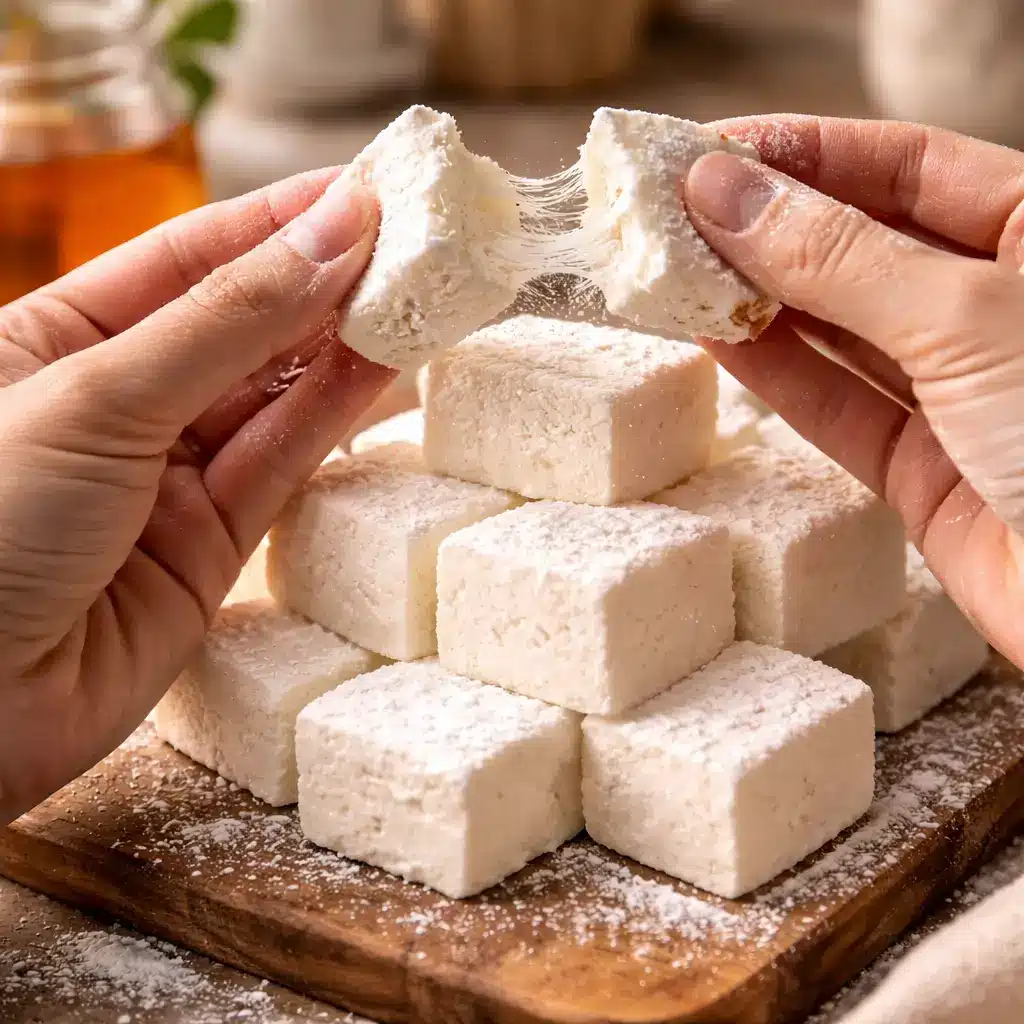
how to make collagen marshmallows fluffy & easy guide
Ingredients
Method
- Line an 8 x 8 inch baking dish with parchment paper. Lightly dust with arrowroot powder to prevent sticking.
- Pour 1/2 cup of water into the bowl of a stand mixer. Sprinkle gelatin evenly over the surface and allow it to bloom for 5 to 10 minutes.
- In a small saucepan, combine the remaining 1/2 cup of water, honey or maple syrup, and sea salt. Heat over medium heat until the mixture reaches 235 to 240 degrees Fahrenheit using a candy thermometer.
- Turn the stand mixer to low speed. Slowly and carefully pour the hot syrup into the bloomed gelatin.
- Increase speed to high and whip for 8 to 12 minutes until the mixture becomes thick, glossy, and forms soft peaks.
- Add collagen peptides and vanilla extract during the final minute of whipping. Mix until fully incorporated.
- Immediately transfer the marshmallow mixture into the prepared pan. Smooth the top quickly with a spatula.
- Allow to set at room temperature for at least 4 hours.
- Dust the top with additional arrowroot powder. Remove from pan and cut into squares using a sharp knife.
Notes
- Use a candy thermometer for accurate temperature control. Proper syrup temperature is critical for structure.
- Do not reduce the sweetener drastically, as sugar helps stabilize the marshmallow texture.
- Add collagen at the end of whipping to maintain optimal texture and protein integrity.
- Store in an airtight container at room temperature for up to 5 days.
- Avoid refrigeration, as excess moisture can cause stickiness.